Independent Play and Boredom: A Parent’s Guide to Letting Go
Introduction: The Uncomfortable Gift of Boredom
Every parent knows the scene: your child stands in the middle of the living room, arms dangling, eyes wide, and utters those five dreaded words: “Mommy, I’m so bored.” Instinctively, you reach for a solution—a new toy, a screen, a scheduled activity, or your own presence as a playmate. But what if the most loving response is to do nothing? What if boredom, far from being an enemy, is the gateway to something far more valuable: independent play?
Independent play is not merely a convenience for busy parents; it is a critical developmental milestone that cultivates creativity, problem-solving, emotional regulation, and self-reliance. Yet in an era of hyper-parenting, constant entertainment, and structured schedules, many children have lost the ability—and the desire—to play alone. This guide is designed to help parents understand the profound importance of independent play, and to offer practical, age-appropriate strategies for nurturing this skill in children from toddlerhood through the elementary years.
Why Independent Play Matters More Than You Think
Independent play is not just a way to buy yourself a cup of coffee or answer a work email. It is a foundational experience that shapes how a child learns to engage with the world on their own terms. When a child plays alone, they are forced to make decisions without external input: what to build, how to resolve a conflict between two toy animals, which story to tell. This autonomy strengthens executive function skills—planning, self-control, and cognitive flexibility—that are better predictors of academic and life success than early literacy or math drills.
Moreover, independent play is a natural antidote to the anxiety that arises from constant adult oversight. Children who are always guided, praised, or redirected learn to depend on external validation. They may struggle to trust their own ideas or to tolerate frustration. When a child builds a block tower that collapses, and no adult rushes in to “fix” it or cheer them up, they learn to try again, to modify their approach, and to accept imperfection. This resilience is forged in the quiet, unobserved moments of solitary play.
There is also a social dimension: children who are comfortable playing alone are often better equipped to join group play later, because they have a strong sense of self and do not need constant reassurance. They can enter a peer group with confidence, bringing their own ideas rather than simply following others.
How to Create a Play-Friendly Environment
Before you can expect independent play to flourish, you must set the stage. The physical environment is a silent teacher. Here are key principles for designing a space that invites solo exploration:
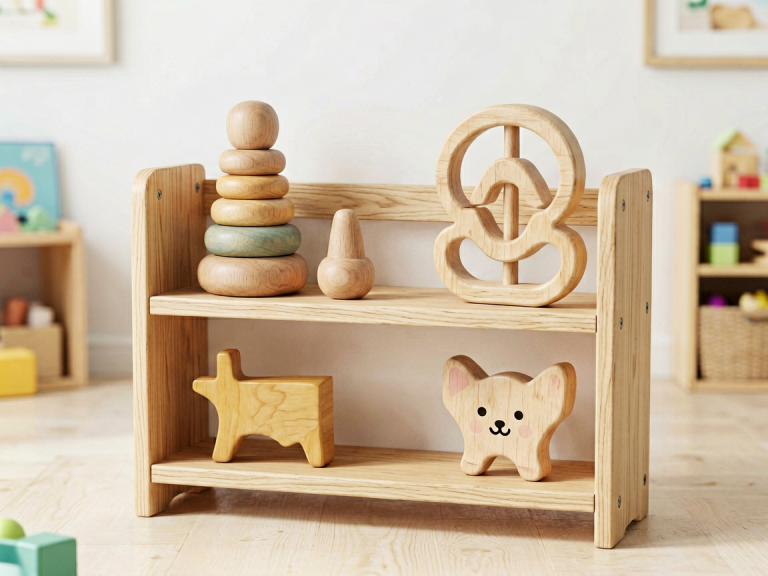
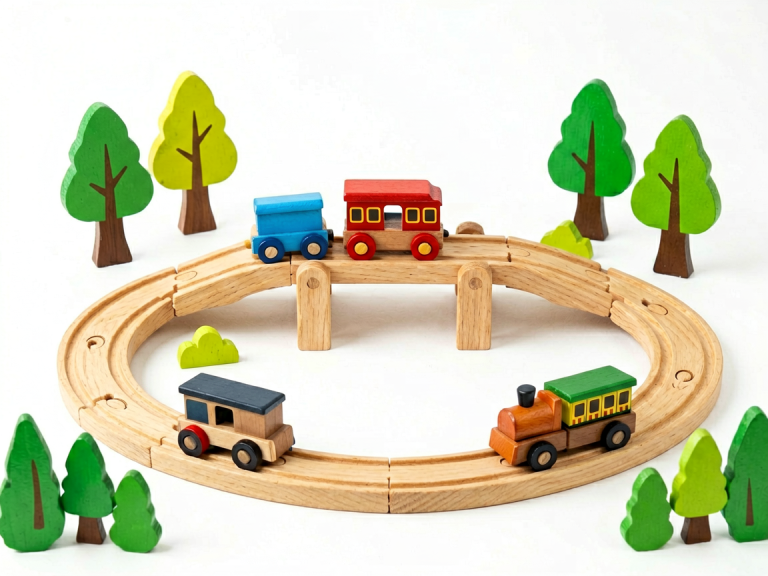
Simplify and rotate toys. A room overflowing with plastic, noise-making, single-purpose toys overwhelms a child’s attention. Instead, curate a small collection of open-ended materials: wooden blocks, art supplies, dolls, cars, fabric scraps, cardboard boxes, and nature items like pinecones and stones. Rotate these every few weeks to renew interest. A child who has only ten objects must use imagination to invent scenarios; a child who has a hundred objects is simply a consumer.
Create defined zones. A dedicated play area—even a corner of a room—signals that this is a place for autonomous activity. Include a low shelf where toys are accessible without adult help, a comfortable rug or cushions, and perhaps a small table for art. Make sure the space is safe enough that you can step away without constant supervision, especially for older toddlers and preschoolers.
Remove screens and passive entertainment. Tablets and televisions are the enemies of independent play. They offer instant gratification and passive consumption, training the brain to expect external stimulation. Reserve screens for specific times and keep them out of the play space. The goal is to create an environment where boredom is inevitable, because boredom is the seed of creativity.
Age-by-Age Strategies for Nurturing Independent Play
Infants and Young Toddlers (0–18 Months): The Foundation of Solitary Exploration
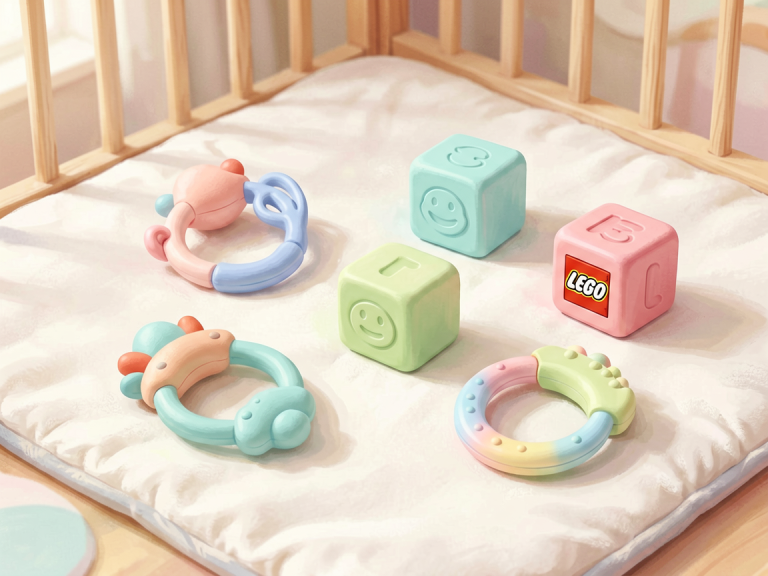
At this stage, independent play is measured in minutes, not hours. A baby who lies on a mat batting at a mobile for three minutes is already engaging in solitary discovery. Your role is to provide safe, sensory-rich objects and to resist the urge to constantly entertain. Place your baby on the floor with a few rattles, teething toys, or a crinkly book, and sit nearby reading your own book. Let them see that you are present but not directing. As they grow into toddlers, gradually increase the distance and duration. If they fuss, wait a moment before intervening; sometimes they are simply vocalizing, not distressed. A child who learns that a brief pause does not bring immediate rescue will learn to self-soothe.
Preschoolers (2–4 Years): The Magic of Story and Pretend
This is the golden age of independent play, if you allow it to blossom. Preschoolers have the language and imagination to build elaborate worlds. However, they also have short attention spans and a strong need for connection. To foster independence, introduce the concept of “special play time.” Say, “I’m going to read my book for ten minutes while you play with your animals. After that, we’ll have a snack together.” Use a visual timer so the child can see the passing time. Start with very short intervals—even three minutes—and gradually extend.
Offer “invitations to play.” Before you step away, set up a small scene: a castle made of blocks with a knight and dragon, or a tray of playdough with cookie cutters and beads. This lowers the barrier to entry; the child only needs to engage, not to invent from scratch. Resist the urge to praise excessively or to offer suggestions once play begins. If your child calls you over, you can say, “I love watching you play. You can show me what you made when the timer rings.”
Early Elementary (5–7 Years): Complex Projects and Flow States
By age five or six, many children are capable of sustained independent play for thirty minutes or more. They can engage in complex building projects (LEGO sets, marble runs, fort construction), elaborate pretend scenarios (school, store, outer space), or creative pursuits (drawing, writing stories, making up songs). At this stage, independent play often overlaps with “flow”—a state of deep absorption where time seems to vanish.
Your job is to protect this fragile state. Avoid interrupting with questions (“Are you hungry?” “What are you making?”). If you need to leave the house or transition to another activity, give a clear five-minute warning. Also, provide tools that support extended projects: a large piece of paper for map-making, a box of recycled materials for inventions, a designated “project shelf” where ongoing work can be left undisturbed.
One common challenge at this age is the child who insists on a playmate. Explain that sometimes we play with friends, and sometimes we play with ourselves. You might say, “I’m not available to play right now, but I know you have great ideas. I’d love to see what you create.” If they struggle, offer a specific challenge: “Can you build a tower that’s taller than this chair? I’ll come back in fifteen minutes to measure it.”
Older Children (8–12 Years): Hobbies, Passions, and Solitary Pursuits
Older children can engage in independent play for hours, but the nature of play changes. It may look like reading, drawing, coding, practicing an instrument, building models, or even daydreaming. The key is to honor these solitary pursuits as legitimate play, not as “work” or “wasting time.” Many parents mistakenly over-schedule this age group with extracurriculars, leaving no room for unstructured solo time.
Encourage your child to develop a “passion project”—something they work on alone over weeks or months: a comic book, a stop-motion animation, a collection of pressed flowers, a backyard insect observation log. Provide the materials and then step back. Be available as a consultant, not a manager. Ask, “What do you need from me?” rather than “Should you be doing it this way?”
Overcoming Common Obstacles to Independent Play
Even with the best environment and intentions, you will encounter resistance. Here are the most frequent challenges and how to address them.
“My child only wants to play with me.” This is often a sign that the child has not had enough practice being alone, or that they sense your anxiety about leaving them. Start with very short separations, even if you’re in the same room but engaged in your own activity. Gradually increase distance and duration. Also, examine your own behavior: do you rush in at the first sign of boredom? Do you fill every quiet moment with suggestions? Children learn from our cues. If you model comfort with solitude, they will absorb it.
“My child says they’re bored after two minutes.” Boredom is not a problem to be solved. It is a necessary discomfort. When a child complains of boredom, resist the urge to offer a solution. Instead, say, “I hear that you’re bored. That’s okay. Sometimes we need to be bored before we get a good idea.” Then stay calm. Do not turn on a screen or produce a new toy. If you hold the line, the child will eventually—sometimes after a few difficult minutes—find something to do. The first few times may be hard, but it gets easier.
“Screens are easier.” They are. But they undermine the entire goal. If you are struggling to reduce screen time, try a gradual approach: set a timer for screen use, and before the timer starts, require fifteen minutes of independent play. Or designate “power-down hours” each day when all devices are off and only analog play is available. Consistency matters more than perfection.
“My child has siblings who fight when left alone.” If siblings cannot play independently together without conflict, you may need to separate them temporarily. Schedule times when each child plays alone in a different room, or one plays while the other does a quiet activity with you. Over time, they may learn to negotiate and cooperate, but forcing them to “play nicely” often backfires.
Conclusion: The Long View of Letting Go
Independent play is not a skill that develops overnight. It is a habit, a mindset, and a gift that you give your child one small step at a time. Every time you choose not to fill a silence, every time you resist the urge to direct the play, every time you tolerate the discomfort of boredom, you are teaching your child that they are capable of entertaining themselves. You are saying, “I trust you. You have the resources inside you to create, to solve, to dream.”
In a world that constantly demands children’s attention and tells them what to do, independent play is a radical act of freedom. It allows a child to discover their own voice, to practice failure without judgment, and to experience the deep satisfaction of making something from nothing. As parents, we often measure success by what we do *for* our children. But sometimes the most loving thing we can do is to step back, close our mouths, and let them play alone.
Your child will not remember the expensive toy you bought. But they will remember the quiet afternoons when they built a city out of cardboard tubes, when they saved a stuffed animal from a blanket avalanche, when they sat on the floor and whispered a story to themselves. In those moments, they were not alone—they were fully alive. And you gave them that space.
Now, the next time your child says “I’m bored,” take a breath. Smile. And say, “How wonderful. I can’t wait to see what you come up with.” Then walk away. It will be the hardest and best thing you do all day.