The Best Toys for Social Play: Building Connection, Cooperation, and Communication Through Play
In an increasingly digital world, where children often stare at screens alone, the value of social play has never been greater. Social play is not just about having fun—it is the foundation for developing critical life <a href="https://www.playlearningguide.com/category/<a href="https://www.playlearningguide.com/category/skills/”>skills/”>skills such as empathy, negotiation, turn-taking, and conflict resolution. The right toys can act as catalysts, encouraging children to interact, collaborate, and communicate face-to-face. But not all toys are created equal. Some are designed for solitary entertainment, while others naturally pull children into shared experiences. This article explores the best toys for social play, categorizing them by how they foster different dimensions of social interaction, and offers practical guidance for parents, educators, and caregivers seeking to enrich children's social development.
Why Social Play Matters: The Developmental Framework
Before diving into specific toys, it is essential to understand why social play deserves such focused attention. According to developmental psychologists like Lev Vygotsky, children learn best through social interaction. When children play together, they engage in what Vygotsky called the "zone of proximal development"—they stretch beyond their current abilities with the support of peers. Social play teaches children to read facial expressions, interpret tone of voice, negotiate rules, and manage emotions like frustration and excitement. These are skills that no app or solo activity can fully replicate. The best toys for social play are those that require two or more participants, demand cooperation or competition in a healthy way, and create shared narratives. They are not passive objects; they are tools for connection.
Cooperative Board Games: Winning Together, Not Against Each Other
One of the most powerful categories of social play toys is cooperative board games. Unlike traditional competitive games where one person wins and the rest lose, cooperative games require all players to work as a team toward a common goal. This structure reduces the anxiety of losing and encourages communication, strategy-sharing, and mutual support. For example, *The Game of Life: Adventures* or *Forbidden Island* (a classic cooperative game) demand that players discuss moves, combine resources, and make group decisions. Younger children can enjoy games like *Hoot Owl Hoot!* or *The Sneaky Snacky Squirrel Game*, which teach turn-taking and simple collaborative problem-solving. The key feature is that every player's contribution matters, and success depends on everyone's participation. These games also naturally generate conversation—children explain their reasoning, ask for help, and celebrate collective victories. For families or classrooms, cooperative board games are arguably the most effective toys for building empathy and teamwork because they model real-life collaboration where the outcome is shared.
Building and Construction Sets: The Power of Collective Creation
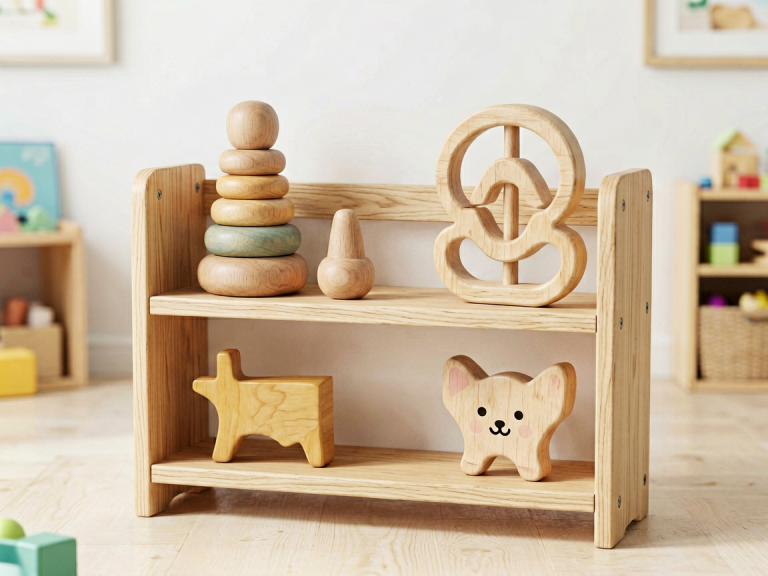
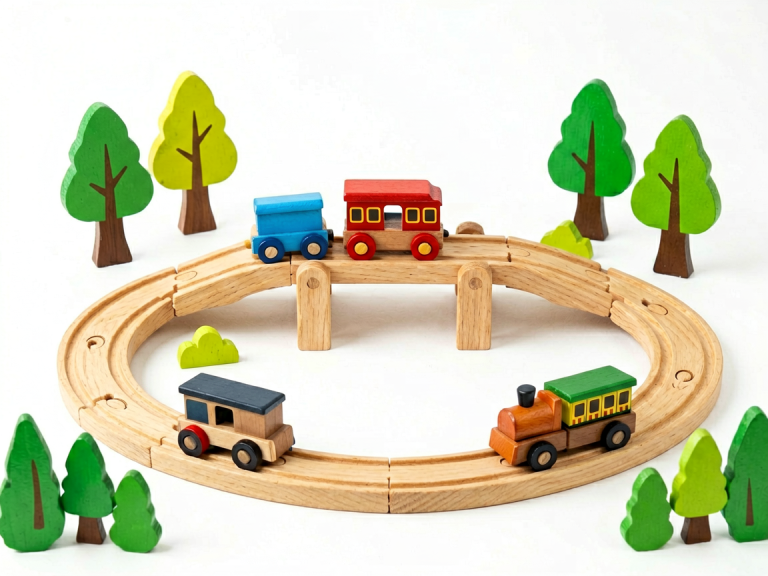
Large-scale building sets—such as wooden blocks, LEGO sets, magnetic tiles, or cardboard bricks—are outstanding for social play when used in group settings. The magic happens when multiple children build together. Unlike solitary building, group construction requires negotiation: "Where should we put the tower?" "Who gets to place the next block?" "What if we add a bridge?" These interactions force children to articulate ideas, listen to others, and compromise. More importantly, building together creates a shared sense of accomplishment. A structure built by two or three children is more than the sum of its parts—it represents their joint imagination. For older children, complex sets like the *LEGO Classic Creative Bricks* or *Magna-Tiles* provide open-ended possibilities. Educators often use these in "maker spaces" where children must design a city or a vehicle as a team. The physical act of handing a block to a peer, deciding where it fits, and adjusting plans builds fine motor skills and social intelligence simultaneously. To maximize social interaction, avoid giving each child their own pile of blocks; instead, pool the pieces so that sharing and negotiation become inevitable.
Role-Playing and Dramatic Play Sets: Entering Shared Imaginary Worlds
Perhaps no category of toy is more intrinsically social than those that support role-playing and dramatic play. Kitchen sets, doctor kits, tool benches, dress-up costumes, and puppet theaters invite children to step into characters and act out scenarios together. When two children play "restaurant" or "hospital," they must create a narrative, assign roles, and follow an implicit script. One child might be the chef, the other the customer; they negotiate what is on the menu, how much it costs, and what to do if the food is "bad." This kind of play is rich with language development and emotional regulation. Children practice perspective-taking: "What would the patient feel?" "How should the doctor respond?" The best toys in this category are open-ended and minimalistic—a simple wooden kitchen with pots and pans can inspire more creativity than an electronic toy that dictates actions. Similarly, a collection of scarves, hats, and fabric pieces allows children to invent any character they wish. For younger children, *Fisher-Price Little People* sets or *Playmobil* figures offer structured storytelling. For older children, *Melissa & Doug* role-play sets (like the pizza maker or vet kit) provide realistic props that spark elaborate social scripts. The key is that these toys have no fixed outcome; the play is co-created in the moment.
Outdoor and Active Play Equipment: Physical Cooperation and Teamwork
Physical play is a powerful social glue, and toys that encourage movement and teamwork outdoors are essential. Items like a large parachute, a tug-of-war rope, a soccer ball, a jump rope, or a set of hula hoops naturally involve multiple children working or competing together. Take the classic parachute game: a group of children holds the edges of a colorful fabric, lifting it high and low, running underneath, or placing balls on top to bounce. This requires synchronous action, verbal cues like "lift together," and constant eye contact. Similarly, a simple soccer ball can turn a playground into a lesson in passing, defending, and celebrating. Even a cooperative game like "capture the flag" or "tag with rules" builds social skills. The best outdoor toys for social play are those that lack rigid structure—a large foam ball, a set of beanbags, or a simple ring toss set. They invite children to invent their own games, negotiate rules, and resolve disputes. For structured team challenges, consider a *Labyrinth* wooden marble maze that requires two players to tilt the board together, or a *Gonge* river stone set where children must help each other cross an imaginary river. These toys blend physical coordination with social interdependence, making them ideal for developing both gross motor skills and cooperative spirit.
Communication-Focused Toys: Encouraging Dialogue and Storytelling
Some toys are specifically designed to spark conversation and storytelling, which are core components of social play. Puppets, for example, give shy children a "voice" through a character, allowing them to express feelings or ideas they might not say directly. When two children each hold a puppet, they enter a dialogue that is both playful and meaningful. Similarly, storytelling cards, such as *Rory's Story Cubes* or *Tell Tale* card sets, prompt children to build a story together by taking turns adding elements. These toys require listening, building on others' ideas, and contributing creatively. Another excellent example is a simple "telephone" made from two cups and a string; children love the physical absurdity of passing messages. For older children, conversation starter games like *TableTopics* for kids (age-appropriate cards with questions like "If you could have any superpower, what would it be?") turn any gathering into a social exercise. The beauty of communication-focused toys is that they explicitly teach turn-taking in discourse—a skill that is foundational for all relationships.
Art and Craft Kits for Group Projects: Sharing Materials and Ideas
Art supplies might seem solitary, but when used in a group setting, they become powerful social toys. A large sheet of paper for mural painting, a communal box of crayons, or a set of clay for collaborative sculpture compel children to share space, materials, and vision. Group collage projects, friendship bracelet kits, or a large floor puzzle all require children to divide tasks, request supplies, and admire each other's contributions. The social interaction here is subtle but profound: children learn to ask, "Can I use the red paint when you're done?" and to give compliments like "Your part of the picture looks amazing!" For younger children, a *Crayola* Color Wonder mess-free finger painting set placed on a shared table encourages parallel play that slowly becomes interactive. For older children, a *Klutz* craft kit (like a friendship bracelet loom) can be worked on together, with one child holding the strings while the other weaves. The cooperative aspect is not forced but emerges from the practical need to share resources and celebrate the final product together.
Age Considerations and Safety Tips
When selecting toys for social play, consider the developmental stage of the children. Toddlers (1–3 years) benefit from simple toys that encourage parallel play and imitation, such as push wagons, stacking blocks, and large plastic animals. Preschoolers (3–5 years) thrive with role-play sets, simple cooperative games, and building blocks that require negotiation. School-age children (6–12 years) can handle more complex board games, team sports equipment, and construction sets that involve planning and division of labor. Always prioritize safety: avoid small parts for children under three, ensure outdoor toys are age-appropriate in size and weight, and choose non-toxic materials. More importantly, the environment matters—set up play spaces that allow room for collaboration, with low tables and floor mats where children can sit together. The best social play happens when adults step back and let children navigate interactions themselves, intervening only to prevent harm or to model positive communication when needed.
Conclusion: The Enduring Value of Togetherness
In a culture that prizes individual achievement and screen-based entertainment, the simple act of playing with others is becoming a lost art. The best toys for social play—whether cooperative board games, building sets, role-play props, outdoor equipment, or art supplies—are not just objects; they are invitations to connect. They teach children that winning is not the only goal, that sharing ideas makes them stronger, and that the most memorable moments happen when we laugh, argue, and create alongside someone else. As parents and educators, we can intentionally choose toys that pull children away from solitary screens and into the messy, joyful, essential world of shared play. By doing so, we give them the greatest gift: the ability to build relationships that will sustain them for a lifetime. So the next time you look for a toy, ask not "Will my child enjoy this alone?" but rather "Will this bring my child closer to others?" The answer will guide you to the very best choices for social play.
Explore Social Play & Cooperation
This guide is the main starting point for this topic. Use these focused guides to explore specific ages, needs, risks, and practical choices.
- Building Blocks of Connection: The Best Toys for Social Skills Development in 3-Year-Olds
- Beyond Fun: How Toys That Build Social Skills Shape the Leaders of Tomorrow
- The Power of Play: Beginner Toys for Building Social Skills in Children
- Building Bonds: The Best Toys for Social Skills for 2-Year-Olds
- The Heart of Connection: Nurturing Social Play Activities at Home