The Essential Guide to Safe Early Learning Toys for Kids: Nurturing Development Through Play
Introduction
Every parent, caregiver, and educator wants the best for young children. In the early years—from birth to around age five—play is not just a pastime; it is the primary vehicle for cognitive, physical, social, and emotional development. The toys children interact with during this critical period shape their neural pathways, motor skills, and problem‑solving abilities. Yet with countless products flooding the market, the challenge is not simply finding toys that are educational, but finding those that are safe above all else. Safety is the non‑negotiable foundation upon which all early learning must rest. A toy that is unsafe—whether because of toxic materials, choking hazards, sharp edges, or unstable construction—cannot be educational if it puts a child at risk.
This article explores the multifaceted concept of safe early learning toys. It examines material safety, design considerations, age‑appropriateness, and how to balance fun with developmental value. By the end, readers will have a comprehensive framework for selecting toys that foster curiosity, creativity, and confidence without compromising a child’s wellbeing.
1. Material Safety: What’s Inside Matters
The first and most fundamental aspect of a safe early learning toy is the materials from which it is made. Infants and toddlers explore the world through their mouths—a behavior known as oral exploration. Any toy that ends up in a child’s mouth must be free of harmful chemicals, heavy metals, and volatile organic compounds (VOCs).
Non‑Toxic Plastics and BPA‑Free Options
Many plastic toys contain bisphenol A (BPA), phthalates, or lead, all of which are linked to developmental disorders, hormone disruption, and other health issues. Reputable manufacturers now label products as “BPA‑free” and “phthalate‑free,” but savvy shoppers should look for third‑party certifications such as the ASTM (American Society for Testing and Materials) or EN71 (European safety standard). For early learning toys, high‑impact, food‑grade silicone is an excellent alternative to hard plastic because it is soft, durable, and naturally non‑toxic.
Natural Materials and Wood
Wooden toys have enjoyed a renaissance in the early learning space. Their tactile warmth and durability make them ideal for building, stacking, and sorting. However, not all wood is created equal. Untreated wood can splinter, and paints or varnishes may contain lead or formaldehyde. Safe wooden toys are made from sustainably harvested hardwoods like beech, maple, or birch, and finished with water‑based, non‑toxic paints or natural beeswax. Parents should avoid toys with strong chemical smells, which indicate off‑gassing.
Fabric and Soft Toys
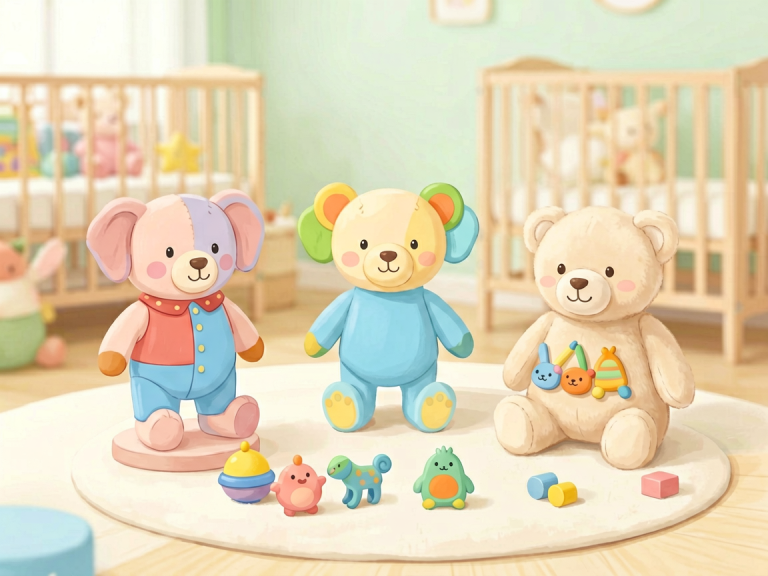
Soft toys—stuffed animals, plush blocks, and fabric books—should be machine‑washable to prevent the accumulation of dust mites and bacteria. The stuffing must be hypoallergenic and free of small plastic beads that can leak out. Labels that say “flame‑retardant‑free” are preferable, as some flame retardants have been linked to endocrine disruption. Moreover, all sewn‑on parts (eyes, noses, buttons) should be embroidered rather than glued, because glued parts can become choking hazards.
2. Design Safety: Preventing Physical Harm
Even a toy made of the purest materials can be dangerous if its design is flawed. Design safety covers everything from the size of parts to the presence of sharp edges, cords, and magnets.
Choking Hazards and Small Parts
For children under three years old, any toy should be large enough that it cannot fit entirely into a child’s mouth. The “choke tube” test (a small‑parts cylinder used by regulators) is a reliable guide: if a toy or its detachable pieces can pass through a toilet paper roll, it is unsuitable for infants and toddlers. This includes balls, beads, marbles, and even the batteries in some electronic toys. Early learning toys should be one‑piece constructions or have parts firmly attached that cannot be bitten off.
Sharp Edges and Points
Molded plastic toys often have flash—thin, sharp ridges left over from the manufacturing process. High‑quality safety toys are sanded smooth and have rounded corners. Parents should run their fingers along all surfaces before purchase. Similarly, toys with long handles or protruding elements can cause eye injuries if a child falls.
Strangulation and Entrapment Risks
Toys that include cords, ribbons, or strings longer than 12 inches pose a strangulation hazard. Pull‑toys should have short, sturdy cords, and the handle should be large enough to prevent wrapping around a neck. Electrical toys with batteries—common in early learning lights‑and‑sounds toys—must have a secure battery compartment that requires a screwdriver to open, preventing a child from accessing coin‑cell batteries, which are highly corrosive if swallowed.
Magnets and Button Batteries
High‑powered magnets found in some building sets are extremely dangerous if ingested because they can attract each other through intestinal walls, causing perforations. Early learning toys should either avoid magnets entirely or use a non‑detachable magnet system. Similarly, button batteries should be locked away; any toy that requires them should be labeled “battery‑secure.”
3. Age‑Appropriateness: Matching Toy to Development
A safe toy for a 4‑year‑old might be hazardous for a 12‑month‑old, and vice versa. Age labels are not arbitrary; they are based on research into children’s typical motor skills, cognitive understanding, and risk behaviors.
Infants (0–12 Months)
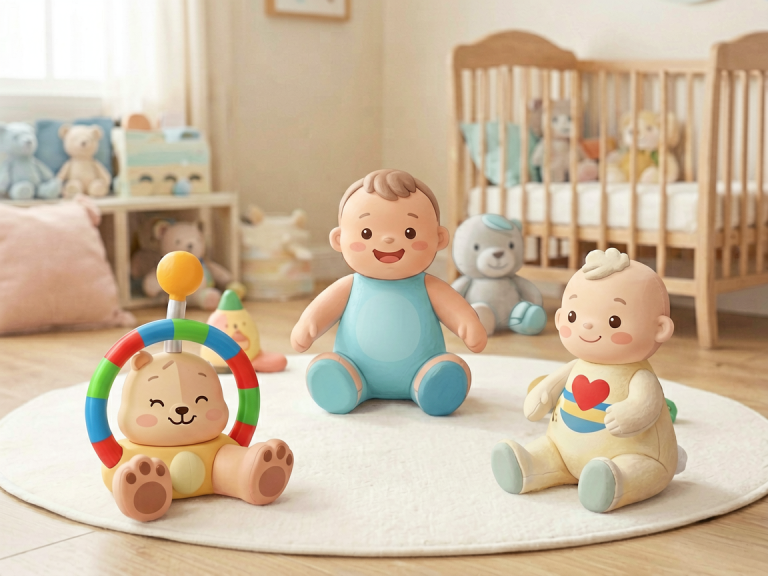
For infants, the safest toys are soft, lightweight, and easy to grasp. Rattles, teethers, and fabric books with high‑contrast patterns stimulate vision and hearing. The toys should be washable, free of loose fibers, and too large to swallow. No strings or cords. Avoid toys with electronic components that can overheat.
Toddlers (1–3 Years)
Toddlers are on the move—crawling, walking, climbing. Stacking cups, large building blocks, shape sorters, and push‑pull toys are excellent. At this age, children still mouth objects, so all parts must be large and securely attached. Avoid toys with small wheels that can be pried off. Also, be cautious of toys that make loud noises (above 85 decibels), which can damage sensitive hearing.
Preschoolers (3–5 Years)
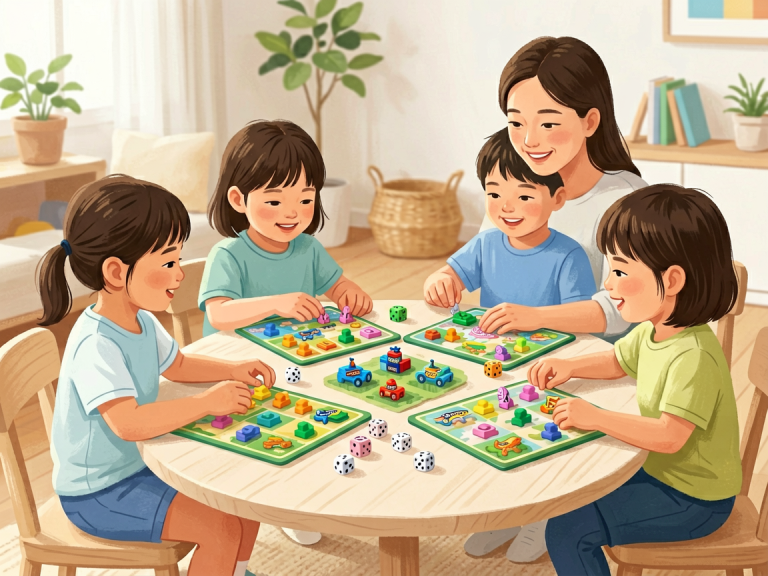
Preschoolers engage in more complex pretend play and early problem‑solving. Toys like simple puzzles, threading beads, and construction sets with larger pieces are appropriate. They can handle simple electronic learning toys that teach letters and numbers, provided those toys have volume control and no small components. At this stage, safety means also considering the toy’s stability—like a child‑size table and chair set that won’t tip over.
4. Educational Value: Beyond Safety
Once safety is ensured, the next consideration is whether the toy genuinely supports learning. The term “early learning toy” is often used loosely; a truly educational toy is one that encourages open‑ended play, creativity, and skill development aligned with a child’s developmental stage.
Open‑Ended vs. Closed‑Ended Toys
Open‑ended toys—like blocks, play dough, and art supplies—allow children to use them in countless ways, fostering flexibility and problem‑solving. Closed‑ended toys (e.g., a single‑shape puzzle) have one correct outcome and teach specific skills. A balanced collection includes both. For example, a set of wooden rainbow stacking blocks is safe, durable, and teaches color recognition, hand‑eye coordination, and spatial reasoning, all while being manually manipulated.
Sensory Stimulation and Motor Skills
Early learning toys should stimulate multiple senses. Textures, sounds, and bright colors (but not overwhelming) help wire a child’s brain. Toys that require squeezing, twisting, or pressing develop fine motor skills. A safe sensory bin filled with large, non‑toxic rice or pasta (supervised) can be a powerful learning tool.
Screen‑Free and Interactive
In an age of screens, the best early learning toys are those that require active engagement rather than passive viewing. A child pressing a button that plays a song is less engaged than a child who stacks blocks to make a tower. Safety also includes digital safety: if a toy has a screen, it should have no internet connectivity, no camera, and no microphone that could compromise privacy.
5. How to Choose Safe Early Learning Toys: A Practical Checklist
Navigating the toy aisle can be overwhelming. Here is a concise checklist that incorporates all the above principles:
- Check for certifications: Look for ASTM, EN71, CE marks, or CPSIA compliance.
- Read labels: Ensure “BPA‑free,” “phthalate‑free,” “lead‑free,” “non‑toxic.”
- Size test: Can any part fit inside a toilet paper roll? If yes, avoid for children under 3.
- Test construction: Pull, twist, and shake the toy. Does anything detach? Are seams secure?
- Check for sharp edges: Run fingers along all surfaces.
- Smell test: A strong chemical odor indicates off‑gassing.
- Battery compartment test: Ensure it requires a screwdriver to open.
- Age label: Honor the manufacturer’s recommendation—not as a suggestion, but as a safety guideline.
- Supervision: Even the safest toy requires adult supervision, especially with children under 3.
Conclusion
Safe early learning toys for kids are not merely “safe” in the sense of being free from immediate harm—they are also thoughtfully designed to support the wonderful, messy, and miraculous process of early development. They honor a child’s natural curiosity while protecting their vulnerability.
As caregivers, our greatest gift to a young child is not a flashy electronic gadget or a cabinet full of toys, but the confidence that comes from safe, meaningful play. A simple set of wooden blocks, inspected for splinters and painted with non‑toxic colors, can teach more about balance, gravity, and creativity than any screen‑based app. A soft, washable plush toy with embroidered eyes can become a child’s companion in learning empathy and language.
When we prioritize safety—materials, design, and age‑appropriateness—we create an environment in which learning flourishes. Let us choose wisely, because every child deserves to explore the world without fear, and with a toy that is as safe as it is inspiring.