The Art of Choosing Screen-Free Play: A Guide to Nurturing Imagination, Connection, and Growth
Introduction
In an age where digital devices are woven into the fabric of daily life, the concept of “screen-free play” has become both a rallying cry for parents and a challenge for children. The average child spends hours each day staring at screens—whether for learning, entertainment, or social connection. Yet the benefits of unplugged, unstructured play are immense: it fosters creativity, builds social skills, improves physical health, and strengthens emotional resilience. But how does one choose the right screen-free activities? Not all toys and games are created equal, and the best choices depend on a child’s age, temperament, interests, and environment. This article explores the key principles and practical strategies for selecting screen-free play that truly enriches a child’s life.
—
Understanding the Importance of Screen-Free Play
Before diving into selection criteria, it is essential to grasp why screen-free play matters. Research consistently shows that open-ended, imaginative play without digital elements supports cognitive development. When children build with blocks, draw, role-play, or explore nature, they engage in problem-solving, hypothesis testing, and narrative construction. Screen-based activities, by contrast, often provide pre-packaged stories and passive consumption. Moreover, screen-free play encourages physical activity—running, jumping, climbing—which combats sedentary lifestyles and obesity. It also promotes face-to-face interaction, helping children read emotions, negotiate rules, and develop empathy. Understanding these foundational benefits helps parents and educators prioritize quality over quantity when selecting play options.
—
Assess Your Child’s Developmental Stage and Individual Needs
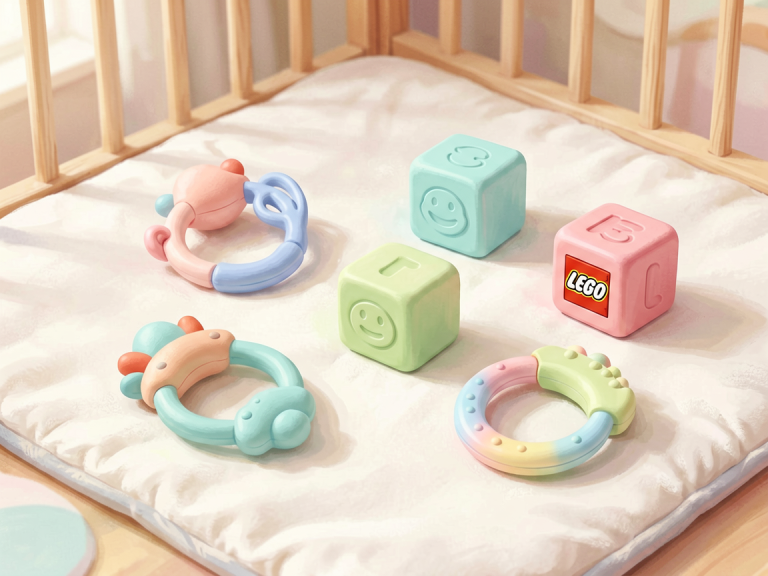
The first step in choosing screen-free play is to consider where your child is developmentally. A toddler’s needs differ radically from a preteen’s. For infants and toddlers, sensory exploration is paramount. Soft blocks, stacking rings, textured balls, and simple shape sorters stimulate tactile, visual, and auditory senses without overwhelming them. At this stage, avoid toys with small parts that pose choking hazards.
For preschoolers (ages 3–5), imaginative and symbolic play takes center stage. Dress-up costumes, play kitchens, magnetic tiles, and dolls allow children to mimic adult roles and process their experiences. Fine motor skills develop through puzzles, beads, and crayons. Choose items that are durable and washable, as young children often put things in their mouths or test their strength.
School-aged children (ages 6–12) benefit from more complex challenges. Board games that require strategy (e.g., chess, Settlers of Catan), construction sets (LEGO, K’NEX), science kits, and art supplies encourage logic, patience, and creativity. At this age, consider your child’s temperament: a highly active child might thrive with a scooter, jump rope, or obstacle course equipment, while a quiet, introspective child may prefer a sketchbook, a model-building kit, or a nature journal.
Teenagers need autonomy and opportunities for deeper engagement. Screen-free options include musical instruments, advanced craft projects (knitting, woodworking), sports gear, and collaborative games like Dungeons & Dragons. Even simple items like a deck of cards or a frisbee can spark spontaneous fun. The key is to choose activities that feel relevant and challenging, not childish.
—
Match Play to Your Child’s Interests and Passions
No matter how educational a toy appears, it will collect dust if it fails to capture your child’s curiosity. Observe what naturally draws your child’s attention. Does she love animals? A bug-catching kit, a pet-care game, or a set of animal figurines for imaginative play could be ideal. Is he fascinated by how things work? Snap circuits, marble runs, or a simple tool set for disassembling old electronics (under supervision) can feed that curiosity.
Rotating toys can also reignite interest. Many parents make the mistake of offering too many choices at once. Instead, keep a small selection of open-ended toys accessible and store others away. Every few weeks, swap them. This “toy library” approach maintains novelty without clutter. For example, one week might feature building blocks and a play mat, the next week watercolors and a nature scavenger hunt list.
—
Consider the Play Environment: Indoors vs. Outdoors
The setting profoundly influences play choices. Indoor play often requires items that are safe for floors, walls, and furniture. Consider noise level too: a drum set might be better reserved for a playroom, while quiet puzzles work in a living area. Storage is another factor. Choose toys that can be easily tidied into bins or shelves to avoid clutter stress.
Outdoor play, on the other hand, invites mess and movement. Balls, bubbles, sidewalk chalk, gardening tools, sand and water tables, and bikes encourage gross motor skills and connection with nature. If you have a backyard, invest in a simple climber, swing, or trampoline (with safety nets). Even in small urban spaces, window boxes or balcony pots can support plant-growing experiments.
Also think about portability. If you travel frequently or visit parks, pack lightweight, versatile items: a frisbee, a ball, a skipping rope, or a travel-sized magnetic board. These keep children engaged in waiting rooms, on planes, or at picnics without relying on a tablet.
—
Balance Structured Play and Free, Unstructured Time
Structured screen-free play—such as board games with rules, organized sports, or craft projects with instructions—teaches patience, turn-taking, and following directions. However, unstructured play is equally vital. This is the time when children invent their own games, build forts from blankets, or simply daydream. When selecting toys, prioritize those that allow multiple uses and open-ended outcomes. A set of plain building blocks can become a castle, a spaceship, or a math lesson, while a pre-designed Lego kit often leads to one intended model and then fades.
Similarly, avoid over-scheduling. The best screen-free play often emerges from boredom. Resist the urge to fill every moment with planned activities. Leave gaps in the daily routine where children can choose what to do—and resist the temptation to offer a screen as a default filler. Instead, provide a few well-chosen tools (paper, tape, scissors, a costume box) and let their imaginations take over.
—
Incorporate Social and Solitary Play
Children need both interaction and time alone. For social play, choose cooperative board games (e.g., Pandemic, Forbidden Island) rather than competitive ones that might frustrate a sensitive child. Card games, charades, and simple group puzzles build communication and teamwork. If you have a shy child, two-player games like checkers or a simple memory match can ease social anxiety.
Solitary play is equally important for self-regulation and independence. Puzzles, coloring books, model building, and quiet reading (or audiobooks) allow children to focus deeply without external pressure. Respect your child’s need for alone time; don’t force group play. The goal is to provide a diversity of options so that children can self-select based on their mood and energy level.
—
Evaluate Safety, Durability, and Long-Term Value
Screen-free toys should be safe, especially for younger children. Check for non-toxic materials (BPA-free plastic, lead-free paint), rounded edges, and sturdy construction that won’t break into sharp pieces. Avoid toys with small magnets or button batteries, which are dangerous if swallowed. Follow age recommendations on packaging, but also use your judgment: a labeled “3+” toy might still have components that are too small for your particular child.
Durability matters because cheap toys break quickly, leading to frustration and waste. Invest in a few high-quality items rather than a pile of plastic junk. Wooden blocks, metal vehicles, and fabric dolls often last years and can be passed down. Also consider long-term value: a toy that grows with the child—like a dollhouse that can be rearranged in different ways, or a set of art supplies that expands as skills develop—offers better return on investment than a single-use gadget.
—
Avoid the Trap of “Educational” Marketing
One of the biggest pitfalls in choosing screen-free play is being swayed by marketing that calls a toy “educational.” While many toys do teach skills, the best learning happens when children are deeply engaged and having fun. A cardboard box can teach physics, creativity, and spatial reasoning far more effectively than an expensive “STEM” kit with a single correct use. Similarly, classic toys like marbles, yo-yos, and jump ropes teach physics and perseverance without glowing screens or batteries.
When evaluating a toy, ask: Will my child use this in more than one way? Does it require active problem-solving rather than passive following? Can it be used with siblings or friends? Does it encourage physical movement or imaginative storytelling? If the answer is mostly “yes,” it’s likely a good choice—even if it doesn’t have a brand name or flashy packaging.
—
The Role of Parents and Caregivers
Finally, the most critical factor in screen-free play is the presence of a caring adult—not to direct the play, but to model enthusiasm and join in occasionally. Put away your own phone. Sit on the floor and build with blocks. Ask open-ended questions: “What if the castle had a secret tunnel?” or “How could we make this boat float higher?” Your involvement shows that play is valued, not just a way to keep kids busy.
Equally important is giving children ownership. Let them choose which activity to pursue, even if it seems silly to you. The goal is not to create a perfectly curated playroom but to cultivate a culture of exploration, creativity, and connection.
—
Conclusion
Choosing screen-free play is not about eliminating technology entirely—it is about intentionally creating space for the kinds of experiences that screens cannot provide. By considering developmental stages, personal interests, environment, safety, and the balance between structure and freedom, parents and educators can build a rich landscape of activities that nurture the whole child. Remember that the best play often comes from the simplest materials: a stick, a box, a handful of stones. The art of choosing lies not in buying more, but in observing carefully, trusting your child’s instincts, and letting the magic of unplugged imagination unfold.
[Word count: approximately 1,150 words]