The Power of Unplugged Play: Why Screen-Free Time Matters for Preschoolers
In an era where children as young as toddlers are handed tablets to watch cartoons or play simple games, the concept of screen-free play has become both a radical and essential parenting practice. For preschoolers—children aged three to five—the world is still a vast, unexplored territory of textures, sounds, smells, and movements. Their brains are developing at an astonishing rate, forming neural connections that lay the foundation for learning, emotional regulation, social skills, and creativity. Yet the growing prevalence of digital screens threatens to replace these foundational experiences with passive consumption. This article examines why screen-free play is not just beneficial but necessary for preschoolers, offers practical strategies for parents and educators, and reveals the profound impact that unplugged time can have on a child’s holistic development.
<h2>The Neuroscience Behind Unplugged Play</h2>
The first five years of life are a critical window for brain development. During this period, children’s brains are highly plastic, meaning they are shaped by every interaction, sensory experience, and social exchange. Screen-based activities, especially those that are fast-paced and highly stimulating, tend to engage only a narrow set of neural pathways—primarily visual and auditory processing—while neglecting the rich, multi-sensory input that physical play provides. For example, when a preschooler builds a tower of wooden blocks, their brain is simultaneously processing spatial relationships, hand-eye coordination, cause and effect (why does it fall?), problem-solving (how can I make it taller?), and even social negotiation if building with a friend. Screens, by contrast, offer a two-dimensional, pre-packaged reality that requires little to no active cognitive engagement.
Research from the American Academy of Pediatrics consistently warns against excessive screen time for young children, citing delays in language development, reduced attention span, and poorer executive function skills. Screen-free play, on the other hand, encourages the brain to create its own mental images, adapt to changing circumstances, and practice self-regulation. When a child pretends to be a chef in a cardboard kitchen, they are not just playing—they are rehearsing narrative thinking, empathy, and memory. The absence of a screen forces the child to become the director, actor, and stage manager of their own world, which is precisely the kind of active learning that builds a strong cognitive foundation.
<h2>Physical Benefits: Gross and Fine Motor Development</h2>
Preschoolers are naturally driven to move. Their bodies are growing rapidly, and they need ample opportunities to run, jump, climb, balance, and manipulate objects. Screen time, by its very nature, keeps children sedentary. Even “educational” apps that require tapping or swiping involve only small, repetitive hand movements that do little to develop the complex motor skills needed for tasks like writing, buttoning a shirt, or catching a ball.
Screen-free play, in contrast, offers a full-body workout. Climbing a jungle gym strengthens core muscles and improves balance. Digging in sand or mud refines fine motor control as tiny fingers learn to scoop, mold, and release. Drawing with crayons and scissors improves hand strength and dexterity. Simple activities like tossing a beanbag, riding a tricycle, or playing with playdough all contribute to the development of bilateral coordination (using both sides of the body together) and vestibular sense (the sense of balance and spatial orientation). These skills are not just physical; they are directly linked to academic readiness. A child who can skip, hop, and throw a ball with confidence is also a child who is more likely to sit still in a classroom, hold a pencil correctly, and navigate the spatial demands of reading and math.
Moreover, active outdoor play—a cornerstone of screen-free life—exposes children to natural light and fresh air, which regulate sleep patterns, boost vitamin D production, and improve mood. The simple act of running across grass, feeling the wind, and hearing birds sing provides sensory integration that no app can replicate.
<h2>Social and Emotional Growth Through Face-to-Face Interaction</h2>
Perhaps the most profound benefit of screen-free play for preschoolers is its role in social and emotional development. Digital screens, even when used for video calls with grandparents, lack the nuanced cues of real-life interaction: eye contact, body language, tone of voice, and the subtle rhythms of turn-taking. Preschoolers are at a stage where they are learning to navigate friendships, share resources, resolve conflicts, and express their feelings. These lessons require practice in real time, with real people.
When children engage in unstructured, screen-free play together, they learn to negotiate. “I’ll be the dragon, and you be the knight!” “No, I want to be the dragon first.” Such exchanges teach compromise, empathy, and perspective-taking. A child who accidentally knocks over another’s block tower must decide whether to apologize, help rebuild, or become frustrated. These are the small, everyday moments that shape emotional intelligence. Without a screen to retreat to, children are forced to confront and manage these interpersonal challenges, building resilience and social competence.
Screen-free play also fosters independence and self-confidence. When a child is absorbed in a self-directed activity—completing a puzzle, dressing up a doll, or organizing toy cars—they experience the joy of mastery. They learn to set their own goals, persist through frustration, and feel pride in their accomplishments. This internal sense of motivation is far more valuable than the external rewards of a game’s “level up” sound effect. Over time, children who regularly engage in screen-free play develop stronger self-regulation skills, including the ability to delay gratification and manage boredom—two abilities that are increasingly rare in the digital age.
<h2>Creative and Imaginative Unleashing</h2>
Screens often present a finished product: a story, a song, a picture. The child is a consumer, not a creator. Screen-free play, on the other hand, demands that children become creators. A cardboard box transforms into a spaceship, a castle, or a time machine. A stick becomes a magic wand, a sword, or a fishing rod. This type of symbolic play—where one object stands for another—is the very foundation of abstract thinking and creativity.
When preschoolers engage in imaginative play, they are constructing their own narratives, experimenting with roles, and exploring different scenarios. A child who pretends to be a doctor learns to use a stethoscope (a toy) and speaks in a caring voice, internalizing empathy. Another child who pretends to be a bus driver practices sequencing, counting, and responsibility. These experiences are not merely entertaining; they are the building blocks of cognitive flexibility and problem-solving.
Furthermore, open-ended materials like blocks, clay, sand, water, and fabric scraps invite endless possibilities. There is no “right way” to use them, which encourages divergent thinking—the ability to generate multiple solutions to a problem. A screen-based activity typically has a single correct answer or a predetermined path. Screen-free play celebrates trial and error, improvisation, and the joy of discovery. A child who builds a wobbly tower and sees it fall learns far more about physics, patience, and resilience than one who watches a cartoon about a building.
<h2>Practical Strategies for Encouraging Screen-Free Play</h2>
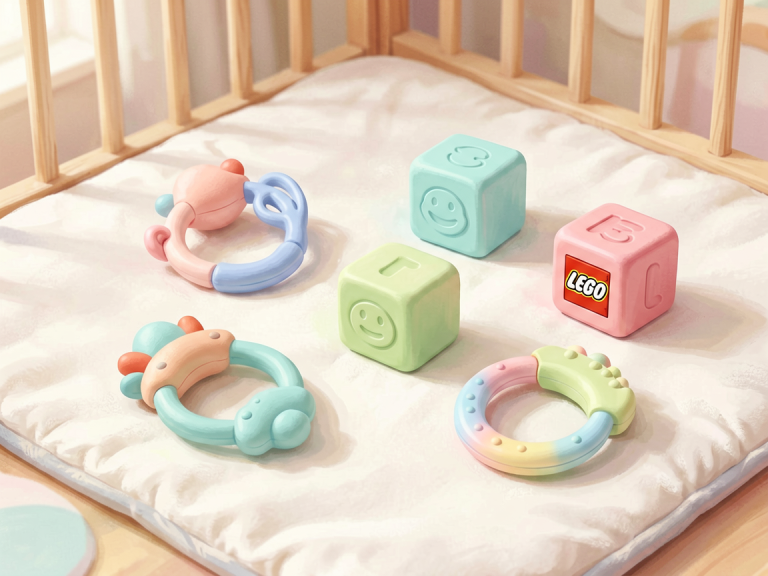
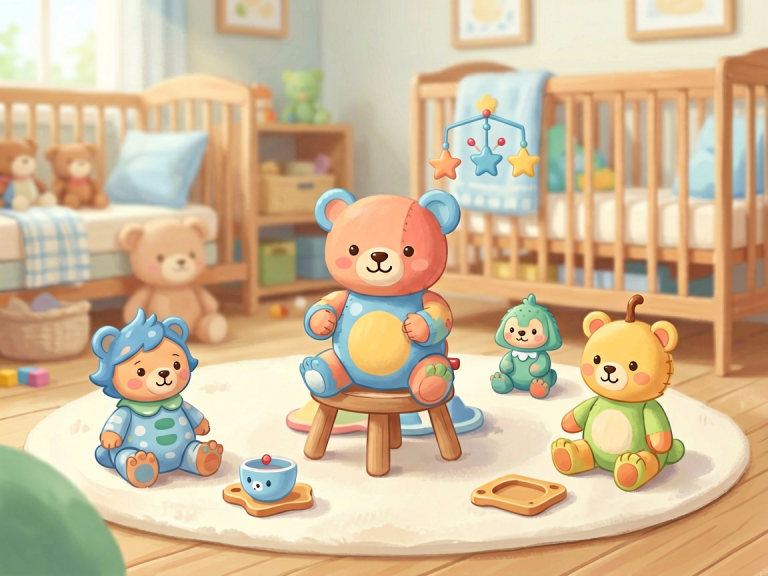
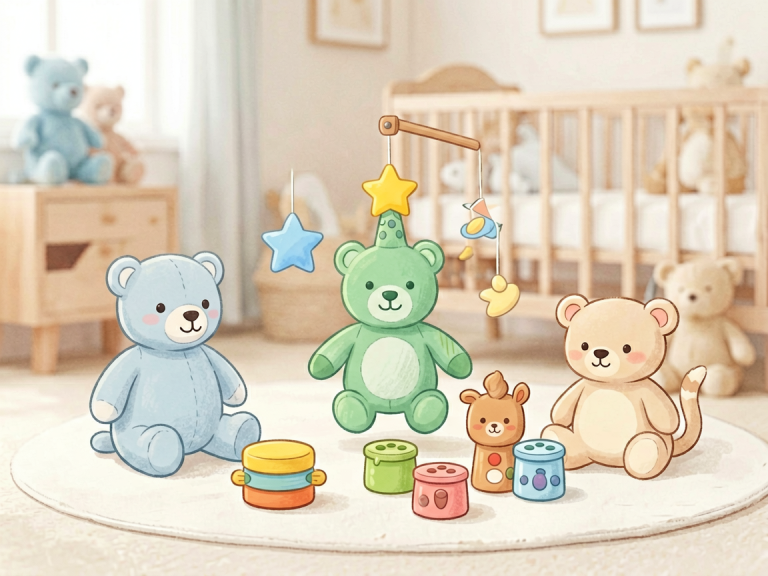
Transitioning a preschooler away from screens can feel challenging, especially if they are already accustomed to digital entertainment. However, with thoughtful planning and a shift in mindset, it is entirely achievable. First, create an environment that invites exploration. Stock your home with simple, open-ended toys: wooden blocks, building bricks, dolls, animal figures, art supplies, dress-up clothes, and puzzles. Rotate these toys regularly to maintain novelty. Second, prioritize outdoor time. Even a small backyard or a local park can provide endless opportunities for digging, climbing, observing insects, and playing in puddles.
Third, model the behavior you wish to see. Children are natural mimics; if they see parents reading, gardening, cooking, or engaging in hands-on hobbies, they will be more likely to do the same. Fourth, establish clear screen-time boundaries. The American Academy of Pediatrics recommends no more than one hour of high-quality screen time per day for children aged 2 to 5, with an emphasis on co-viewing and discussing content. But even better is to replace screens altogether during certain hours—for example, no screens before breakfast or after dinner.
Fifth, embrace boredom. Resist the urge to fill every moment with structured activities or digital babysitters. Boredom is the mother of creativity. When a child says, “I’m bored,” resist offering a screen. Instead, say, “What can you find to do?” and let them discover their own resources. Finally, involve other families and caregivers. Organize playdates, join a parent-child nature group, or simply encourage neighbors to let their children play together outside. The more screen-free play is normalized in a child’s community, the easier it becomes.
<h2>Conclusion: Investing in the Real World</h2>
Screen-free play is not about technology-phobia or rejecting modernity. It is about recognizing that the most profound learning and development happen through real, hands-on, human experiences. Preschoolers need to touch, taste, smell, climb, fall, negotiate, laugh, and cry in the company of caring adults and peers. They need time to be bored, to imagine, and to create. By deliberately choosing to reduce screen time and champion unplugged play, we give our children the greatest gift: the chance to grow into curious, capable, and emotionally intelligent human beings who are fully present in the world around them. In a culture that constantly demands attention for digital devices, let us teach our youngest generation that the most valuable adventures are not found inside a screen, but in the messy, glorious, and irreversible beauty of real life.