Creative and Engaging Indoor Play Activities for Preschoolers
Introduction
Preschoolers are bundles of energy, curiosity, and creativity. For parents, caregivers, and educators, finding meaningful indoor play activities for preschoolers is essential—especially on rainy days, during extreme weather, or in the colder months when outdoor play is limited. Indoor play does not mean passive screen time; it offers rich opportunities for physical movement, cognitive development, social skills, and sensory exploration. The key is to design activities that are safe, age-appropriate, and stimulating. This article explores a variety of indoor play ideas organized by type, explaining their benefits and offering practical tips for implementation. By incorporating these activities into daily routines, adults can support preschoolers’ growth while having fun together.
1. Sensory Play: Exploring Textures, Sounds, and Smells
Sensory play is foundational for preschoolers because it engages multiple senses and helps them understand the world around them. Simple materials like rice, beans, water, sand, or playdough can provide hours of exploration.
DIY Sensory Bins
Fill a shallow plastic bin with uncooked rice, dried lentils, or kinetic sand. Add scoops, cups, small plastic animals, or letter magnets. Preschoolers love digging, pouring, and hiding objects. This activity improves fine motor skills, hand-eye coordination, and concentration. For a themed bin, use blue water beads for an ocean adventure or green rice with toy dinosaurs for a prehistoric world.
Playdough Stations
Homemade playdough is safe, non-toxic, and easy to make. Provide rolling pins, cookie cutters, plastic knives, and googly eyes. Children can press, roll, and shape the dough, which strengthens their hand muscles for writing later. Add a few drops of peppermint or lavender essential oil for a calming sensory experience.
Sound Exploration
Fill small containers (e.g., film canisters or plastic eggs) with rice, beans, bells, or coins. Seal them tightly and let preschoolers shake, rattle, and guess what’s inside. This game develops auditory discrimination and vocabulary as they describe the sounds (“loud,” “soft,” “rattling”).
2. Creative Arts and Crafts: Unleashing Imagination
Art activities are not just about the final product—they are about the process. Preschoolers express feelings, practice decision-making, and develop fine motor control through drawing, painting, and collage.
Open-Ended Painting
Set up a painting station with washable tempera paints, large paper, and brushes or sponges. Avoid coloring books with outlines; instead, let children paint freely on blank sheets. Finger painting is especially fun and tactile. To add variety, paint on cardboard, bubble wrap, or leaves collected from a walk.
Collage and Mixed Media
Provide old magazines, fabric scraps, buttons, glue sticks, and safety scissors. Let preschoolers cut (or tear) shapes and arrange them into a picture. This activity promotes hand strength, spatial awareness, and creativity. A themed collage, such as “my favorite animals” or “a rainy day,” can spark conversation.
Homemade Play Props
Encourage children to create their own toys. For example, they can decorate paper plates to make masks, or use cardboard tubes to build telescopes or marble runs. These projects boost problem-solving and give children ownership of their play.
3. Active Movement: Burning Energy Indoors
Despite limited space, preschoolers need physical activity to develop gross motor skills and release pent-up energy. Indoor movement games can be tailored to small apartments or large playrooms.
Obstacle Course
Use pillows, chairs, blankets, and tape to create a simple obstacle course. Children can crawl under tables, jump over cushions, walk along a line of masking tape, and toss beanbags into a laundry basket. Change the course weekly to keep it challenging. This activity improves balance, coordination, and sequencing skills.
Dance and Freeze
Play upbeat music and let children dance wildly. Pause the music randomly—when it stops, everyone must freeze like a statue. This game teaches body control and listening skills. Add variations: “Freeze like a robot” or “Freeze like a sleeping cat.”
Animal Walks
Call out different animals and have children move like them: hop like a frog, crawl like a bear, slither like a snake, or stomp like an elephant. Not only is this hilarious, but it also strengthens different muscle groups and encourages creativity.
Balloon Volleyball
Blow up a balloon and gently hit it back and forth. The slow speed makes it safe for indoor play. You can also use a paper plate as a paddle. This activity improves hand-eye coordination and teamwork if played with a partner.
4. Imaginative and Role-Play: Building Social Skills
Preschoolers love pretending to be doctors, parents, firefighters, or shopkeepers. Role-play helps them understand the adult world, process experiences, and practice communication.
Dress-Up Corner
Keep a box of old clothes, hats, scarves, and accessories. Add props like a toy doctor kit, a cash register, fake food, or a play phone. Children can create elaborate scenarios, from running a restaurant to rescuing stuffed animals. This type of play fosters empathy, negotiation, and language development.
Puppet Shows
Make simple puppets from socks, paper bags, or popsicle sticks. Children can perform a story they invented or retell a favorite fairy tale. Use a cardboard box as a puppet theater. This activity builds narrative skills, confidence, and emotional expression.
Miniature World Play
Set up a small world on a tray or in a shoebox—a farm with plastic animals, a garage with toy cars, or a dollhouse with furniture. Preschoolers will create stories and solve problems (e.g., “The cow needs to go to the barn”). This quiet play encourages focus and symbolic thinking.
5. Building and Construction: STEM Skills Through Play
Construction play is a fantastic way to introduce early math and engineering concepts. Blocks, LEGO Duplo, magnetic tiles, and even household items can be used.
Block Towers and Structures
Provide wooden blocks of various sizes and shapes. Challenge children to build the tallest tower, a bridge, or a castle. Ask questions like “How can we make it more stable?” or “What happens if we add too many blocks?” This teaches cause and effect, balance, and planning.
Magnetic Tile Creations
Magnetic tiles are easy to connect and disassemble. Preschoolers can build 3D houses, rockets, or geometric patterns. These toys develop spatial awareness and problem-solving.
Cardboard Box Engineering
Large cardboard boxes are treasure troves. Children can turn a box into a car, a spaceship, a cave, or a robot costume. With tape and markers, the possibilities are endless. This open-ended play encourages creativity and persistence.
6. Quiet and Calming Activities: Mindfulness and Focus
Not all indoor play needs to be high-energy. Preschoolers also benefit from quiet activities that promote concentration and self-regulation.
Puzzles and Matching Games
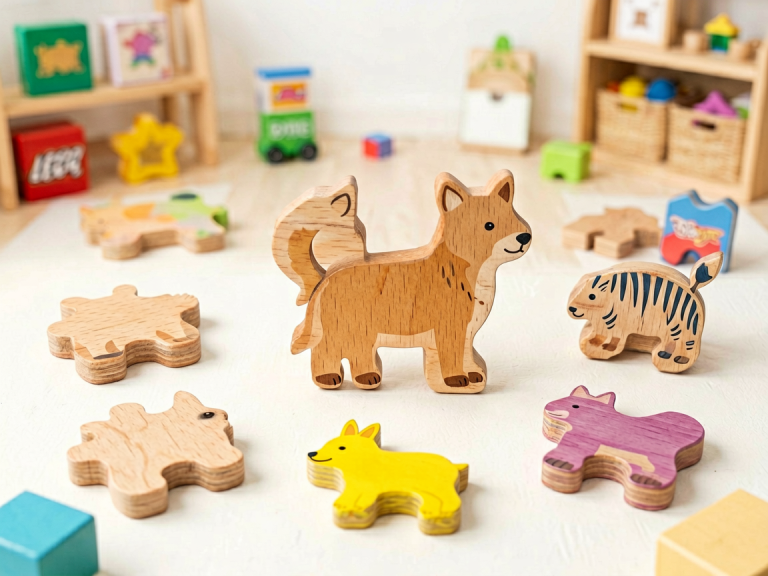
Choose age-appropriate puzzles (8–12 pieces for younger preschoolers, up to 24 for older ones). Matching games with cards or memory boards sharpen visual discrimination and memory. Work together or let children solve independently.
Sorting and Classifying
Gather a collection of buttons, beads, shells, or toy cars. Have children sort them by color, size, or shape. Use an ice cube tray or muffin tin for compartments. This activity builds classification skills and patience.
Reading Nook with Storytelling
Create a cozy corner with pillows and a few picture books. Encourage children to “read” the pictures or retell a story they know. You can also tell stories using a felt board or puppets. Regular reading time develops vocabulary, comprehension, and a love for books.
Simple Yoga for Kids
Introduce basic yoga poses with fun names: downward dog, tree, cat-cow, or happy baby. Follow a children’s yoga video or make up your own sequence. Yoga improves body awareness, flexibility, and relaxation. End with a minute of quiet breathing.
Conclusion
Indoor play activities for preschoolers are far more than a way to pass the time—they are vital building blocks for physical, cognitive, social, and emotional development. By offering a variety of sensory, creative, active, imaginative, constructive, and calming experiences, adults can help children thrive in any environment. The best indoor play is flexible, child-led, and joyful. It does not require expensive toys; often, the simplest materials—a cardboard box, a pile of blankets, a bowl of rice—spark the most imaginative play. Remember to follow the child’s interests, allow for mess, and most importantly, join in the fun. Play is the work of childhood, and indoor play opens a world of discovery right inside your home.