The Active Learner: A Parent’s Guide to Supporting Learning at Home for 8-Year-Old Boys
—
Introduction: Understanding the 8-Year-Old Boy
At eight, boys are a whirlwind of curiosity, energy, and emerging independence. They can read longer sentences, solve simple math problems, and ask questions that make you pause. Yet they also crave movement, struggle with sustained focus, and often prefer building a Lego fortress to finishing a worksheet. The key to supporting learning at home for an 8-year-old boy is not to fight his nature but to work with it. This guide offers practical, evidence-based strategies to turn your home into a space where learning feels like an adventure, not a chore. By understanding what makes this age unique—the desire for autonomy, the need for physical activity, and the love of hands-on exploration—you can create a positive, productive home learning environment that builds both skills and confidence.
—
1. Create a Structured but Flexible Routine
Why Routine Matters for Boys
Eight-year-old boys thrive on predictability. A clear daily rhythm reduces resistance because they know what to expect. However, rigid schedules often backfire: boys’ attention spans are short, and they need breaks to move. Aim for a “flexible structure” rather than a minute-by-minute timetable.
Practical Tips:
- Visual schedules: Use a whiteboard or a simple chart with pictures (e.g., a book for reading time, a soccer ball for break). Let your son help design it—ownership increases buy-in.
- Block learning in short bursts: 15–20 minutes of focused work, then 5–10 minutes of physical activity. Research shows that boys’ brains benefit from frequent movement to re-energize.
- Prioritize the “first things first” rule: Tackle the most challenging task (often math or writing) right after breakfast when energy is highest. Save easier or more enjoyable activities (like reading a comic book or drawing) for later.
- Be consistent but adaptable: If your son is deeply engaged in a science experiment, let it run longer. If he’s frustrated, switch to a different activity. The routine is a guide, not a prison.
—
2. Build a Learning-Friendly Physical Environment
The Power of Space
A cluttered, noisy room can overwhelm an 8-year-old boy’s senses. He may fidget, stare out the window, or “forget” his pencil. Designing a dedicated learning zone—even if it’s just a corner of the kitchen table—sends a signal that learning is important.
Key Elements:
- Minimize distractions: Remove phones, tablets (unless for learning), and toys from the immediate workspace. Use a simple desk or table with only the materials needed.
- Incorporate movement-friendly tools: An exercise ball to sit on, a standing desk option, or a wiggle cushion can help boys channel extra energy. Some boys focus better while standing or gently rocking.
- Provide “fidget helpers”: Stress balls, a small squishy toy, or a piece of Velcro under the desk can keep restless hands occupied without disrupting concentration.
- Make materials accessible: Store books, pencils, paper, and manipulatives (e.g., counters for math) within easy reach. When a boy has to search for supplies, he loses momentum.
—
3. Tap Into His Natural Interests
Learning Through Passions
An 8-year-old boy who loves dinosaurs, trains, or video games can learn almost any subject if you connect it to his interests. This isn’t about “sneaking” in learning; it’s about showing him that knowledge is relevant to the things he already cares about.
Real-World Examples:
- Reading: If he’s obsessed with Minecraft, find Minecraft-themed chapter books or non-fiction guides. If he loves sports, read biographies of athletes or rulebooks of his favorite game.
- Writing: Let him write a comic strip about a superhero he invents, or create instructions for building a Lego set. He can compose a short report on his favorite truck model or a list of facts about planets.
- Math: Use football stats to practice addition and subtraction, or measure ingredients while baking to teach fractions. Counting Pokémon cards or calculating Minecraft block distances works too.
- Science: Conduct simple experiments like making slime, building a volcano with baking soda, or observing bugs in the backyard. Boys love cause-and-effect reactions.
The “Project” Approach: Instead of worksheets, propose a small project. For example, “Let’s build a model of the solar system and write a fact card for each planet.” The goal is to keep him engaged by giving him a tangible, creative outcome.
—
4. Make Reading an Active, Shared Adventure
Why Boys Often Resist Reading
Many 8-year-old boys view reading as a “sit-still-and-be-quiet” activity that competes with active play. They may prefer non-fiction, graphic novels, or books with strong visual elements. The trick is to meet them where they are.
Strategies That Work:
- Offer a wide variety: Graphic novels, joke books, magazines, instruction manuals, and even comic books all count as reading. Don’t force only chapter books.
- Read together with roles: Take turns reading pages, or you read one paragraph and he reads the next. Use different voices for characters to make it fun.
- Link reading to action: After reading a book about space, go outside and look at the stars. After reading about knights, build a cardboard castle. Boys internalize stories better when they can do something with the information.
- Set a “reading challenge”: Use a simple chart with 20 squares. Every time he finishes a book (or even a chapter), he adds a sticker. After a full chart, reward him with a trip to the bookstore or a new Lego set.
- Don’t stop read-alouds: Even though he can read independently, listening to you read aloud builds vocabulary, comprehension, and a love for stories. Choose exciting adventure novels like *Treasure Island* or *The Wild Robot*.
—
5. Embrace Hands-On Math and Logical Thinking
From Abstract to Concrete
Eight-year-old boys often struggle with abstract math concepts like multiplication or fractions. Their brains are wired to learn through physical manipulation. Whenever possible, use real objects.
Hands-On Ideas:
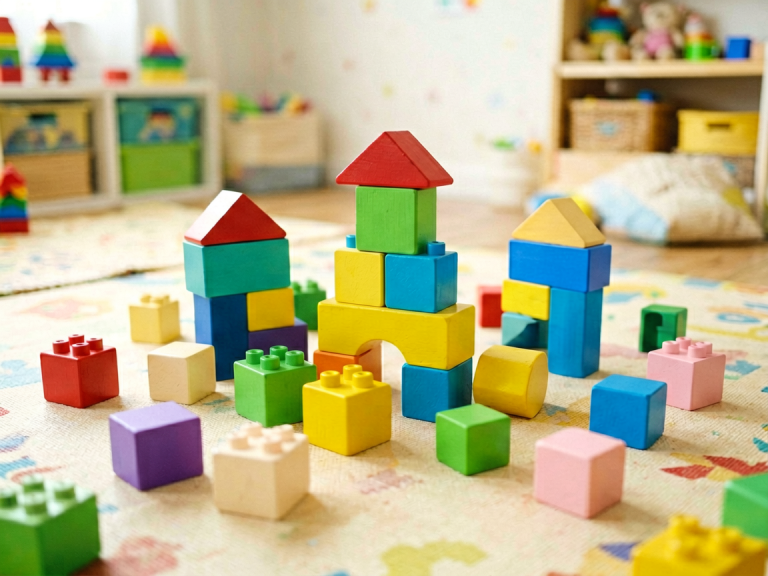
- Multiplication with Lego: Count the number of studs on a 2×4 brick (2 rows of 4 = 8). Build arrays to visualize 3×5, 4×6, etc.
- Fractions with pizza or cookies: Cut a real pizza into halves, quarters, and eighths. Let him serve pieces and name the fractions.
- Measurement in the kitchen: Double a recipe to practice doubling, or halve one to practice fractions.
- Board games for logic: Games like *Blokus*, *Qwirkle*, or *Mastermind* develop spatial reasoning and strategic thinking.
- Math scavenger hunt: Hide problems around the house. For example, “Find four objects that are longer than your hand” or “How many steps from your bed to the door? Multiply that by 3.”
Important: Allow mistakes. Boys learn best when they can try, fail, and try again without shame. Celebrate effort rather than just correct answers.
—
6. Incorporate Movement and Physical Activity
Why Sitting Still Is Hard
Research shows that boys’ brains benefit from physical activity to regulate attention and memory. After 15 minutes of sitting, the brain needs a movement break to reset. Instead of viewing exercise as separate from learning, integrate it.
Practical Integration:
- Active learning games: Use chalk to write spelling words on the driveway and have him jump from word to word while saying them. Do jumping jacks while counting by twos.
- Walk and talk: Discuss a science concept or quiz him on math facts while going for a walk. The movement reduces pressure and increases retention.
- Brain breaks: Set a timer for “movement minutes” between subjects. He can do 20 star jumps, run around the yard, or dance to a one-minute song.
- Standing desk ideas: Let him do his reading while lying on his stomach on the floor, or standing at a counter. Changing positions re-energizes him.
—
7. Manage Screen Time With Purpose
Not All Screens Are Equal
At eight, many boys are drawn to tablets, video games, and YouTube. Instead of a blanket ban, use screen time as a learning tool and a reward. The goal is to teach self-regulation, not elimination.
Smart Screen Strategies:
- Choose educational content: Games like *Minecraft* (creative mode), *Prodigy* (math), or *Scratch* (coding) are rich in problem-solving. YouTube channels like *SciShow Kids* or *National Geographic Kids* offer short, engaging videos.
- Set clear boundaries: Use a timer or visual countdown. For example, “You can have 30 minutes of game time after your math and reading are done.”
- Co-view and discuss: Watch a documentary or a how-to video together. Ask questions: “What did you learn?” “Why do you think that happened?” This turns passive viewing into active learning.
- Encourage creation over consumption: Instead of just playing a game, have him design his own level. Instead of watching a video, have him narrate his own tutorial on how to build something.
Red Flag: If screen time leads to tantrums when it ends, you may need to reduce or change the type of content. Use screen time as a privilege tied to completed learning tasks.
—
8. Foster Emotional Resilience and a Growth Mindset
The Hidden Factor in Learning
Eight-year-old boys can be surprisingly sensitive. They may cry over a math problem or refuse to try a new activity for fear of failure. Your role is to normalize struggle and praise effort.
How to Cultivate Resilience:
- Use “yet” language: “You haven’t mastered this yet.” This small word shifts focus from failure to growth.
- Praise the process: Instead of “You’re so smart,” say “I like how you kept trying even when it was hard” or “You found a creative way to solve that.”
- Model mistakes: Let him see you struggle with something (e.g., assembling furniture, learning a new recipe) and say, “This is tough. I’ll try a different way.”
- Create a “mistake of the day” ritual: Share one thing that went wrong and what you learned. Laugh together about it.
- Break tasks into steps: When faced with a big project, help him list three small steps. Completing the first step builds momentum.
Emotional Check-Ins: Before starting a learning session, ask, “How is your energy level? Are you feeling frustrated or ready?” If he is tired or cranky, adjust the activity—maybe start with something easy or take a longer break.
—
Conclusion: The Goal Is Joy, Not Perfection
Supporting an 8-year-old boy’s learning at home is not about turning him into a mini scholar. It is about nurturing his natural curiosity, respecting his need for movement, and building a positive relationship with learning that will last a lifetime. Some days will be messy—papers strewn across the floor, a half-finished project, a math worksheet with more eraser marks than answers. That is okay. The goal is not perfection; it is a boy who feels capable, who asks questions, and who sees learning as something he *gets* to do, not something he *has* to do. Adjust your expectations, celebrate small victories, and remember that you are his first and most important teacher. By creating a home environment that values effort, embraces interests, and allows for both focus and fun, you are giving him the greatest gift: the confidence to keep learning, no matter what challenges come his way.