The Art of Choosing Early Learning Toys: A Comprehensive Guide for Parents
Introduction
Every parent wants to give their child the best possible start in life. Among the many decisions that shape early development, selecting the right toys stands out as both a joy and a responsibility. Early learning toys are not mere distractions; they are tools that stimulate curiosity, build foundational skills, and foster a love for discovery. Yet, with countless options flooding the market—from flashy electronic gadgets to simple wooden blocks—parents often feel overwhelmed. How do you separate genuine educational value from marketing hype? This article provides a structured, evidence-based approach to choosing early learning toys that truly support a child’s cognitive, physical, and emotional growth. By considering age appropriateness, safety, developmental domains, and play philosophy, you can build a toy collection that enriches your child’s early years.
Understanding the Importance of Early Learning Toys
The first three years of life are a period of extraordinary brain development. During this time, neural connections form at a rate of more than one million per second, largely influenced by the child’s environment and experiences. Early learning toys serve as catalysts for this process. They encourage exploration, problem-solving, and social interaction. Unlike passive entertainment (such as watching videos), well-chosen toys require active engagement—manipulating, stacking, sorting, and pretending. These activities strengthen fine motor skills, hand-eye coordination, language development, and executive functions like attention and self-regulation. Moreover, play is the natural language of children. Through play, they learn cause and effect, spatial relationships, and even empathy when they role-play with dolls or action figures. Therefore, choosing toys is not a trivial shopping task; it is an investment in your child’s future learning capacity.
Age-Appropriate Considerations: From Infants to Preschoolers
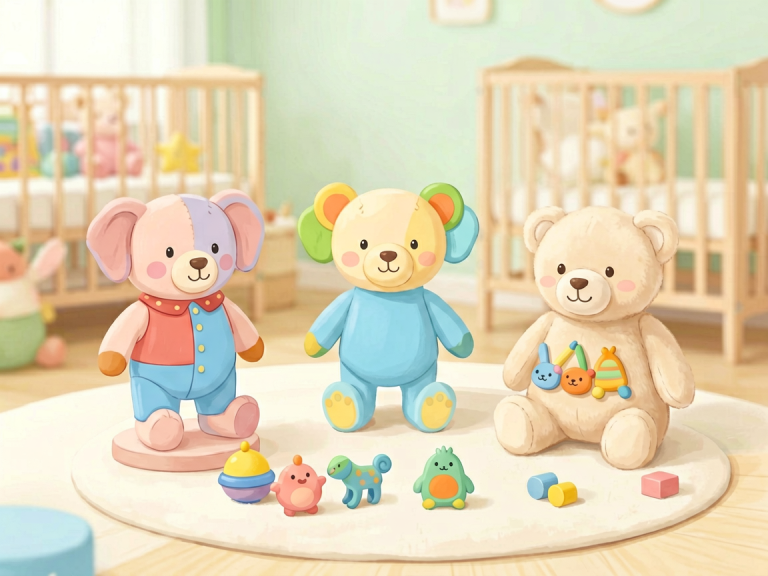
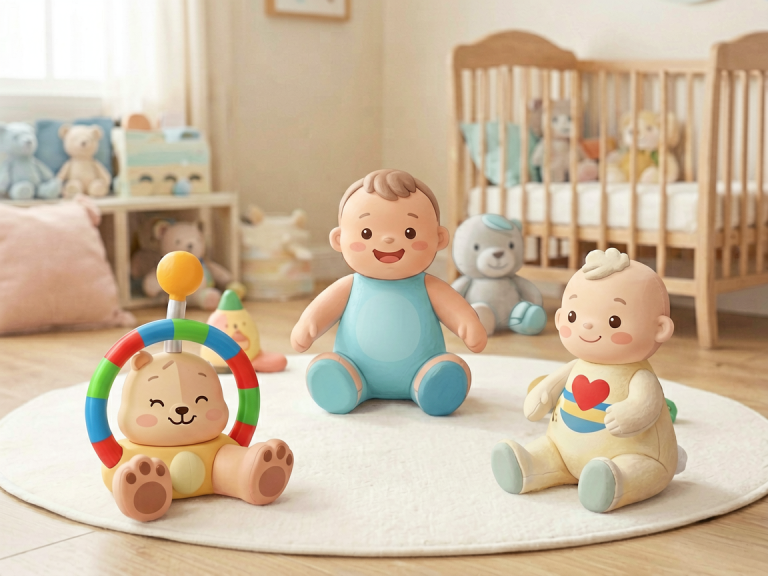
One of the most critical factors in selecting early learning toys is matching the toy to the child’s developmental stage. A toy that is too advanced will frustrate; one that is too simple will bore. For infants (0–12 months), the focus should be on sensory stimulation. High-contrast black-and-white cards, rattles that produce gentle sounds, soft teething rings, and cloth books with different textures are ideal. These toys help infants develop visual tracking, auditory discrimination, and tactile awareness. As babies become mobile, around 6–12 months, toys that encourage reaching, grasping, and cause-and-effect—such as activity cubes, stacking rings, and simple shape sorters—are excellent.
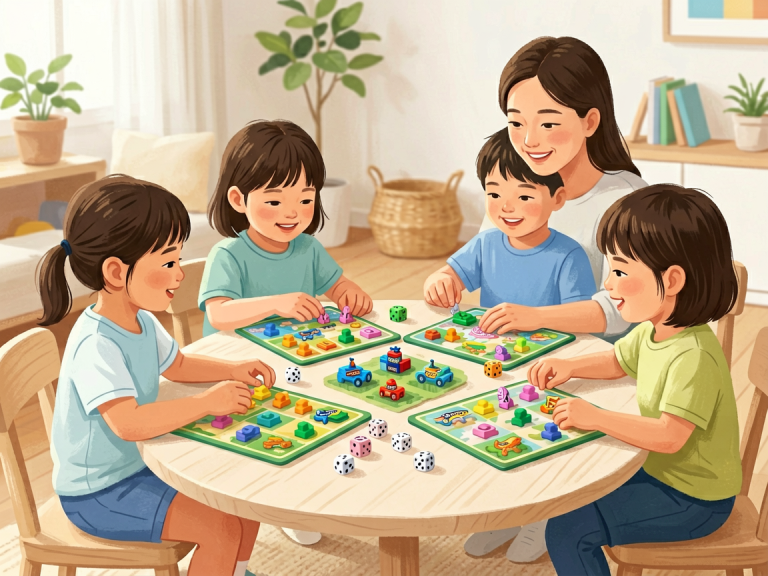
For toddlers (1–3 years), the world becomes one of exploration and imitation. Toys that promote gross motor skills (push-and-pull toys, ride-on cars, balls) and fine motor skills (large peg puzzles, chunky crayons, building blocks) are key. Pretend play also emerges, so toy kitchens, tool sets, or simple dolls allow children to process everyday experiences. At this stage, avoid toys with small parts that pose choking hazards. For preschoolers (3–5 years), cognitive complexity increases. Board games with simple rules, magnetic tiles, letter and number puzzles, and art supplies (safety scissors, playdough, finger paints) support early literacy, numeracy, and creativity. Always check the manufacturer’s age recommendation, but also observe your child’s individual interests and abilities—some three-year-olds may be ready for more advanced puzzles, while others still prefer open-ended building.
Safety First: Non-Toxic and Sturdy
No matter how educational a toy claims to be, it is useless if it compromises your child’s safety. The first rule is to avoid toys with sharp edges, small detachable parts (for children under three), and long cords that could cause strangulation. Look for certifications such as ASTM (American Society for Testing and Materials) or CE (Conformité Européenne) marks. Materials matter greatly. Choose toys made from natural, non-toxic materials like solid wood finished with water-based paints or food-grade silicone. Avoid cheap plastics that may contain BPA, phthalates, or lead. Even fabric toys should be machine-washable and free from loose buttons or ribbons. Additionally, consider the toy’s durability. A flimsy plastic toy that breaks easily can create sharp shards or small pieces, posing a danger. High-quality wooden blocks or metal cars might cost more upfront, but they last through multiple children and often become family heirlooms. Finally, check for any potential hazards in the design—for example, magnetic toys should have magnets encased so they cannot be swallowed, and battery compartments should be secured with screws to prevent access.
Types of Learning Toys: Sensory, Cognitive, Motor, and Social
To build a well-rounded play diet, it helps to categorize toys by the developmental domain they primarily target. Sensory toys engage the five senses (sight, sound, touch, taste, and smell). Examples include water beads (under supervision), textured balls, musical instruments like maracas or xylophones, and light-up toys with slow color changes. These toys are particularly beneficial for infants and children with sensory processing differences. Cognitive toys focus on problem-solving, memory, and logic. Puzzles, memory card games, shape sorters, construction sets, and simple coding robots for older preschoolers fall into this category. They teach children to plan, test hypotheses, and persist through trial and error.
Motor development toys can be divided into fine motor (small muscle control) and gross motor (large muscle movements). For fine motor, think of lacing beads, threading cards, playdough tools, and stacking cups. For gross motor, look at climbing structures, balance beams (low to the ground), tricycles, and obstacle course elements like tunnels and stepping stones. Finally, social and emotional toys encourage interaction, sharing, and emotional expression. Dollhouses, puppets, board games that require turn-taking, and cooperative games (where everyone wins together) are excellent. A good toy collection should include offerings from each category, but remember that many toys cross domains—for instance, building blocks develop cognitive skills (balance and geometry), fine motor control, and social skills when children collaborate.
How to Evaluate a Toy’s Learning Potential
Before making a purchase, ask yourself a few questions. First, does the toy encourage active rather than passive play? A toy that does something for the child—like a battery-operated car that moves on its own—will quickly lose appeal and offer limited learning. Instead, choose toys that require the child to act: push, pull, construct, or imagine. Second, consider whether the toy offers open-ended possibilities. A set of wooden blocks can become a tower, a road, a castle, or an animal pen; a single-purpose electronic toy has only one function. Open-ended toys grow with the child, fostering creativity and problem-solving over years. Third, think about the toy’s potential for social engagement. Toys that can be enjoyed by two or more children (or with a parent) teach cooperation, negotiation, and language skills. Fourth, assess the toy’s adaptability. Can you modify the difficulty? For example, a puzzle with different numbers of pieces or a shape sorter with changing templates offers increasing challenge. Finally, trust your child’s interests. A child who loves animals will learn more from an animal-themed matching game than a generic one. Observe your child’s natural curiosity and select toys that feed that flame.
Avoiding Overstimulation and Screen Time
In the digital age, many toys come with lights, sounds, and screens. While some electronic toys can be educational (e.g., interactive tablets designed for toddlers), overstimulation is a real concern. Toys that flash rapidly or emit loud, chaotic sounds can overwhelm a young child’s developing nervous system, leading to irritability or short attention spans. The American Academy of Pediatrics recommends that children under 18 months avoid screen time altogether (except for video calls) and that older toddlers use screens only with high-quality content and adult co-viewing. For non-screen toys, the principle of simplicity applies. A simple wooden rattle or a set of nesting cups often provides more learning opportunities than a complex electronic toy that does the work for the child. Choose toys that allow for quiet, focused play, and limit the number of toys available at one time. A cluttered playroom full of blinking gadgets can actually hinder deep engagement. Rotating toys every few weeks keeps the child’s interest fresh without overloading their senses.
Practical Tips for Building a Toy Collection
Building a collection of early learning toys does not require a large budget. Start with a few high-quality staples: a set of wooden blocks, a basic puzzle, a shape sorter, a set of stacking cups, and some art supplies. From there, expand based on your child’s evolving interests and milestones. Visit thrift stores, yard sales, or toy libraries to find gently used toys at low cost; just ensure they meet safety standards. Prioritize toys that have multiple uses—for instance, a set of plastic magnetic tiles can be used for building, color sorting, and even teaching geometry. Resist the urge to buy every trending toy. Instead, ask other parents, read reviews from trusted sources (like occupational therapists or early childhood educators), and consider the toy’s longevity. Remember that the best “toy” is often a cardboard box, a scarf, or a set of kitchen utensils; unstructured materials foster the highest creativity. Finally, remember your role as a play partner. No toy can replace the interaction of a loving adult. Sit on the floor, engage in pretend play, and ask open-ended questions like “What do you think will happen if we put this block on top?” Your presence doubles the toy’s educational value.
Conclusion
Choosing early learning toys is both an art and a science. By understanding your child’s developmental stage, prioritizing safety, evaluating each toy’s learning potential, and avoiding overstimulation, you can create a play environment that nurtures growth without overwhelming your little one. The goal is not to fill a room with plastic gadgets but to offer carefully selected tools that spark wonder, build skills, and strengthen the bond between parent and child. As you browse the aisles or scroll through online shops, keep in mind the wise words of Fred Rogers: “Play is often talked about as if it were a relief from serious learning. But for children, play is serious learning.” Choose wisely, play often, and watch your child thrive.