The Art of Less: Essential Tips for Parents on Choosing Fewer Toys
Introduction: Why Parents Need a New Approach to Toy Selection
Walk into any modern toy store, and you are immediately overwhelmed by a kaleidoscope of flashing lights, electronic sounds, and endless aisles of plastic possibilities. For decades, the prevailing wisdom among well-meaning parents has been simple: more toys equal more opportunities for learning, more fun, and more happiness. Yet a growing body of research in child development, neuroscience, and environmental psychology tells a very different story. When children are surrounded by too many toys, their attention fragments, their creativity suffers, and they often become less engaged in deep, meaningful play. Choosing fewer toys is not about deprivation; it is about intentionality. It is a conscious decision to create a space where quality replaces quantity, where imagination replaces passive consumption, and where your child’s developing brain can thrive without constant sensory overload. In this article, we will explore why less truly is more when it comes to children’s toys, and offer practical, evidence-based tips for parents who want to make smarter, more sustainable choices.
Why Less Is More: The Science Behind Toy Overload
The first step in embracing a “fewer toys” philosophy is understanding the cognitive and emotional impact of an overabundant playroom. A landmark study published in *Infant Behavior and Development* demonstrated that toddlers who played with fewer toys at a time engaged in longer, more complex play sessions—they used toys in novel ways, created narratives, and sustained attention for significantly longer periods. Conversely, when presented with a large array of toys, children flitted from one object to another every few minutes, rarely exploring any single item deeply.
From a neurological perspective, the human brain has a limited capacity for focused attention. For young children, whose executive functions are still developing, an environment crammed with choices triggers what psychologists call “decision fatigue.” The constant need to select among dozens of options taxes their mental energy, leading to frustration and a shallow, distracted form of play. Moreover, when toys are abundant, children often value them less; the sheer volume diminishes the novelty and emotional attachment to any one item. This phenomenon is closely related to the concept of “hedonic adaptation”—the more we have, the less we appreciate. By choosing fewer toys, parents can help children form deeper bonds with their possessions, foster gratitude, and promote a sense of stewardship rather than entitlement.
The Quality Over Quantity Mindset: What to Look For
If the goal is to choose fewer but better toys, parents need a clear framework for evaluation. Not all toys are created equal, and the most expensive or sophisticated options are rarely the best for development. Instead, focus on three core qualities: open-endedness, durability, and multi-sensory appeal.
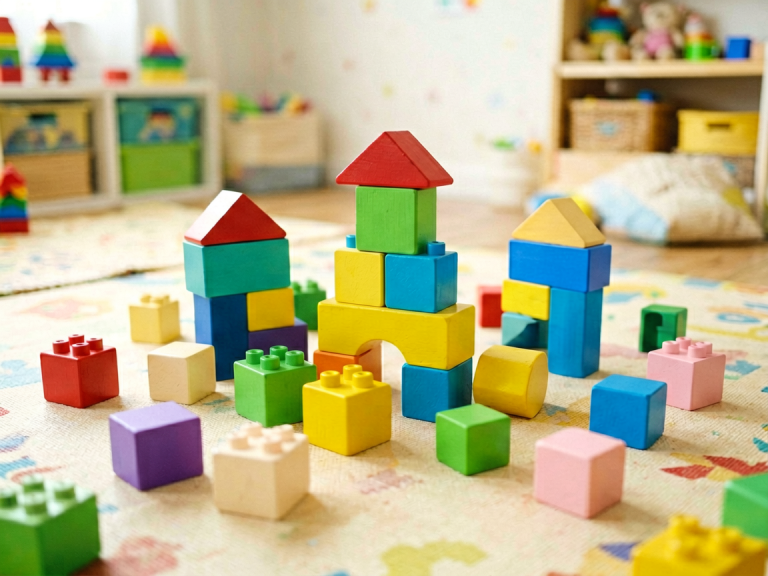
Open-ended toys are those that can be used in countless ways without a prescribed outcome. Think wooden blocks, magnetic tiles, play silks, dolls with simple faces, or a set of stacking cups. Unlike a battery-operated toy that only does one thing (press a button to hear a song), open-ended toys invite the child to become the creator. A cardboard box becomes a spaceship, a castle, or a car. These toys grow with the child, adapting to different stages of development, and they never become obsolete after a week of use.
Durability is equally critical. Toys that break easily not only frustrate children but also contribute to a throwaway culture. Investing in well-made wooden or metal toys that can withstand rough play and even be passed down to younger siblings sends a powerful message about quality and longevity. Look for toys made from natural materials, non-toxic paints, and solid construction. While the upfront cost may be higher, the cost-per-play hour is often much lower than that of cheap plastic toys that end up in the landfill.
Multi-sensory appeal means engaging more than just one sense. Toys that have different textures, weights, sounds (that the child can control), and even smells (such as natural wood) stimulate neural connections more effectively than flat, digital screens. A set of musical instruments made from wood and metal, for example, encourages auditory exploration, fine motor skills, and cause-and-effect learning far more than a talking plush toy that repeats the same phrases.
Practical Strategies for Choosing Fewer Toys
Moving from theory to action requires a systematic approach. Here are actionable tips that parents can implement starting today.
1. Conduct a Toy Audit
Before you can choose fewer toys, you need to know what you already have. Set aside an hour to gather every toy in your home—including those hidden in closets, under beds, and in the car. Categorize them into three piles: keep, donate, and recycle/trash. Be ruthless. Ask yourself: Does this toy spark joy (to borrow Marie Kondo’s phrase)? Does it encourage active play or passive consumption? Has my child played with it in the last month? If the answer is no, it is likely clutter. Involve older children in this process to teach them about mindful consumption.
2. Implement a Toy Rotation System
Even after you have pared down, you may still have more toys than ideal. The solution is to rotate toys in and out of circulation. Store about two-thirds of the toys out of sight (in a closet or labeled bins). Every two to four weeks, swap the visible set. This practice essentially gives your child a “new” toy collection without buying anything, and it reignites their interest in toys that had been forgotten. A toy rotation also makes cleaning up easier and reduces overwhelm.
3. Adopt a “One In, One Out” Rule
To prevent future accumulation, establish a simple family rule: whenever a new toy enters the home (bought by you, gifted by relatives, or received as a party favor), an old toy must leave. This rule works best if you have a designated box or donation bag that is always accessible. Explain to your child that the outgoing toy will go to another child who will love it, which also fosters empathy and generosity.
4. Rethink Gifting and Celebrations
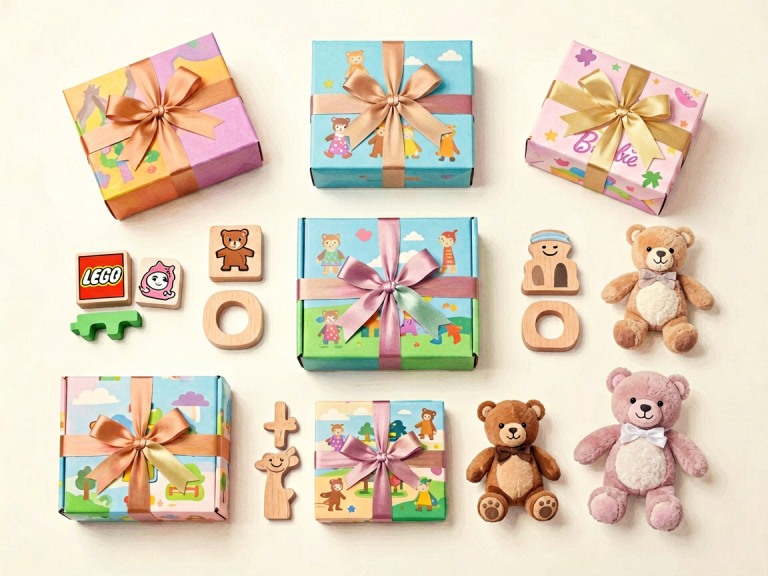
Birthdays and holidays are the biggest sources of toy influx. Communicate proactively with family and friends about your family’s values. Suggest alternative gifts such as experiences (tickets to a museum, a zoo membership, art classes), consumables (play-dough, art supplies, baking kits), or contributions to a savings account for a larger item. If people insist on physical gifts, ask for specific, high-quality items from your child’s wish list. You can also host a “no present” party where guests bring a wrapped book that gets donated, or have a “gift of time” where grandparents offer a special outing instead of another plastic toy.
5. Choose Toys That Promote Connection, Not Isolation
In an era of screens and solitary play, prioritize toys that invite cooperation, conversation, and shared experiences. Board games, construction sets that require teamwork, puppets for storytelling, and simple sports equipment (a ball, a jump rope) all encourage interaction with siblings, parents, and friends. When toys become tools for connection, they build social skills and strengthen family bonds. Avoid toys that replace human interaction, such as talking dolls that prompt one-way conversation or video game consoles that isolate the child.
How to Involve Your Child in the Process
Children are more likely to embrace a “fewer toys” mindset when they feel included in the decision-making. Use age-appropriate language to explain why you are choosing fewer toys. For a three-year-old, you might say, “We are going to give some of these toys to other kids so we can have more room to build our big castle.” For an older child, have a conversation about how having too many things can make it hard to appreciate what we have.
Teach gratitude through play. After you have rotated toys, ask your child to pick one or two favorites each day. Encourage them to play with that toy for at least 15 minutes before moving to something else. This simple ritual builds focus and appreciation. You can also create a “toy gratitude journal” for older children, where they draw or write about their favorite toy of the week and why they love it.
Empower children to make their own choices. Let them participate in the toy audit and decide which toys to keep, which to donate, and which to gift to friends. This ownership reduces resistance and builds decision-making skills. If your child struggles to part with a toy, take a photo of it before donating; the memory remains without the clutter.
Common Challenges and How to Overcome Them
Even with the best intentions, parents face obstacles. Grandparents and other relatives may feel hurt if asked to stop buying toys. Address this gently by explaining your reasoning: “We are trying to help Timmy focus better and appreciate his toys. Could we ask you to buy him a book or a board game instead?” Another challenge is children’s peer pressure—when your child sees friends with the latest action figure or electronic gadget. Normalize conversations about wants versus needs. Let your child know that you understand the desire, but as a family you have chosen to value experiences over things. Finally, your own emotional attachments can be a hurdle. You may feel guilty discarding a toy that was a gift from a loved one. Remember, the love is in the giving, not in the object. Take a photo, say thank you, and let it go.
Conclusion: The Joy of Less
Choosing fewer toys is not an act of sacrifice; it is an act of love. It is a promise to your child that you will protect their time, attention, and imagination from the relentless noise of consumer culture. When children have fewer toys, they play deeper, think more creatively, and develop stronger relationships with people and with the world around them. They learn that happiness does not come from the next shiny object but from the endless possibilities within their own minds. As a parent, you will also benefit: less clutter means less stress, less cleanup, and more space for connection. So take a deep breath, trust the science, and start small. Choose one shelf to clear, one rotation to implement, one gift conversation to have. The transformation will surprise you—and your child will thank you, not in words perhaps, but in the beautiful stillness of their focused play.