The Art of Taming the Toy Tornado: Essential Storage Tips for Overwhelmed Parents
Introduction
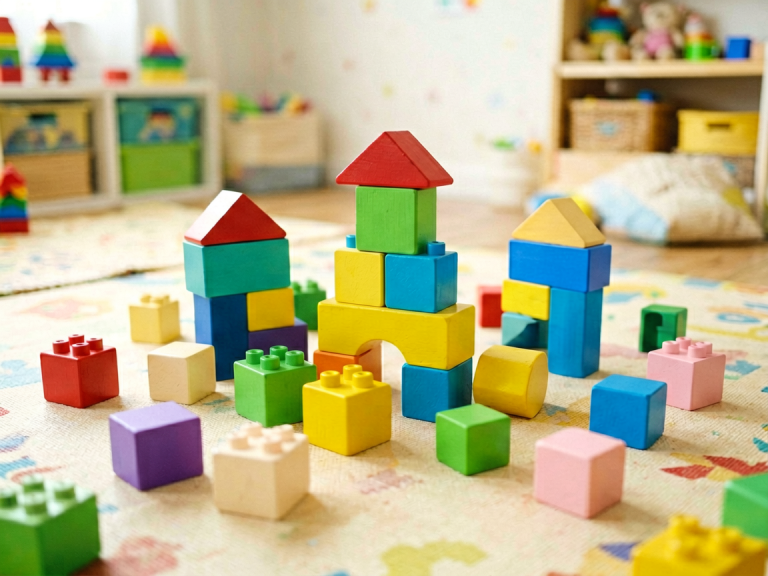
Every parent knows the scene: you spend twenty minutes tidying the living room, only to turn around and find a trail of LEGO bricks, stuffed animals, and puzzle pieces snaking across the floor. Toys are the glorious, messy byproduct of childhood – they spark imagination, encourage learning, and build motor skills. But they also have a remarkable ability to multiply overnight, turning a cozy home into an obstacle course. The frustration is real, but the solution isn’t about banning toys or becoming a drill sergeant. It is about designing a smart, sustainable storage system that works for both you and your children. This article provides practical, parent-tested toy storage tips that will help you reclaim your space, reduce daily stress, and even teach your kids valuable life skills along the way.
The Philosophy of Toy Storage: Less Is More
Before diving into bins and shelves, it’s essential to adopt a mindset shift. The most effective storage strategy starts with reduction. Parents often feel guilty about discarding or donating toys, but holding on to every single item actually overwhelms children. Research in developmental psychology suggests that too many choices can lead to decision fatigue and shorter attention spans. A curated collection of toys—those that are truly loved, age-appropriate, and versatile—will be played with more deeply and creatively.
Start by conducting a “toy audit.” Go through every closet, basket, and corner. Sort toys into three categories: keep, donate, and trash. Be ruthless. Broken crayons, missing-piece puzzles, and forgotten happy-meal trinkets go. Duplicate toys? Keep one, pass on the rest. For sentimental items, take a photo and let them go. This initial purge will immediately reduce the clutter by at least thirty percent. Remember, you are not depriving your child; you are giving them the gift of focus and a more peaceful play environment.
Categorize and Rotate: The Key to Manageable Chaos
Once you have a streamlined collection, the next step is organization by category. Group similar toys together: blocks with blocks, art supplies in one container, cars and trucks in another. This makes cleanup logical and predictable. Clear, low-sided bins are ideal because children can see what’s inside without dumping everything out. Label each bin with both words and pictures (for pre-readers) to encourage independent tidying.
But the real magic lies in the rotation system. Most families own far more toys than a child can engage with at once. Divide your curated collection into three or four “sets.” Keep only one set accessible in the play area. Store the others in a closet or garage bin. Every two to three weeks (or when boredom strikes), swap out the current set for a fresh one. This simple technique makes old toys feel new again, reduces the daily mess, and extends the life of each toy’s novelty. Parents report that rotation cuts cleanup time in half and significantly reduces the frequency of “I have nothing to play with” complaints.
Creative Storage Solutions for Small Spaces
Not every home has a dedicated playroom. If you live in an apartment or a house with limited square footage, you need to think vertically and multi-functionally. Here are several space-saving strategies:
- Under-furniture bins: Use shallow, flat bins that slide under the sofa, bed, or crib. These are perfect for storing extra blankets, stuffed animals, or bulky playsets that aren’t used daily.
- Over-the-door shoe organizers: A clear, pocketed organizer hung over a closet or bedroom door becomes an instant toy caddy. Use pockets for small items like action figures, toy cars, crayons, or craft supplies. It keeps everything visible and easily accessible.
- Floating shelves and wall-mounted cubbies: Utilize wall space that would otherwise be wasted. Low shelves allow toddlers to reach their toys independently. Taller shelves can display books or decorative toys that aren’t for daily rough play.
- Ottoman or bench storage: Invest in a storage ottoman that doubles as seating and a toy bin. This works beautifully in living rooms where you want to hide toys during adult time. A simple flick of the lid, and toys disappear.
- Hanging storage in closets: Use hanging fabric shelves or a simple tension rod with hooks for dress-up clothes, capes, and bags. This keeps costumes organized and off the floor.
For parents who want a stylish solution, consider using woven baskets, fabric bins in neutral colors, or matching sets that blend with your decor. The goal is to make toy storage feel like a natural part of the room, not an eyesore.
Involving Your Kids: Teaching Responsibility Through Organization
A storage system is only as good as the people who use it. You can design the most elaborate shelving unit in the world, but if your child dumps everything on the floor and walks away, chaos will return. Therefore, teaching children to participate in cleanup is crucial—and it must be age-appropriate and consistent.
Start young. Toddlers can learn to put blocks into a bin. Sing a cleanup song, make it a race against a timer, or turn it into a game of “find the matching lid.” For preschoolers, use a simple “one-in, one-out” rule: if they want a new toy out, the previous one must be put away. This prevents the familiar dump-everything-at-once disaster. Label bins with pictures so they can match objects to their homes. Praise effort, not perfection. Avoid demanding complete neatness; instead, celebrate the act of helping.
School-aged children can take on more responsibility. Create a “toy check-out” system: they must sign out (verbally or on a whiteboard) a toy from a high shelf and return it when done. Alternatively, implement a daily five-minute tidy-up before screen time or dinner. Consistency is key. When children understand that cleaning up is simply part of play—not a punishment—they develop a sense of ownership and pride in their space. Over time, this reduces the parent’s burden and builds lifelong organizational habits.
Maintenance and Seasonal Purge: Keeping the System Alive
A one-time organization is not enough. Toys evolve: birthdays bring new gifts, interests change, and younger siblings inherit older items. To prevent your system from collapsing under the weight of accumulation, schedule regular maintenance. A good rhythm is to do a quick toy review every season (four times a year) and a deeper purge before major holidays like Christmas or birthdays.
When new toys arrive, enforce the “one in, one out” rule strictly. For every new toy that enters the home, an old one must leave—either donated, sold, or passed on. This keeps the total volume manageable. Also, pay attention to “dead zones” in your storage: areas where toys get shoved and forgotten. If you consistently find toys in a certain bin that never get played with, it’s a sign they can be donated.
Finally, involve your children in the maintenance process. Explain that some toys go to other children who will love them. This teaches generosity and reduces attachment. A practical tip: keep a “maybe” box. If you’re unsure about discarding a toy, place it in a sealed box, label it with the date, and tuck it away. If your child doesn’t ask for it within three months, you can safely donate it.
Conclusion
Toy storage is not about achieving a picture-perfect, magazine-ready home every minute of the day. It is about creating a system that reduces stress, maximizes play value, and fosters independence in your children. By embracing a less-is-more philosophy, using categorization and rotation, employing creative space-saving solutions, teaching your kids to participate, and committing to regular maintenance, you can transform your home from a toy tornado into a calm, functional space for the whole family. The effort is well worth it: you’ll spend less time cleaning and more time playing—and that is the ultimate win for any parent.