Boosting Language Skills: Engaging Activities for 6-Year-Olds
Introduction
At the age of six, children enter a golden phase of language development. Their vocabulary expands rapidly, they begin to grasp more complex sentence structures, and they show increasing interest in reading and writing. However, language growth does not happen in a vacuum. It requires intentional, playful, and consistent exposure to rich linguistic experiences. For parents, caregivers, and educators, providing the right activities can make a profound difference in how a six-year-old develops communication skills, comprehension, and a lifelong love for language. This article explores a wide array of practical, evidence-based activities designed specifically to nurture language development in six-year-olds, covering everything from storytelling and word games to dramatic play and technology-assisted learning.
Why Focus on Language Development at Age Six?
Six-year-olds are typically in kindergarten or first grade, where formal literacy instruction begins. Their cognitive abilities allow them to follow multi-step instructions, understand jokes and riddles, and engage in extended conversations. Yet, each child develops at their own pace. Activities that are fun, low-pressure, and integrated into daily routines can bridge gaps and strengthen foundational skills. Moreover, strong language abilities at this age are linked to later academic success, social confidence, and emotional regulation. By targeting language development through play, we empower children to express themselves clearly, listen actively, and think critically.
Storytelling and Reading: The Cornerstone of Language Growth
Interactive Read-Aloud Sessions
Reading aloud to six-year-olds remains one of the most powerful language-building activities. Unlike passive television watching, interactive read-alouds invite children to predict what happens next, discuss characters’ feelings, and ask questions. Choose books with rich vocabulary, repetitive phrases, and engaging illustrations. For example, while reading *Where the Wild Things Are*, pause and ask, “Why do you think Max sailed away?” or “How would you feel if you were Max?” This encourages the child to formulate complete sentences and articulate thoughts.
Story Retelling and Sequencing
After reading a story, ask the child to retell it in their own words. You can provide prompts like “First…, then…, finally…” to help them sequence events. For an extra challenge, have them draw a series of pictures that represent the beginning, middle, and end of the story. This activity strengthens narrative skills, memory, and logical thinking—all essential for language development.
Create Your Own Storybook
Provide blank paper, crayons, and markers. Ask the child to invent a story and write a few sentences on each page (they can dictate to you if writing is still challenging). Together, design a cover and staple the pages. This not only builds vocabulary and sentence structure but also gives the child a sense of authorship and pride.
Word Games and Puzzles: Fun with Phonics and Vocabulary
Rhyming Bingo
Prepare bingo cards with pictures of simple words (e.g., cat, hat, bat, rat). Call out a word, and the child must find a picture that rhymes with it. Alternatively, say a word and have the child shout out three rhyming words. Rhyming develops phonemic awareness, a key predictor of reading fluency.
Alphabet Scavenger Hunt
Write the alphabet on a piece of paper. Go on a walk around the house or neighborhood and ask the child to find something that starts with each letter. For “A,” they might point to an apple; for “B,” a ball. This activity reinforces letter-sound associations while making learning active and physical.
Word Matching Games
Using index cards, write simple words on one set and draw corresponding pictures on another. Have the child match the word to the picture. As they become more confident, introduce compound words (e.g., “rainbow” with a picture of rain and a bow). Matching games improve sight word recognition and visual memory.
“I Spy” with Descriptive Language
The classic game “I Spy” can be elevated by requiring the child to use adjectives. Instead of “I spy something blue,” say, “I spy something round, red, and crunchy.” The child then guesses “apple.” This encourages them to listen for descriptive details and expand their own descriptive vocabulary.
Dramatic Play and Role-Playing: Language in Context
Pretend Play Scenarios
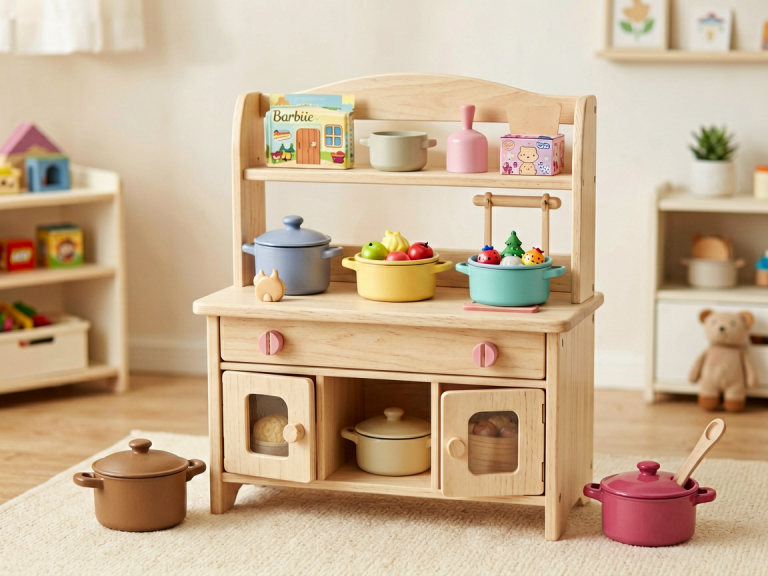
Set up a pretend grocery store, doctor’s office, or restaurant. Provide props like play food, a toy stethoscope, or menus. As the child takes on a role (cashier, patient, chef), they naturally use language in functional ways. They learn turn-taking, question forms (“How can I help you?”), and polite expressions (“Thank you, come again”). You can join in to model more complex sentences.
Puppet Shows
Create simple puppets from socks, paper bags, or old gloves. Encourage the child to write a short script or improvise a dialogue between two characters. Puppetry removes the pressure of performing in front of others and allows children to experiment with different voices, emotions, and vocabulary. It also fosters creativity and narrative development.
Acting Out Stories
After reading a familiar fairy tale (e.g., *The Three Little Pigs*), invite the child to act it out. Assign roles, and encourage them to say lines from the story or invent new ones. Acting reinforces comprehension, memory, and the ability to use language expressively.
Writing and Drawing Activities: From Scribbles to Sentences
Daily Journal
Give the child a simple notebook. Each evening, ask them to draw a picture of something they did that day and write a sentence about it. For a six-year-old, “I played with my dog” is a great start. Over time, encourage expanding sentences with details like “I played fetch with my brown dog in the yard.” This regular practice builds handwriting, spelling, and narrative confidence.
Grocery List and To-Do Lists
Invite the child to help you write a grocery list. Sound out words together (“What letters do we need for ‘banana’?”). They can also write a to-do list for their day: “Brush teeth. Eat breakfast. Go to park.” This shows that writing has real-life purpose and reinforces functional vocabulary.
Label the House
Print or write labels for common objects: “door,” “window,” “table,” “chair.” Have the child tape them onto the correct items. This activity connects written words to physical objects and builds sight word recognition. For extra fun, label furniture with adjectives like “soft sofa” or “hard floor.”
Songs and Rhymes: Melody Boosts Memory
Singing with Lyrics
Children naturally absorb language through songs. Choose songs with clear, repetitive lyrics like “The Wheels on the Bus” or “Twinkle, Twinkle, Little Star.” Sing together, and occasionally pause to let the child fill in the next word. Songs improve pronunciation, rhythm, and vocabulary retention.
Nursery Rhyme Substitution
Take a familiar nursery rhyme like “Humpty Dumpty” and change the words. For example, “Humpty Dumpty sat on a chair, Humpty Dumpty had a big scare.” Encourage the child to make their own variations. This promotes phonological manipulation and creativity.
Clapping Syllables
While singing or chanting, have the child clap or tap out the syllables in each word. For example, “but-ter-fly” gets three claps. This develops awareness of word parts, which is crucial for decoding longer words when reading.
Technology-Assisted Learning: Digital Tools with a Purpose
Educational Apps for Language
Many high-quality apps are designed for six-year-olds’ language development. Apps like “Endless Alphabet” introduce vocabulary through interactive animations, while “Sight Words” uses games to reinforce high-frequency words. The key is to use these tools in short, supervised sessions (15–20 minutes) and to discuss what the child learned.
Voice Recording and Playback
Use a simple voice recorder app or a smartphone. Have the child tell a short story or describe their favorite toy. Then play it back. This allows them to hear their own pronunciation and sentence flow, and they can self-correct. It also builds confidence in verbal expression.
Video Chat with Relatives
Video calls with grandparents or faraway friends provide authentic conversation practice. Before the call, prepare a few topics: “Tell Grandma about your new pet” or “Ask Grandpa what he liked to play when he was six.” This motivates the child to speak clearly and listen attentively.
Daily Conversations and Questioning: The Power of Dialogue
Open-Ended Questions
Instead of asking yes/no questions like “Did you have fun at school?” ask open-ended ones: “What was the most interesting thing you learned today?” or “What did you build during free play?” This encourages the child to formulate longer, more detailed answers. You can also model more complex language by rephrasing their answers: “Oh, so you built a castle out of blocks, and then a friend joined you to build a tower? That sounds like teamwork!”
“Tell Me More” Game
When the child says something simple like “I played outside,” respond with “Tell me more! What did you play? Who was with you? How did you feel when you scored a goal?” This teaches them to elaborate and use descriptive language. Over time, they will internalize this habit.
Family Storytelling Time
Set aside 10 minutes each evening for a family story. Each person takes a turn adding one sentence to create a collaborative tale. Start with “Once upon a time, there was a magical tree that…” and let the child contribute. This activity fosters listening, creativity, and the use of transition words (then, suddenly, finally).
Conclusion
Language development for six-year-olds is not a subject to be taught from a workbook; it is a living, breathing process that thrives in the context of play, connection, and everyday life. The activities outlined in this article—from interactive reading and word games to dramatic play and digital tools—are designed to be flexible, low-cost, and deeply engaging. The most important ingredient is the enthusiasm of the adult. When you show genuine curiosity about a child’s stories and ideas, you send a powerful message: your words matter.
Remember that each child progresses at their own pace. Celebrate small victories: a new word learned, a longer sentence spoken, a first attempt at writing a letter. Consistent, joyful practice will yield remarkable results. By embedding language-building moments into your daily routines, you are not just boosting your six-year-old’s vocabulary and grammar—you are building a foundation for a lifetime of confident communication and learning. So pick a book, grab some puppets, or start a silly rhyming game today. Your child’s linguistic journey is waiting.