Engaging Play Activities for Babies After School: Nurturing Development Through Fun
Introduction
The phrase "after school" typically evokes images of older children finishing their homework or heading to extracurricular clubs. But for babies—whether they have just returned from a daycare center, a nanny’s care, or a morning of exploration at home—the hours following the structured part of the day are a golden opportunity for growth, bonding, and joyful discovery. Parents and caregivers often feel tired after a long day, yet these precious moments after "school" (or after the primary care period) can be transformed into a rich, interactive experience that supports every domain of a baby’s development. The key lies in choosing play activities that are age-appropriate, safe, and emotionally nurturing. This article explores a variety of play activities designed specifically for babies in the after-school window, focusing on sensory stimulation, motor development, social engagement, and calm-down routines. By integrating these ideas into your daily rhythm, you can turn the end of the day into a cherished highlight for both you and your baby.
—
The Importance of After-School Play for Babies
After a day spent in a different environment—be it a daycare, a grandparent’s house, or simply a morning of independent play—babies often experience a mix of fatigue, mild overstimulation, and a renewed need for connection with their primary caregiver. This transitional period is sometimes called the "witching hour" (typically late afternoon to early evening), a time when babies can be fussy, clingy, or overtired. However, instead of rushing into a passive activity like watching a screen, intentional play can help regulate their nervous system, reinforce secure attachment, and provide a natural outlet for their boundless curiosity.
From a developmental standpoint, the brain of a baby is wired to learn through active, hands-on engagement. The after-school window offers a unique chance to practice new skills that may not have been emphasized during the day. For example, a baby who spent the morning in a group setting may benefit from one-on-one tummy time, face-to-face interaction, and gentle sensory play that builds both motor control and emotional security. Moreover, engaging in play together reinforces the parent-child bond, releasing oxytocin and reducing stress for both parties. By viewing this time not as a chore but as an investment in your baby’s cognitive, physical, and emotional growth, you can approach it with creativity and patience.
—
Sensory Play Activities to Soothe and Stimulate
Sensory play is the cornerstone of infant learning because it directly engages the neural pathways responsible for processing touch, sound, sight, smell, and taste. After a busy day, simple sensory activities can help a baby transition from a state of alertness to a more relaxed and focused state, while still providing valuable stimulation.
1. Treasure Basket Exploration
Fill a shallow basket with a variety of safe, household objects that offer different textures, shapes, and weights. For example, include a wooden spoon, a soft silk scarf, a large metal ring, a crinkly piece of wax paper, a clean sponge, and a smooth stone (larger than the baby’s mouth to avoid choking hazards). Allow the baby to sit on the floor with the basket in front of them and explore freely. This activity encourages independent play, fine motor control, and sensory discrimination. Sit nearby and describe what they are touching: “That scarf is so soft and silky,” or “The metal ring feels cool and smooth.” This not only enriches their vocabulary but also makes them feel secure knowing you are present.
2. Water Play in a Controlled Setup
A shallow plastic tub with a couple of inches of lukewarm water can be incredibly calming. Add a few floating toys, a small plastic cup, and a sponge. Always stay within arm’s reach and never leave the baby unattended. Splashing, pouring, and squeezing a sponge work on hand-eye coordination and cause-and-effect understanding. The sensation of water can be especially soothing for babies who are overtired or teething. For variation, add a few drops of food coloring (one color only) or a few ice cubes for a temperature contrast.
3. Messy Play with Edible Finger Paints
For babies who are still mouthing objects, homemade edible paints made from yogurt or pureed fruits and vegetables are perfect. Spread a small amount of plain yogurt mixed with a tiny bit of beet juice (for red) or blueberry puree (for purple) onto a high-chair tray or a silicone mat. Let the baby smear, pat, and taste to their heart’s content. This activity stimulates multiple senses simultaneously, and the mess can be cleaned up quickly with a warm washcloth afterward. It’s also a wonderful way to introduce new flavors and colors in a no-pressure context.
—
Motor Skill Development Games for Physical Growth
After a day of being in a stroller, car seat, or crib, babies crave opportunities to move their bodies in new ways. The after-school period is ideal for practicing gross and fine motor skills that build strength, coordination, and confidence.
1. Tummy Time with a Twist
If your baby is already comfortable with basic tummy time, add an enticing toy just out of reach to encourage reaching and rolling. Place a lightweight, colorful rattle or a small mirror in front of them, and gently guide their hand toward it. For babies who resist tummy time, try lying down face-to-face on the floor so your face is at their level. This turns the exercise into a social game, and your baby will lift their head to see you, strengthening their neck and back muscles without complaint. Use a small rolled towel under their chest for extra support if needed.
2. Pull-to-Stand Practice
For babies around six months and older who are beginning to stand, create a safe "pull-up station" using a sturdy low table or a couch cushion. Place a few favorite toys on the surface to entice them to pull themselves up. Always stay close to spot them and provide gentle support at their hips if necessary. This activity builds leg strength, balance, and spatial awareness. Pair it with a cheerful song like “Row, Row, Row Your Boat” while you help them bob up and down.
3. Fine Motor Fun with Simple Puzzles and Stacking
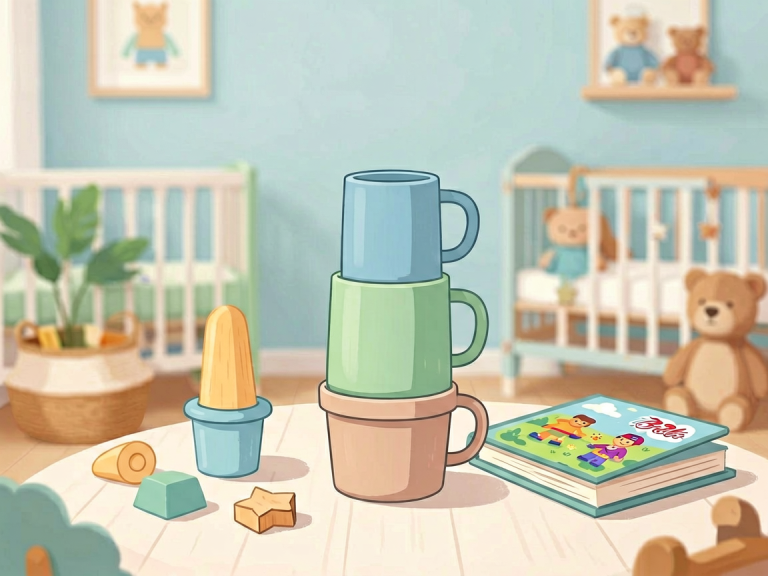
Introduce a set of soft stacking cups or a large, baby-safe puzzle with knobs. Demonstrate how to nest the cups or fit the puzzle piece into its slot, then let your baby try. They may not succeed immediately, but the process of grasping, releasing, and attempting to match shapes is invaluable for developing the small muscles in the hands and fingers. Praise every attempt—even knocking over a stack of cups is a learning experience about cause and effect.
—
Social and Emotional Bonding Activities
The after-school hours are a prime time for reconnection. Babies who have been away from their primary caregiver often show increased clinginess or even a brief "avoidance" phase (looking away when you approach, then turning back). This is a normal part of attachment. Responding with warm, playful interactions can repair any momentary disconnection.
1. Face-to-Face Peek-a-Boo Variations
Classic peek-a-boo never gets old. But to boost its developmental impact, try different variations. Hide your face behind a sheer scarf, a pillow, or your hands, then reveal it with an exaggerated “Boo!” Pause longer than usual sometimes to build anticipation. You can also cover your baby’s face with a light muslin cloth (always remove it yourself to ensure safety) and let them pull it off. This teaches object permanence and triggers joyful laughter, which releases endorphins and strengthens emotional bonds.
2. Singing and Dancing Together
Put on a gentle, rhythmic song (like a lullaby or a soft folk tune) and hold your baby securely while swaying or bouncing slowly. Sing along in a soft voice, making eye contact and smiling. For babies who can sit independently, sit facing each other and clap your hands to the beat. You can also bounce them gently on your lap while singing “The Wheels on the Bus” with hand motions. The combination of rhythm, touch, and your voice is one of the most powerful bonding tools available.
3. Mirror Play
Sit with your baby in front of a large, unbreakable mirror. Point to their reflection and say their name, then point to yourself: “Look, there’s [baby’s name]! And there’s Mama/Dada.” Make silly faces—big smiles, puffed cheeks, a frown—and see if your baby tries to imitate you. This activity builds self-awareness and social referencing. Older babies may even start to wave at themselves, which is an early sign of recognizing their own identity.
—
Quiet Time Activities to Wind Down
As the afternoon edges toward evening, most babies need a gradual transition to a calmer state before bath and bedtime. Quiet play activities can help lower arousal levels while still offering gentle engagement.
1. Sensory Bags for Visual Focus
Seal a small amount of colored water, hair gel, or baby oil inside a strong ziplock bag (double-bag for safety and tape the top shut). Add a few small objects like buttons, glitter, or beads (make sure they are large and cannot escape if the bag leaks). Lay the bag flat on the floor or tape it to a window. Your baby can tap, squish, and watch the contents move. This mesmerizes many babies and encourages focused visual tracking, which is a precursor to reading skills.
2. Simple Book Sharing
Choose board books with high-contrast images, textures, or sound buttons. Sit on a soft rug or in a rocking chair and let your baby “help” turn the pages (even if they just grab and chew them). Point to pictures and make corresponding sounds: “That’s a dog. Woof woof!” Keep the tone soft and unhurried. Even a three-minute book session can become a special ritual that signals that the busy part of the day is ending.
3. Baby Massage
Lay your baby on a soft blanket or changing pad and use a small amount of baby-safe lotion to gently massage their legs, arms, back, and feet. Use long, slow strokes and speak in a calm, quiet voice. This activity reduces cortisol levels, improves circulation, and promotes deeper sleep. It also gives your baby undivided, loving attention without any expectation of performance—a perfect way to close the playtime window.
—
Conclusion
The hours after school or after a day of structured care can easily become a stressful scramble to prepare dinner, tidy up, and manage a tired baby. Yet by intentionally weaving in short, developmentally rich play activities, you can transform this period into a sanctuary of connection and growth. Remember that the goal is not to complete a long list of games, but to follow your baby’s cues and engage with presence and warmth. Sensory exploration, motor challenges, social bonding, and quiet wind-downs all have their place. Your baby does not need elaborate toys or perfect execution—they need you, your voice, your touch, and your joyful attention. So take a deep breath, get down on the floor, and let the simple magic of after-school play begin. The benefits will echo far beyond the early years, building a foundation of trust, curiosity, and resilience that lasts a lifetime.