The Ultimate Fine Motor Toys Guide for Parents: Building Skills Through Play
Introduction
As a parent, you witness your child’s world expand every day — from their first clumsy grasp of a rattle to the triumphant threading of a bead onto a string. These seemingly small milestones are actually monumental achievements in the development of fine motor skills. Fine motor skills involve the coordination of small muscles in the hands, fingers, and wrists, and they are essential for tasks like writing, buttoning a shirt, using scissors, and even eating with utensils. While these abilities develop naturally over time, the right toys can accelerate and enrich that process, turning everyday play into powerful learning experiences.
This comprehensive guide is designed to help parents navigate the vast landscape of fine motor toys. Whether you have a curious infant, a busy toddler, or a preschooler preparing for kindergarten, you will find practical advice on what to look for, which toys work best at each stage, and how to create a supportive play environment. Let’s dive into the world of fine motor play and discover how the right tools can build confidence, independence, and lifelong skills.
Why Fine Motor Skills Matter More Than You Think
Before exploring specific toys, it’s important to understand why fine motor development deserves your attention. These skills are the foundation for many everyday activities that children will need for school and life. When a child learns to pick up a small object with their thumb and index finger (the pincer grasp), they are not just playing — they are strengthening neural pathways that will later enable them to hold a pencil correctly. Similarly, manipulating toys that require twisting, squeezing, or stacking builds hand strength and dexterity.
Beyond academics, fine motor skills are closely tied to self-care. A child who can zip their own jacket, snap buttons, or open a lunchbox feels a sense of autonomy. This independence boosts self-esteem and reduces frustration. In social settings, fine motor play often involves sharing, turn-taking, and cooperative tasks, which nurture emotional and social growth. Moreover, research shows that early fine motor skills are predictive of later cognitive abilities, including math and reading. Investing in fine motor toys is therefore an investment in your child’s whole development.
Key Considerations Before Buying Fine Motor Toys
Not all toys marketed as “fine motor” are created equal. To make wise choices, keep these factors in mind:
- Age Appropriateness: A toy that challenges a three-year-old may frustrate a one-year-old. Always check the age recommendation, but also observe your child’s individual readiness. Some children advance faster in fine motor skills, while others need more time.
- Material Safety: Young children explore with their mouths. Ensure toys are made from non-toxic materials, free from small parts that could be choking hazards, and durable enough to withstand enthusiastic use.
- Gradual Challenge: The best fine motor toys offer a “just-right” level of difficulty — not too easy that they bore the child, not too hard that they cause meltdowns. Look for toys with adjustable features or multiple ways to play.
- Open-Ended Play: Toys that can be used in many ways (like blocks, beads, or play dough) encourage creativity and sustained engagement. Rigid toys with only one correct use may limit exploration.
- Real-World Connection: Toys that mimic real activities (like pretend cooking or tool sets) help children transfer skills to daily life.
Age-by-Age Guide to Fine Motor Toys
Birth to 12 Months: Sensory Exploration and Grasping
In the first year, babies progress from reflexive grasping to intentional reaching and holding. Their hands are their first tools for learning about the world. Ideal toys for this stage include:
- Soft Rattles and Teethers: Easy to grasp, they encourage hand-eye coordination as the baby shakes them and hears the sound. Look for ones with different textures to stimulate tactile senses.
- Activity Gyms and Play Mats with Hanging Toys: Reaching up to bat at dangling objects strengthens shoulder and arm muscles, which are precursors to fine motor control.
- Stacking Rings: Though the baby may not yet stack them properly, holding and mouthing the rings introduces the concept of size and grip. Choose rings with varying diameters.
- Crinkle Cloth Books: These lightweight books invite grasping and turning pages. The crinkle sound provides auditory feedback.
- Simple Puzzles with Large Knobs: Chunky puzzles with knobs help babies practice the pincer grasp as they lift pieces. Start with one or two pieces.
12 to 24 Months: Pincer Grasp and Object Manipulation
Toddlers become more precise. They can pick up small items like cereal pieces and are eager to imitate adult actions. Toys for this age should encourage finger isolation and hand strength:
- Shape Sorters: Classic shape sorters require the child to match shapes to holes, developing problem-solving and hand-eye coordination. Look for sorters with a variety of shapes and colors.
- Large Peg Boards: Pegs with knobs or small handles help refine the pincer grip. Children enjoy inserting and removing pegs repeatedly.
- Nesting and Stacking Cups: These foster spatial awareness and grasping. Encourage your toddler to stack them in different orders.
- Pulling and Pushing Toys with Strings: A toy on a string that the child pulls behind them strengthens the whole hand and wrist. This also supports walking and balance.
- Simple Crayons and Chunky Chalk: While scribbles may seem random, gripping short, thick crayons builds the tripod grasp needed for writing later. Choose washable options.
24 to 36 Months: Twisting, Turning, and Building
Preschool years bring greater control. Children can now perform more complex actions like twisting lids, stringing large beads, and using simple tools. Recommended toys:
- Lacing Beads and Cards: Threading a string through beads or cards demands precise hand-eye coordination and patience. Start with large beads and a stiff lace, then progress to smaller ones.
- Toy Screws and Bolt Boards: These toys feature plastic screws and bolts that children twist with their fingers or with a toy screwdriver. They strengthen the rotating motion of the wrist and fingers.
- Play Dough with Tools: Rolling, pinching, cutting, and stamping play dough provides excellent hand exercise. Add cookie cutters, plastic knives, and rolling pins for variety.
- Wooden Train Sets and Magnetic Tiles: Connecting tracks or clicking magnetic tiles together requires fine motor precision and bilateral coordination (using both hands simultaneously).
- Scissors with Blunt Tips: Child-safe scissors allow cutting play dough or paper strips. Supervision is essential, but cutting is a fantastic fine motor workout.
Ages 3 to 5: Precision, Dexterity, and Pre-Writing Skills
As children approach kindergarten, fine motor demands increase. They need to manipulate small objects, form letters, and manage fasteners. The following toys are ideal:
- Tongs and Tweezers Activities: Transferring pom-poms, beans, or small toys using tongs or tweezers builds the same muscles used for pencil grip. Include sorting trays for color or size classification.
- Pattern Blocks and Pegboards: Creating patterns with small geometric shapes requires careful placement and visual-spatial reasoning. These are excellent for developing finger strength.
- Buttoning, Zipping, and Lacing Boards: Practice boards that simulate clothing fasteners teach self-care skills in a playful context. They also refine bilateral coordination.
- Junior Lace-Up Cards and Sewing Kits: Lacing cards with holes and plastic needles help children practice in-and-out movements similar to writing.
- Construction Sets with Small Pieces: Sets like LEGO Duplo or magnetic blocks encourage building from imagination, demanding precision and planning.
- Sand and Water Play Tools: Pouring, scooping, and sifting with small cups, funnels, and sieves provide sensory fine motor practice.
Ages 5 and Up: Refinement and Creative Expression
Older children benefit from activities that combine fine motor skills with complex tasks:
- Bead Weaving and Friendship Bracelets: These involve threading tiny beads, tying knots, and following patterns — excellent for concentration and dexterity.
- Origami and Paper Crafts: Folding paper precisely builds hand strength and spatial awareness. Follow simple instructions together.
- Drawing, Coloring, and Tracing Activities: Encourage writing practice with pencils, markers, and chalk. Use mazes, dot-to-dots, and letter tracing worksheets.
- Modeling Clay and Pottery Tools: Kneading and shaping clay requires sustained effort from hand muscles.
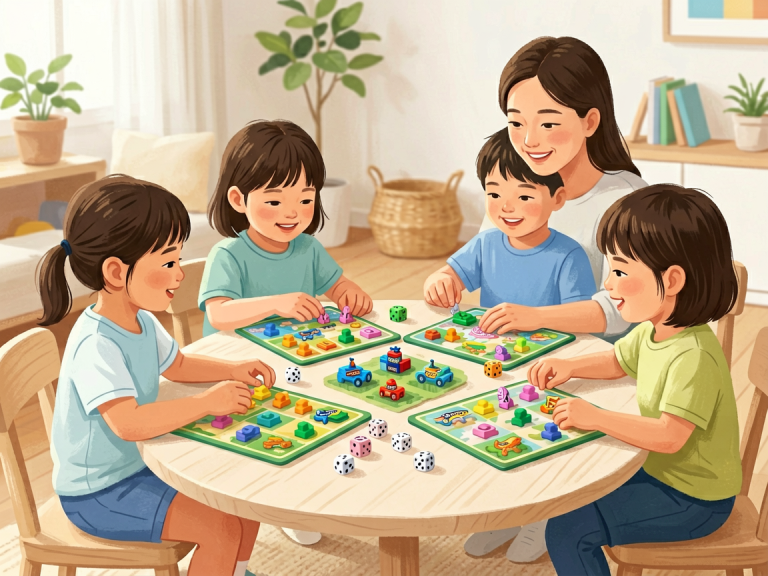
- Board Games with Small Pieces: Games like checkers, memory match, or marble runs demand careful fine motor movements.
Safety Tips for Fine Motor Toys
No guide is complete without addressing safety. Always:
- Inspect toys regularly for loose parts, sharp edges, or broken pieces.
- Follow age labels strictly, especially for choking hazards. A toy labeled for 3+ may contain small parts that can block an infant’s airway.
- Supervise play with any toy that involves strings longer than 12 inches (risk of strangulation), scissors, or small magnets.
- Avoid magnets in toys for children under 6 unless securely enclosed. Swallowed magnets can cause serious internal injury.
- Clean toys frequently, especially those that go in the mouth. Use warm soapy water or a mild disinfectant wipes.
- Store toys in accessible containers so children can choose and put away items, which also teaches responsibility.
How to Support Your Child’s Fine Motor Development Beyond Toys
Toys are powerful, but everyday activities are equally valuable. Encourage your child to:
- Feed themselves with utensils (starting with spoons, then forks).
- Help with simple chores like wiping tables, pouring water from a small pitcher, or sorting socks.
- Dress independently — practice zipping, buttoning, and snapping.
- Cook together by mixing batter, rolling dough, or washing vegetables.
- Play with household items like empty containers, clothespins, or cardboard boxes.
Your attitude matters most. Praise effort, not perfection. If your child struggles, simplify the activity rather than taking over. Let them experience the satisfaction of “I did it myself!”
Conclusion: Play is the Work of Childhood
Choosing fine motor toys doesn’t have to be overwhelming. Remember that the best toys are those that engage your child’s hands, mind, and heart. They don’t need to be expensive or high-tech — often, the simplest materials offer the richest opportunities for development. As you watch your child grasp, twist, stack, and create, you are witnessing the building blocks of a capable, confident individual.
By offering a variety of age-appropriate fine motor toys and incorporating play into daily routines, you give your child the gift of independence and a lifelong love for learning. So go ahead — pull out those stacking cups, roll that play dough, and string those beads together. Every small movement is a giant step forward.