The Heart of Connection: Nurturing Social Play Activities at Home
Introduction
In an era dominated by digital screens, structured extracurriculars, and fast-paced routines, the concept of “play” has often been stripped of its social essence. Yet, social play—the kind that involves cooperation, negotiation, shared laughter, and spontaneous creativity—remains one of the most powerful tools for human development. While schools and playgrounds traditionally serve as arenas for such interactions, the home offers a uniquely intimate, flexible, and emotionally safe environment for social play activities. This article explores the profound value of fostering social play within the household, presents a diverse range of engaging activities suitable for different ages and group sizes, and offers practical strategies for parents and caregivers to facilitate these experiences. By intentionally weaving social play into the fabric of daily home life, families can strengthen bonds, build essential life skills, and create lasting memories—all within the walls of their own living spaces.
The Psychological and Developmental Significance of Social Play at Home
Before diving into specific activities, it is crucial to understand *why* social play at home matters. Research in developmental psychology consistently highlights that unstructured, peer- or family-based play is a cornerstone of social-emotional learning. When children engage in social play at home, they practice perspective-taking, emotional regulation, conflict resolution, and collaborative problem-solving in a low-stakes environment. Unlike the competitive or performance-driven settings of organized sports or academic tasks, home-based play allows for trial and error without fear of judgment.
Moreover, the home environment provides continuity. Children who regularly participate in social play with siblings or parents develop a stronger sense of security and belonging. This emotional foundation enables them to approach external social situations—such as school or community groups—with greater confidence. Additionally, social play at home can bridge generational gaps. Grandparents, parents, and children interacting through games or storytelling create a shared cultural and emotional vocabulary that strengthens family identity. In essence, the living room, kitchen, or backyard becomes a laboratory for life’s most important relational skills.
A Rich Tapestry of Social Play Activities for the Home
The beauty of home-based social play is its boundless variety. Activities can be adapted to available space, the number of participants, and the ages and interests of those involved. Below are several categories of social play, each with concrete examples that encourage cooperation, communication, and joy.
1. Cooperative Board and Card Games
Board games and card games are classic vehicles for social interaction, but the key is selecting games that emphasize cooperation over competition—or at least foster healthy, communicative competition. For younger children, games like “Hoot Owl Hoot!” or “Outfoxed!” require players to work together to achieve a common goal, teaching teamwork and shared decision-making. For older children and adults, cooperative games such as “Pandemic” or “Forbidden Island” demand strategic discussion, resource allocation, and mutual support. Even competitive games, like “Codenames” or “Charades,” can be reframed as opportunities for social bonding, as they rely heavily on verbal and non-verbal communication, guessing, and laughter. The act of gathering around a table, taking turns, and reacting to each other’s moves creates a microcosm of social dynamics that can be both educational and deeply fun.
2. Imaginative and Dramatic Play
Pretend play is one of the most powerful forms of social play, especially for children aged three to eight. At home, this can take endless forms: setting up a “restaurant” in the kitchen where siblings take orders and “cook” with toy food; building a “fort” out of blankets and pillows that becomes a spaceship, a castle, or a hospital; or staging a puppet show using socks or paper bags. These activities require children to negotiate roles, invent storylines, and respond to each other’s improvisations. Parents can join in by taking on a character—perhaps a clumsy waiter or a grumpy dragon—modeling complex language and emotional expression. The key is to follow the children’s lead, allowing their creativity to guide the play. Imaginative play at home strengthens empathy, as children must consider what another person’s character might feel or want.
3. Physical and Active Social Games
Not all social play is sedentary. Active games can be adapted to indoor or outdoor home spaces. Simple classics like “Hide and Seek,” “Duck, Duck, Goose,” or “Musical Chairs” never lose their appeal and naturally encourage social interaction through anticipation, laughter, and gentle physical contact. For smaller spaces, games like “Statues” (where one person spins others and they must freeze in silly poses) or “Simon Says” require focused listening and group synchronization. More elaborate options include creating an indoor obstacle course using pillows, chairs, and tape, where family members take turns guiding each other through with verbal instructions—a powerful exercise in trust and communication. Even a lively game of “Freeze Dance” can become a social ritual, with everyone laughing as they strike absurd poses.
4. Collaborative Art and Construction Projects
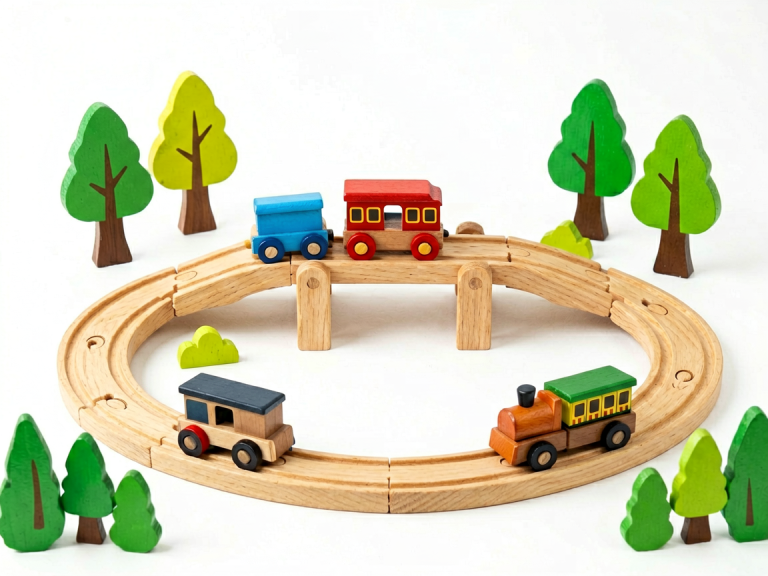
Art and building projects offer a quieter but equally rich avenue for social play. A large sheet of paper spread on the floor, with multiple crayons or markers, invites co-creation. Children can decide together what to draw—a shared city, a fantastical creature, or a family portrait—negotiating every addition. Similarly, building with LEGO bricks, blocks, or magnetic tiles becomes social when the goal is shared: a skyscraper tall enough to hold a toy, a maze for a marble, or a bridge that can bear weight. These activities foster planning, compromise, and appreciation for each other’s contributions. Parents can facilitate by asking open-ended questions: “What would happen if we added a tower here?” or “How can we make this structure stronger together?” The process, not the product, is what matters most.
5. Storytelling and Imaginative Narration
Oral storytelling is an ancient form of social play that requires no materials—only voices, ears, and imagination. One popular activity is the “round-robin story,” where one person begins a tale with a sentence, the next adds a sentence, and so on, building a narrative that often takes hilarious or surprising turns. This encourages active listening, creative thinking, and collaborative plot development. Another variant is “story dice” or using picture cards; family members take turns drawing a card and incorporating it into the ongoing story. For younger children, acting out favorite books together—with sound effects and dramatic voices—transforms reading into a shared, embodied experience. These storytelling rituals not only strengthen family bonds but also enhance language skills and narrative intelligence.
6. Cooking and Baking as Shared Play
The kitchen is an underappreciated stage for social play. Cooking together involves division of labor, following steps, and, most importantly, enjoying the fruits of cooperation. Younger children can wash vegetables or stir batter, while older ones measure ingredients or read recipes aloud. The social element emerges naturally: deciding who does which task, tasting and adjusting flavors, and laughing over a spilled flour incident. Baking cookies or making pizza can become a weekly tradition where every family member contributes to the final creation. The act of sharing food afterward reinforces the sense of communal achievement. Moreover, cooking teaches patience, sequencing, and the value of joint effort—all wrapped in a delicious reward.
7. Music, Dance, and Rhythm Games
Music brings people together like few other activities. At home, families can create a “band” using simple instruments or household items—pots and wooden spoons, shakers made from rice in a bottle, or a kazoo. Playing along to a favorite song, taking turns leading a rhythm, or inventing a silly dance routine are all forms of social play that require coordination and responsiveness. Games like “musical statues” or “follow the leader” with dance moves can be adapted for the living room. For a more structured activity, family members can write lyrics to a simple tune or create a soundscape for a story. These musical interactions foster attunement—the ability to match and respond to another’s emotional and rhythmic cues—which is fundamental to social connection.
How to Cultivate an Environment That Invites Social Play
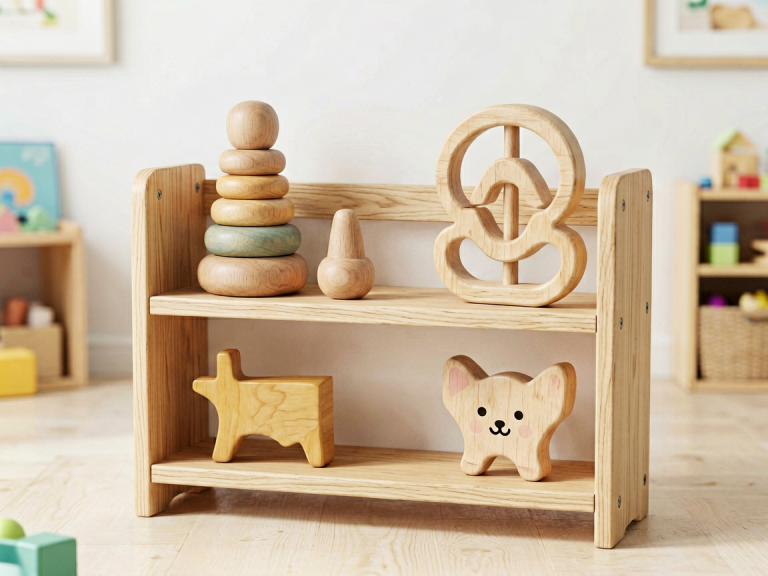
Creating a home where social play flourishes requires intentionality, but not complexity. First, designate a space that is relatively free from distractions, particularly screens. A corner of the living room with a rug, some cushions, and accessible toys or game shelves can become a “play hub.” Rotating toys and materials periodically keeps interest fresh. Second, establish routines that include “free play” time—unstructured periods where children are encouraged to initiate activities with siblings or parents. Even 20 minutes per day can yield significant benefits. Third, model playful behavior. When adults join in with genuine enthusiasm, they signal that play is valuable. Letting go of perfectionism (messes are okay!) and embracing silliness lowers the barrier for everyone.
It is also important to respect individual differences. Some children may prefer high-energy games, while others gravitate toward quiet collaborative art. Offering choices and rotating activities ensures that all family members feel included. Additionally, avoid over-scheduling. The best social play often emerges spontaneously—a pillow fight after homework, an impromptu tea party, or a shared giggle over a funny memory. Parents can nurture this by being present and responsive, watching for moments of connection and gently expanding them.
The Multifaceted Benefits of Home-Based Social Play
The outcomes of consistent social play at home ripple far beyond immediate enjoyment. For children, these activities build executive function skills—working memory, cognitive flexibility, and self-control—as they must follow rules, adapt to others’ ideas, and manage impulses. Emotional intelligence grows as they navigate winning and losing, sharing, and expressing frustration constructively. Social play also reduces stress; the release of endorphins during laughter and physical activity creates a positive emotional climate in the home.
For the family as a whole, regular social play strengthens the attachment bond. Shared experiences, inside jokes, and cooperative challenges create a reservoir of positive memories that fortify relationships during difficult times. Siblings who play together learn to negotiate and forgive, reducing rivalry. Parents who play with their children see them in a different light—not as students to be taught but as creative, funny, and capable partners. This shift in perspective can profoundly enhance family dynamics.
Conclusion: The Home as a Playground for Connection
In a world that often prioritizes productivity and achievement, it is easy to overlook the simple, profound act of playing together at home. Yet social play activities are not frivolous; they are the building blocks of empathy, cooperation, and joy. Whether through a cooperative board game, a shared story, a kitchen dance party, or a messy art project, every moment of social play is an investment in the emotional health and resilience of every family member. The home, with all its imperfections, becomes a sanctuary of laughter and connection. By embracing and intentionally cultivating social play within these walls, families can create a lifelong foundation of love, understanding, and shared delight—one game, one giggle, one hug at a time.
Start with the complete guide: The Best Toys for Social Play: Building Connection, Cooperation, and Communication Through Play.