Learning Through Play: Five Critical Mistakes to Avoid for Truly Meaningful Growth
Play is often called the “work of children,” and for good reason. Decades of research in developmental psychology, neuroscience, and education have shown that play is a powerful vehicle for learning—fostering creativity, problem-solving, social skills, and emotional resilience. Yet, in the rush to harness play’s benefits, many parents, educators, and caregivers inadvertently fall into traps that undermine its very essence. They try to control play, measure it, or turn it into a disguised lesson plan. The result? The magic fades, and the child’s natural curiosity dims. Understanding the mistakes to avoid in learning through play is just as important as understanding play itself. Below are five critical errors that can derail the process, along with practical guidance on how to steer clear of them.
Mistake #1: Over-Structuring the Play Experience
One of the most common misconceptions is that if play is to be educational, it must be carefully designed, timed, and directed by an adult. Well-intentioned parents might set up elaborate “learning stations” with specific goals—build a tower with exactly ten blocks, complete a puzzle in under five minutes, or sort shapes by color and size. While these activities have their place, when they become the norm, they rob children of the unstructured, self-directed exploration that makes play so powerful.
The mistake here is confusing *play* with *instructional activity*. True play is open-ended. It allows a child to decide what to do, how long to do it, and when to change course. When an adult imposes rigid rules or a predetermined outcome, the child shifts from intrinsic motivation (“I wonder what happens if I put this block here?”) to extrinsic compliance (“I have to do this to get a sticker”). This shift can kill the joy and, ironically, limit the depth of learning.
How to avoid it: Instead of micromanaging, observe. Provide a rich environment with varied materials—blocks, sand, water, costumes, art supplies—and then step back. Let the child lead. If a child wants to use a paintbrush to “clean” a toy car instead of painting a picture, that’s fine. That imaginative leap is where cognitive flexibility grows. Resist the urge to “correct” the play; your role is to be a safe, encouraging presence, not a director.
Mistake #2: Treating Play as a Mere Reward or Break
Another frequent error is to compartmentalize play. Many schools and homes adopt a “work first, then play” mentality. Play becomes a prize for finishing homework, a recess to “burn off energy,” or a weekend treat after a week of structured learning. This segregation sends a subtle but damaging message: play is the opposite of learning; it is a reward, not the learning itself.
In reality, play is a primary mode through which young children construct understanding of the world. When a child pretends to run a grocery store, they are learning about numbers, money, social transactions, and categorization. When they build a fort, they experiment with physics, geometry, and teamwork. If play is only allowed after “real” learning is done, children may internalize that what they truly enjoy is less valuable than what they are forced to do. This can erode their natural love of discovery.
How to avoid it: Integrate play into the learning day. For example, if a child is learning about animals, don’t just read a book—set up a pretend zoo with stuffed animals, or create a muddy “habitat” in the sandbox. In a classroom, use playful approaches like dramatic play, games, and exploration to teach core concepts. In a home, allow for long, uninterrupted blocks of free play, especially for children under seven. Recognize that a child deeply engaged in imaginative play is doing serious intellectual work.
Mistake #3: Fear of Mess and Failure
Play, by its nature, is messy—both literally and figuratively. A child learning to pour water from a pitcher will spill. A child building a tower will see it crash. A child mixing colors will produce brown sludge. In a culture obsessed with efficiency and cleanliness, many adults step in too quickly to prevent mess or failure. They wipe up spills before the child can observe the puddle’s shape, they rescue the toppling tower, or they correct the color mixing. This well-meaning intervention actually robs the child of invaluable learning opportunities.
Mistakes in play are not setbacks; they are experiments. When a block tower falls, the child learns about balance, gravity, and cause and effect. When paint mixes into mud, they discover color theory through trial and error. When they spill water, they learn about volume and absorption. If an adult constantly prevents these moments, the child never develops the resilience to try again, nor the critical thinking to adjust their approach.
How to avoid it: Embrace the mess. Create a safe space where spills are okay—use washable materials, cover surfaces, dress children in old clothes. When a mistake happens, resist the urge to fix it. Instead, ask open questions: “What happened? Why do you think it fell? What could you try next?” Let the child sit with the frustration briefly; it builds perseverance. The goal is not to produce a perfect product, but to support a process of discovery. Remember, the mess can always be cleaned up, but the loss of a learning moment is permanent.
Mistake #4: Imposing Adult Expectations and “Teaching” During Play
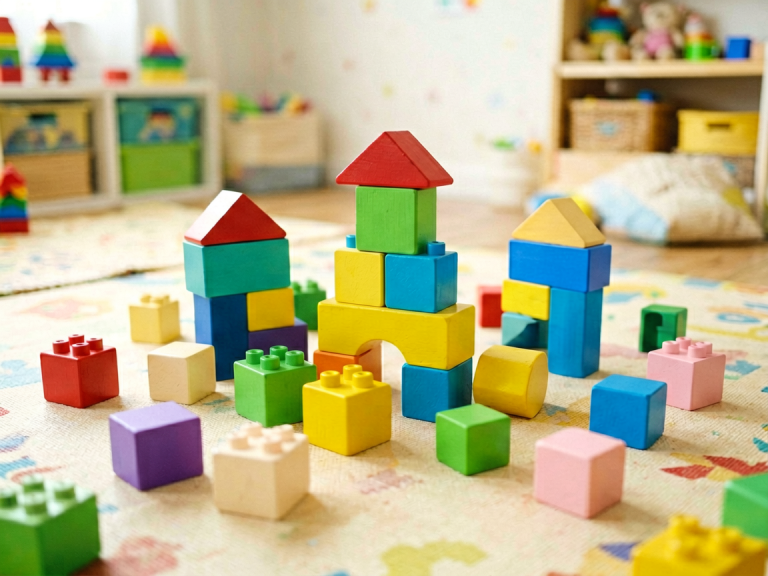
A well-known parent walks into the playroom and sees her child stacking blocks. She immediately crouches down and says, “Let’s count them! One, two, three…” or “What color is this block? Red? Good!” This is sometimes called “helicopter teaching.” While the intention is to boost academic skills, it can interrupt the child’s own flow of thought. The child may have been silently noticing the weight of the block or imagining a castle. The adult’s prompt redirects attention to a narrow, predetermined skill, diminishing the richness of the play.
Moreover, when adults take over the narrative, children may become dependent on external validation. They start to play for the adult’s approval rather than for their own satisfaction. This can lead to a loss of autonomy, which is a core component of deep learning through play.
How to avoid it: Observe first, then join the play only if invited, and even then, follow the child’s lead. If the child is stacking blocks, you might simply sit nearby and stack your own blocks in a different way. Describe what *you* are doing without directing the child: “I’m putting a small block on top of a big one. I wonder if it will balance.” This models language and thought without demanding anything. Ask open-ended questions sparingly, and only when the child seems open to conversation: “What are you building? How did you decide to put that there?” The key is to be a companion, not a teacher. The learning will happen organically.
Mistake #5: Equating All Play with Screen-Based or Highly Structured Games
In the digital age, many parents have turned to educational apps, video games, and structured online programs as a form of “educational play.” While some screen-based activities can have value—especially for older children—they often lack the sensory, social, and physical dimensions of true, embodied play. A child tapping on a tablet to drag-and-drop shapes is not the same as a child physically handling wooden blocks, feeling their texture, balancing them, and negotiating space with a friend.
Another variant of this mistake is equating play with organized sports or formal classes (piano, ballet, coding). These are valuable, but they are not the same as free play. In a soccer practice, the coach dictates drills. In a piano lesson, the teacher sets the agenda. True play requires that the child have genuine control over the activity—including the option to stop, change the rules, or invent something new. When all of a child’s “play” time is adult-directed, they miss out on the chance to develop executive functions like self-regulation, decision-making, and creativity.
How to avoid it: Prioritize unstructured, physical, and social play. Limit screen time for young children (under two, avoid screens entirely; for older, ensure balance with real-world play). For every hour of structured extracurricular activity, aim for at least an hour of free, unstructured play—preferably outdoors. Provide loose parts like sticks, stones, fabric, and boxes. Encourage mixed-age play groups where children learn to negotiate and create their own games. Resist the pressure to fill every moment with “productive” activity. Boredom, followed by self-initiated play, is one of the most fertile grounds for innovation.
Conclusion: Play as a Sacred Space
Learning through play is not a luxury; it is a biological and psychological necessity for healthy development. But its power is fragile. It can be crushed by adult anxiety, by the drive for measurable outcomes, or by a fear of disorder. The mistakes outlined above—over-structuring, segregating play from learning, fearing mess, imposing adult agendas, and substituting real play with digital or organized activities—are all rooted in a misunderstanding of what play truly is.
Play is voluntary, intrinsically motivated, process-oriented, and often full of pretend. When we respect these qualities, we unlock a child’s deepest capacity for learning—not just academically, but emotionally and socially. The antidote to these mistakes is simple but hard: trust the child, provide a rich environment, and then get out of the way. Observe with wonder. Celebrate the spills and the collapses. Let the child lead, and you will witness learning that no worksheet, app, or lesson plan could ever produce.
In the end, the greatest gift we can give children is not a perfectly designed educational toy, but the freedom to explore, make mistakes, and discover the joy of figuring things out on their own. That is the heart of learning through play—and the best way to avoid the mistakes that would steal it.