Navigating the Landscape of Play: A Guide to Managing Age-Appropriate Play for Children
Introduction
Play is the universal language of childhood, but its nature transforms dramatically as a child grows. For parents, educators, and caregivers, understanding how to manage age-appropriate play is not merely about selecting the right toys—it is about creating an environment that nurtures cognitive, social, emotional, and physical development at each stage. Mismanaged play can lead to frustration, boredom, or even safety hazards, while well-directed play builds resilience, creativity, and confidence. This article provides a comprehensive roadmap for managing play across childhood, from infancy through adolescence, with practical strategies that respect a child’s evolving abilities and interests.
—
Understanding the Foundations: Why Age-Appropriate Play Matters
Before diving into specific age groups, it is essential to grasp the developmental rationale behind age-appropriate play. Children’s brains grow at an astonishing rate, and play serves as the primary vehicle for learning. A newborn exploring a rattle is not just making noise; they are developing hand-eye coordination, cause-and-effect reasoning, and auditory discrimination. A teenager strategizing in a board game is honing executive functions like planning, impulse control, and social negotiation. When play is mismatched—for instance, expecting a two-year-old to follow complex rules or giving a ten-year-old baby toys—the developmental benefits diminish, and the child may lose intrinsic motivation. Managing play means aligning the play’s structure, materials, and social demands with the child’s current neural and physical capacities. This alignment fosters a state of “flow,” where the challenge is just right—neither too easy nor too hard—keeping the child engaged and learning.
—
Infants (0–12 Months): Sensory Exploration and Bonding
During the first year, play is fundamentally about sensory discovery and attachment. Infants learn through their mouths, eyes, ears, and touch. The key to managing play for this age is to provide safe, stimulating objects that invite exploration without overwhelming the nervous system.
Practical Management Strategies:
- Follow the infant’s lead: Observe what the baby is interested in—a crinkly paper, a dangling mobile, or your own face. Respond by narrating or mimicking their actions. This reciprocal interaction builds social-emotional bonds.
- Rotate toys regularly: Because infants habituate quickly, a limited selection of 3–4 objects at a time (soft blocks, textured balls, rattles) can be rotated weekly to maintain novelty and focus.
- Prioritize tummy time and freedom of movement: Place a few toys just out of reach to encourage reaching, rolling, and eventually crawling. Avoid propping the baby up with too many pillows, as this restricts active exploration.
- Manage safety rigorously: Check for small parts, sharp edges, and non-toxic materials. Ensure that all play occurs in a clean, baby-proofed area where the infant can safely mouth objects.
One common pitfall is over-stimulation. A room full of flashing lights, loud sounds, and multiple toys can cause an infant to cry or become unfocused. Manage the environment by keeping it calm—soft lighting, one or two items at a time, and your calm, attentive presence.
—
Toddlers (1–3 Years): The Joy of Movement and Imitation
Toddlers are on the move, driven by a fierce urge to walk, run, climb, and imitate adults. Their play is typically solitary or parallel (playing alongside other children without much interaction). The adult’s role is to provide a safe arena for physical risk-taking and to model simple pretend scenarios.
Practical Management Strategies:
- Create “yes” spaces: Designate areas where exploration is unrestricted. For example, a low shelf with board books, a small slide, a basket of chunky puzzles, and a box of dress-up hats. Remove items that are genuinely dangerous and teach boundaries gently.
- Embrace repetition: A toddler may want to fill and dump a bucket of blocks twenty times. This repetition builds mastery and neural connections. Resist the urge to “improve” their play by showing the “correct” way.
- Introduce simple pretend play: Offer realistic props like a toy phone, a plastic cup, or a play kitchen. Join in briefly—pretend to drink from the empty cup—then step back. Toddlers learn by watching you, but they need space to practice their own scripts.
- Manage transitions with warnings: Toddlers struggle to stop playing. Use a timer or a two-minute verbal countdown before mealtime or bath time. Offer a choice (“Do you want to put the truck away or the ball away?”) to give a sense of control.
Avoid pushing social play. Forcing a toddler to share often backfires. Instead, manage the environment with duplicates of popular toys and model turn-taking by saying, “Your turn, then Tommy’s turn,” while using a timer.
—
Preschoolers (3–5 Years): Pretend Play and Social Beginnings
The preschool years are the golden age of imagination. Children engage in elaborate pretend play, create imaginary friends, and begin to cooperate in small groups. They also develop early literacy, numeracy, and motor skills through play. Managing this stage involves balancing free creative play with lightly structured learning opportunities.
Practical Management Strategies:
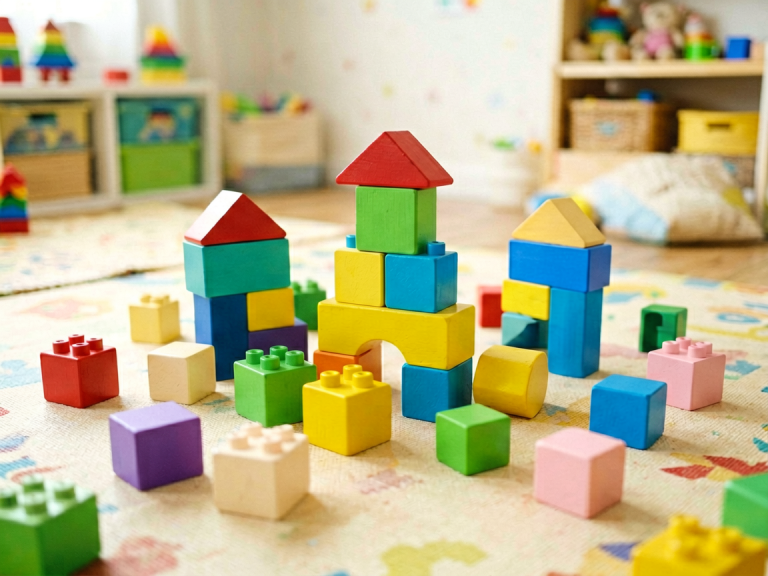
- Provide open-ended materials: Blocks, playdough, art supplies, costumes, and natural items (pinecones, stones) allow limitless creativity. Avoid overly prescriptive toys that dictate how to play.
- Facilitate social play without controlling it: When two preschoolers want the same firefighter hat, guide them to solve the problem: “What can we do? Maybe one of you can be the firefighter and the other can drive the truck?” Then step back to let them negotiate.
- Use play to build academic foundations: A grocery store pretend play can teach counting, categories, and money concepts. Letter magnets on a cookie sheet can spark pre-reading. However, keep these sessions child-led; if the child wants to just stack the magnets, that’s fine.
- Manage screen time carefully: For this age, screen-based “play” (apps, videos) should be extremely limited and always co-viewed with an adult. Prioritize real-world, hands-on, and outdoor play.
A challenge at this stage is the emergence of power struggles. A preschooler may refuse to clean up or insist on a dangerous game. Manage this by offering choices within limits: “Do you want to put the blocks in the blue bin or the red bin?” or “We can play hide-and-seek, but we have to stay in the living room.”
—
School-Age Children (6–12 Years): Rules, Games, and Mastery
As children enter formal schooling, their play shifts dramatically. They become fascinated by rules, both in games and in social interactions. They enjoy board games, sports, video games, collecting, and building complex structures. Their social play becomes highly organized, with clubs, teams, and peer hierarchies. Managing play now means encouraging structured activities while preserving unstructured downtime.
Practical Management Strategies:
- Teach game rules explicitly: Sit down with a simple board game like “Candy Land” or “Sorry!” and walk through the rules together. Allow the child to make mistakes and learn. For sports, focus on participation and skill-building rather than winning.
- Balance competitive and cooperative play: While competition is natural, too much can cause anxiety. Introduce cooperative board games (e.g., “Forbidden Island”) or team activities where everyone works toward a common goal.
- Respect the importance of mastery: School-agers love to collect cards, complete puzzles, or master a video game level. Allow them to repeat the same activity for hours—it builds persistence and expertise. Avoid interrupting to suggest “more productive” activities.
- Manage screen-based play with clear boundaries: Set time limits for video games, but also discuss the content. Choose age-appropriate games that require strategy, reading, or collaboration (e.g., Minecraft, Roblox in creative mode). Use parental controls but also talk about why limits exist.
- Encourage outdoor and physical play: With increasing homework and screen time, children may lose touch with unstructured outdoor play. Schedule regular “green time” where they can run, climb, build forts, or simply explore nature.
A common mistake is overscheduling. Many school-age children are shuttled between piano, soccer, and tutoring, leaving no time for free play. Manage this by deliberately carving out at least an hour of unscheduled, child-directed play each day—even if it looks “unproductive” to adults.
—
Adolescents (13+): Identity, Strategy, and Social Connection
Teenagers may deny that they “play,” but in reality, their play has evolved into sophisticated forms: competitive esports, Dungeons & Dragons, improvisational theater, hiking, or making music. These activities serve critical developmental tasks—identity formation, social belonging, and abstract reasoning. Managing adolescent play is about providing autonomy, access, and appropriate boundaries.
Practical Management Strategies:
- Respect the desire for privacy: Many teens prefer to play online games with friends in their rooms. Rather than banning such play, set reasonable curfews and discuss digital citizenship. Show interest without hovering: ask about their favorite game characters or strategies.
- Support passion projects: If a teen wants to spend hours building a Minecraft city or writing a fan fiction story, celebrate this as creative play. Help them find online communities or local clubs where they can share their interests.
- Encourage physical play that builds confidence: Team sports, martial arts, rock climbing, or dance provide structured physical challenges and a sense of achievement. Let the teen choose the activity; forcing a sport they dislike will kill motivation.
- Facilitate complex social play: Board game cafes, escape rooms, and role-playing games (e.g., Dungeons & Dragons) promote strategic thinking, negotiation, and long-term planning. Host a game night at home and invite friends.
- Manage safety without surveillance: Teens need to take risks in a safe environment. For risky outdoor play (e.g., skateboarding, hiking), ensure they know basic safety rules and have the right gear. For online play, discuss cyberbullying etiquette and privacy settings.
At this age, the adult’s role shifts from director to consultant. Trust the teen’s judgment, but be available to talk through problems that arise from play—for example, a conflict with a gaming partner or an injury from a sport.
—
Common Challenges and How to Overcome Them
Even with the best knowledge, managing age-appropriate play can be fraught with difficulties. Here are three common challenges and solutions:
1. The Overly Structured Schedule: Many parents feel pressure to fill every moment with educational activities. Solution: Intentionally leave gaps in the calendar. Use a simple visual schedule that includes blocks of “free play” and honor them as non-negotiable.
2. Sibling Conflict Over Play: Different ages often clash—a preschooler wants to destroy a school-ager’s Lego castle. Solution: Create “parallel play zones” where each child has a protected area (e.g., a corner with a “keep out” sign). Also, teach conflict resolution scripts: “I see you’re upset. How can we make this fair for both of you?”
3. Screen Addiction: When digital play consumes all free time, it can crowd out other forms of play. Solution: Use a family media plan that designates screen-free times (meals, one hour before bed) and screen-free zones (bedrooms). Model your own balance—put down your phone when you engage with your child.
—
Conclusion
Managing age-appropriate play is both an art and a science. It requires knowing the developmental milestones, but it also demands flexibility, patience, and a willingness to follow the child’s lead. From the infant’s first grasp of a rattle to the teenager’s strategic triumph in a multiplayer game, each phase of play offers a unique window into the child’s mind and heart. By tuning the environment, the materials, and our own adult presence to match the child’s developmental level, we do more than simply entertain—we lay the foundation for a lifetime of curiosity, connection, and joy. The ultimate goal is not to manage play out of existence, but to manage it in such a way that it remains, for every age, a wellspring of authentic discovery.