The Ultimate Parent Guide to Choosing Age-Appropriate Toys for 5-Year-Old Boys
Introduction
Every parent knows the joy of watching their child unwrap a new toy, eyes wide with excitement. But behind that moment of delight lies a more complex question: Is this toy truly right for my child? For parents of five-year-old boys, the landscape of playthings can be overwhelming. Toys are no longer just about keeping little hands busy; they are tools that shape cognitive growth, motor skills, emotional intelligence, and social understanding. At age five, boys are transitioning from toddlerhood into early childhood, bursting with curiosity, energy, and the first sparks of logical thinking. Choosing the wrong toy can lead to frustration, boredom, or even safety hazards, while the right toy can ignite a lifelong love for learning. This guide will walk you through everything you need to know to select toys that match your five-year-old son’s developmental stage, interests, and unique personality.
Why Age-Appropriate Toys Matter
Age recommendations on toy packaging are not arbitrary marketing gimmicks. They are based on child development research, safety regulations, and common behavioral patterns. A toy labeled for ages 3–4 may be too simple for a five-year-old, leading to disengagement. Conversely, a toy designed for seven-year-olds might require skills—like reading complex instructions or fine motor precision—that a five-year-old hasn't yet mastered, resulting in frustration and a loss of confidence. Age-appropriate toys strike the perfect balance: challenging enough to promote growth, yet attainable enough to build self-esteem. Moreover, they minimize choking hazards, toxic materials, and sharp edges that could harm a younger child. For five-year-old boys in particular, the right toy can channel their boundless energy into constructive play, reduce tantrums, and foster independence.
Understanding the Developmental Milestones of a 5-Year-Old Boy
Before diving into toy categories, it’s crucial to understand what a typical five-year-old boy is capable of. While every child develops at their own pace, most share common traits in three key areas:
Cognitive Development
At five, boys are moving from purely concrete thinking to early logical reasoning. They can count to 20 or higher, recognize some letters and numbers, and understand basic concepts like “more” and “less.” Their attention span has lengthened to about 10–15 minutes for a single activity. They are beginning to grasp cause and effect, solve simple puzzles, and follow two- to three-step instructions. However, abstract concepts remain challenging. Five-year-olds also have vivid imaginations and often blur the line between reality and fantasy. This makes them ripe for pretend play, but they still need concrete objects to anchor their ideas.
Physical Development
Gross motor skills are rapidly improving. Five-year-old boys can run, jump, hop on one foot, climb, and kick a ball with accuracy. Fine motor skills are also advancing: they can use scissors with control, draw simple shapes and letters, button shirts, and manipulate small objects like beads or Lego bricks. However, their hand muscles are still developing, so tasks requiring sustained precision can tire them quickly. They have abundant energy and need physical activity to regulate mood and sleep patterns.
Social and Emotional Development
Socially, five-year-old boys are learning to share, take turns, and cooperate in group play. They may start forming friendships based on shared interests rather than proximity. Emotionally, they are more aware of others’ feelings but still struggle with impulse control. They can experience jealousy, frustration, and excitement intensely. Pretend play helps them process emotions and social roles. They also crave praise and clear expectations. Toys that encourage collaborative play or solo imaginative worlds can support their emotional growth.
Categories of Age-Appropriate Toys for 5-Year-Old Boys
Based on these developmental milestones, here are the most beneficial toy categories, with specific examples and tips for selecting them.
Building and Construction Toys
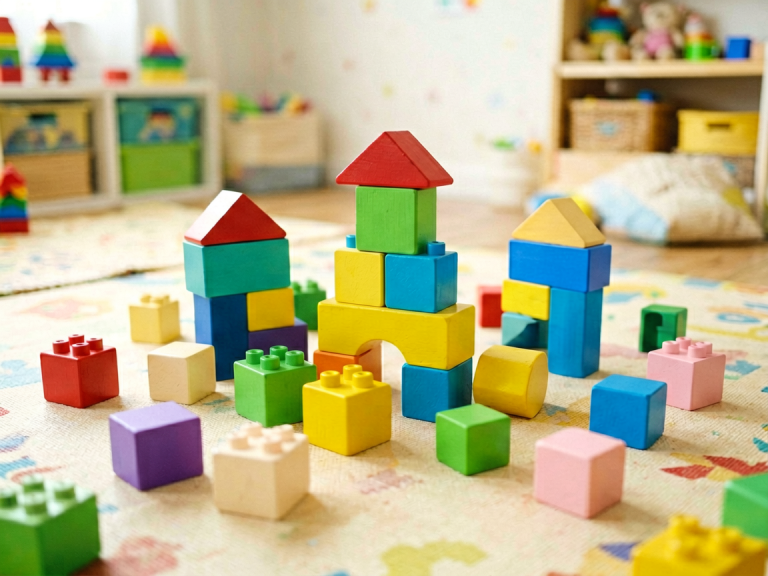
Construction toys are a classic favorite for good reason. They strengthen fine motor skills, promote spatial awareness, and introduce basic engineering concepts. For five-year-old boys, look for sets with larger pieces that are easy to grasp, such as Duplo blocks, magnetic tiles, or wooden block sets. Avoid tiny Lego sets designed for older children, as small pieces pose choking hazards and can overwhelm a five-year-old’s fine motor control. Choose sets that include wheels, doors, and simple instructions for building vehicles, houses, or animals. Open-ended sets that allow free creation are ideal, as they encourage problem-solving and creativity. For example, a set of magnetic tiles can become a castle, a rocket ship, or a bridge, adapting to your child’s changing interests.
Imaginative and Role-Play Toys
Five-year-old boys love to imitate the adult world. Role-play toys let them experiment with different identities and scenarios, building social skills and empathy. Popular options include play kitchens, tool benches, doctor’s kits, and firefighter costumes. Look for durable, gender-neutral options that don’t limit creativity. A simple set of costumes (like a cape, hat, and badge) can spark endless adventures. Also consider props like play money, cash registers, or puppets. These toys not only entertain but also teach vocabulary, sequencing (e.g., “First, you put on the helmet, then you ride the bike”), and emotional regulation. When your son pretends to be a superhero saving the day, he’s practicing bravery and problem-solving.
Active and Outdoor Toys
Given their abundant energy, five-year-old boys need active play opportunities. Outdoor toys that encourage running, jumping, and coordination are essential. Look for tricycles or balance bikes (if he hasn’t mastered a pedal bike yet), scooters, mini basketball hoops, and soccer balls. Jump ropes, parachute games, and simple obstacle course equipment (like cones and hurdles) are also excellent. For indoor active play, consider a small trampoline with a safety handle, foam blocks for building forts, or a lightweight tunnel to crawl through. Sports equipment should be appropriately sized—a too-large ball or heavy bat can cause injury or discouragement. Remember to prioritize safety gear like helmets and knee pads.
Educational and STEM Toys
At five, children are ready for toys that introduce basic science, technology, engineering, and math (STEM) concepts in a playful way. Look for toys that require sorting, matching, counting, or simple pattern recognition. Examples include magnetic counting rods, beginner puzzle sets with numbers and letters, and simple science kits (like growing crystals or making slime). Electronic toys that teach phonics or math through games can be effective, but limit screen time and choose ones that require physical interaction. One highly recommended option is a simple coding toy like a programmable robot that uses buttons instead of screens. For example, the “Botley” robot teaches cause-and-effect logic as your child programs it to move forward, turn, and avoid obstacles. These toys build critical thinking without the pressure of formal academics.
Arts and Crafts
Creativity blossoms at age five. Arts and crafts provide an outlet for self-expression while developing fine motor skills, color recognition, and patience. Stock up on child-safe scissors, glue sticks, construction paper, washable markers, and non-toxic paint. Consider activity sets like sticker mosaics, lacing cards, or wooden stamp sets. Modeling clay or Play-Doh with simple tools (rolling pins, cookie cutters) are excellent for strengthening hand muscles. Five-year-old boys often enjoy making “creations” they can show off—such as paper airplanes, masks, or simple bead jewelry. Avoid messy kits that require heavy supervision; instead, choose projects that can be completed in one sitting to maintain interest.
Board Games and Puzzles
Board games teach turn-taking, patience, and simple strategy—skills that are just emerging in five-year-olds. Choose games with short playtimes (15–20 minutes) and simple rules. Classic options like “Candy Land,” “Chutes and Ladders,” or “Memory” are perfect. Cooperative games (where everyone works together) are especially good for reducing competition anxiety. Puzzles with 24–48 large pieces, featuring favorite characters or scenes, also boost problem-solving skills and visual perception. Look for puzzles with varied piece shapes (not just straight edges) to add challenge without frustration. Playing games as a family also strengthens bonding and language development.
Tips for Choosing the Right Toys
Beyond categories, keep these practical guidelines in mind:
- Follow your child’s interests. A five-year-old boy who loves dinosaurs will learn more from a dinosaur excavation kit than from a generic puzzle. Observe what he talks about, draws, or pretends to be.
- Look for open-ended play potential. Toys that can be used in many ways (e.g., building blocks, art supplies) offer better long-term value than single-purpose battery-operated toys.
- Check for durability. Five-year-olds are not gentle. Look for sturdy plastic, reinforced stitching, and non-breakable parts.
- Avoid overstimulation. Too many flashing lights, loud sounds, or complex features can overwhelm a child’s developing nervous system. Simple, quiet toys often encourage deeper focus.
- Rotate toys. Instead of buying too many at once, keep a box of old toys and swap them every few weeks. This renews interest without spending money.
- Involve your child in the selection. When safe, let him choose between two age-appropriate options. This builds autonomy and ensures he’ll actually play with the toy.
Safety Considerations
Safety is paramount. For five-year-old boys, common risks include:
- Choking hazards from small parts. Avoid any toy with pieces smaller than a 1.25-inch diameter (roughly the size of a ping-pong ball) unless under close supervision.
- Toxic materials. Choose toys labeled “non-toxic” and “BPA-free.” Avoid cheap plastic with strong chemical smells.
- Sharp edges or points. Inspect toys for rough seams or splintered wood.
- Strangulation risks. Remove cords, long strings, or loops from toys. Capes and costumes should have breakaway features.
- Batteries. Ensure battery compartments are secured with screws so children cannot access them.
- Electric toys. Only use low-voltage, safety-certified devices and supervise their use.
Always check age labels, and remember that a toy may be too advanced for your child despite being “age-appropriate” on paper. Use your judgement.
Conclusion
Choosing age-appropriate toys for your five-year-old boy is not about buying the trendiest or most expensive items. It is about understanding his unique developmental stage—his hungry mind, his wiggly body, his growing heart—and selecting playthings that nurture him holistically. From building blocks that teach perseverance to board games that foster patience, from outdoor toys that release boundless energy to craft kits that encourage self-expression, the right toy can turn ordinary moments into opportunities for growth. As you navigate the aisles of toy stores or scroll through online options, remember that the best “toy” is often your presence and engagement. Sit down with him, build a tower, race a car, or simply watch his imagination take flight. In that shared experience, the toy becomes a bridge, and you become his guide to a world of wonder.
By following this guide, you are not just buying a product—you are investing in your son’s future curiosity, confidence, and joy. Happy playing!