The Ultimate Parent Guide to Choosing Age-Appropriate Toys for 8-Year-Olds
—
Introduction
Eight is a magical age. Children at this stage are no longer toddlers or preschoolers, yet they are not quite preteens. They are curious, energetic, and increasingly independent. Their cognitive abilities are expanding rapidly—they can reason, solve complex problems, and understand abstract concepts like cause and effect. Socially, friendships become more meaningful, and cooperation and competition begin to surface. Emotionally, they crave autonomy but still need guidance and reassurance. As a parent, selecting the right toys for your 8-year-old can feel overwhelming. The market is flooded with options, from high-tech gadgets to classic puzzles, and each promises to be the best. However, the key is not to follow trends but to match the toy to your child’s developmental stage, interests, and needs. This guide will walk you through the essential considerations, categories, and practical tips to help you choose toys that will engage, educate, and delight your 8-year-old.
—
Understanding the 8-Year-Old Mind
Before diving into specific toy categories, it’s crucial to understand the developmental milestones of an 8-year-old. At this age, children typically:
- Develop logical thinking: They can understand rules, sequences, and strategies. They enjoy games that require planning and problem-solving, such as chess, checkers, or simple coding puzzles.
- Expand social awareness: Friendships become more complex. They begin to negotiate, share, and work in teams. Cooperative and competitive play both appeal to them.
- Improve fine motor skills: Hand-eye coordination is well-developed, allowing for more intricate crafts, model building, and detailed drawing.
- Seek independence: They want to make their own choices, from what to wear to what to play. Toys that offer customization or open-ended play are highly engaging.
- Display a growing attention span: They can focus on a single activity for 30–60 minutes, making longer board games or complex building sets feasible.
- Show increased physical energy: Running, jumping, climbing, and balancing are still essential. Outdoor play remains vital for their health and mood.
A toy that aligns with these milestones will not only hold your child’s interest but also support their growth in multiple domains—cognitive, social, emotional, and physical.
—
Key Categories of Age-Appropriate Toys
Toys for 8-year-olds can be grouped into several broad categories. Each serves a distinct purpose, and a balanced “toy diet” should include choices from multiple categories. Below, I break down the most effective types, with specific examples and why they work.
STEM and Educational Toys
STEM (Science, Technology, Engineering, and Mathematics) toys are popular for good reason. At age 8, children can grasp basic scientific principles and enjoy hands-on experimentation. Look for kits that allow them to build, test, and modify.
- Example: Snap Circuits or littleBits – These electronic building kits let children create working circuits, alarms, and even radios. They learn about electricity and circuitry in a playful, trial-and-error manner.
- Example: Coding Robots (like Botley or Sphero) – Screen-free coding robots teach sequencing, loops, and conditional logic. Many are designed for ages 5–9, so the complexity is just right.
- Example: Chemistry or Crystal Growing Kits – Simple lab sets with safe chemicals can spark a love for science. Ensure they include clear instructions and adult supervision notes.
- Why it works: These toys encourage critical thinking, patience, and a growth mindset. They also prepare children for future academic subjects without feeling like schoolwork.
Tip: Choose kits that are reusable or have multiple projects. Avoid those with too many small parts that could cause frustration or choking hazards for younger siblings.
Creative and Artistic Toys
Creativity flourishes at 8. Children enjoy expressing themselves through art, music, and storytelling. These toys boost imagination and emotional intelligence.
- Example: Advanced LEGO Classic or Creator sets – While basic bricks are fine, 8-year-olds can handle sets with 300–500 pieces. They enjoy following instructions to build models, then deconstructing them to invent their own.
- Example: Art supplies beyond crayons – Watercolor sets, acrylic paints, modeling clay, or even a simple pottery wheel can captivate. Sketchbooks and how-to-draw books help refine techniques.
- Example: Musical instruments – A ukulele, keyboard, or simple drum pad can introduce music theory. Many children this age start formal lessons, but a toy instrument encourages free play.
- Example: Craft kits (sewing, friendship bracelet making, or origami) – These improve fine motor skills and produce tangible results that boost confidence.
- Why it works: Creative toys provide a healthy outlet for emotions and reduce screen time. They also teach patience and the value of process over product.
Tip: Avoid overly prescriptive craft kits that leave little room for creativity. Opt for open-ended supplies like beads, yarn, or paper.
Outdoor and Physical Activity Toys
Physical activity is non-negotiable for 8-year-olds. They need at least 60 minutes of active play daily. Outdoor toys can make exercise fun and social.
- Example: Bicycles, scooters, or skateboards – Ensure proper safety gear (helmet, knee pads). Riding improves balance, coordination, and cardiovascular health.
- Example: Sports equipment – A soccer ball, basketball hoop, or baseball set encourages group play. Consider adjustable equipment to accommodate growth.
- Example: Active games like a jump rope, hula hoop, or frisbee – These are inexpensive but highly effective. They can be played solo or with friends.
- Example: Climbing structures or a backyard obstacle course – If space allows, a swing set or climbing rope builds upper body strength and risk assessment skills.
- Why it works: Physical toys help children release energy, improve sleep, and develop gross motor skills. Group sports teach teamwork and sportsmanship.
Tip: Rotate outdoor toys to maintain novelty. Also, consider portable options (like a football) for park visits.
Board Games and Social Play
Board games are a cornerstone of social development for 8-year-olds. They learn turn-taking, strategy, and how to win or lose gracefully.
- Example: Strategy games like Ticket to Ride Kids, Catan Junior, or Azul – These introduce resource management and planning without being too complex.
- Example: Cooperative games like Outfoxed or Mysterium Kids – In these, players work together toward a common goal, reducing competition anxiety.
- Example: Classic games with a twist – Monopoly Junior, Scrabble Junior, or Guess Who? offer familiar mechanics with age-appropriate challenges.
- Example: Card games like Uno, Skip-Bo, or Exploding Kittens – Easy to learn, portable, and great for family game nights.
- Why it works: Board games improve memory, concentration, and social skills. They also provide screen-free family bonding time.
Tip: Read reviews for recommended age ranges. Some games labeled for 8+ may have complex rules; look for those with short playtimes (15–30 minutes) to hold attention.
Building and Construction Sets
Beyond LEGO, there are many construction-based toys that stimulate spatial reasoning and engineering thinking.
- Example: Magnetic tiles (Magformers, Tegu) – These are perfect for creating 3D structures. They’re easy to connect and encourage architectural thinking.
- Example: K’NEX or Erector Sets – For children who want to build moving contraptions like cars or Ferris wheels, these sets include rods, connectors, and gears.
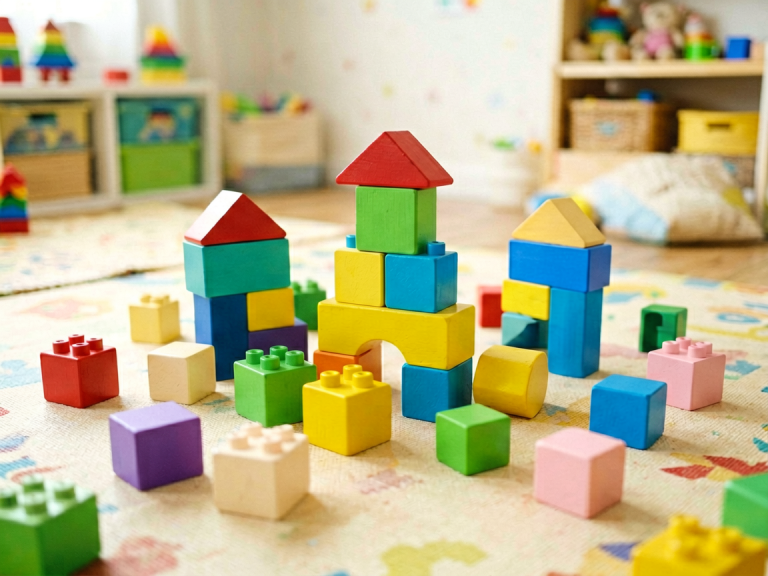
- Example: Wooden block sets (like unit blocks) – Classic and durable, these allow for massive, open-ended builds. They’re especially good for group play.
- Why it works: Construction toys develop fine motor control, problem-solving, and an understanding of balance and physics. They also foster perseverance.
Tip: Choose sets that include a range of pieces so children can expand their creations over time. Avoid sets that are too fragile or require adult assembly for every fun.
Reading and Storytelling
Books and storytelling toys nurture literacy and empathy. At 8, children transition from learning to read to reading to learn.
- Example: Chapter books and series – Series like *Magic Tree House*, *Diary of a Wimpy Kid*, or *Percy Jackson* (for advanced readers) offer immersive worlds. Graphic novels are also highly engaging.
- Example: Audiobooks or story podcasts – Great for car rides or winding down. They improve listening comprehension and vocabulary.
- Example: Story cubes or Mad Libs – These games spark creativity by prompting children to invent narratives or fill in blanks with wacky words.
- Example: A personal journal or diary – Writing encourages reflection and self-expression. Some journals come with prompts or lockable keys for privacy.
- Why it works: Reading enhances vocabulary, concentration, and empathy. Storytelling games boost verbal skills and imagination.
Tip: Let your child choose their own books. Frequent trips to the library or a subscription box can keep reading fresh and exciting.
—
Safety and Quality Considerations
While age-appropriateness is key, safety and quality should never be overlooked. Here are essential guidelines:
- Check for choking hazards: Even at age 8, some children still put small objects in their mouths. Avoid toys with tiny parts if your child has that tendency.
- Look for non-toxic materials: Ensure paints, glues, and plastics are labeled BPA-free, lead-free, and phthalate-free. Wooden toys should be smoothly sanded and sealed.
- Inspect durability: 8-year-olds are not always gentle. Toys that break easily can cause sharp edges or frustration. Read reviews about longevity.
- Consider screen time balance: Electronic toys like tablets or video games should be used in moderation. Choose those that require active participation rather than passive consumption.
- Follow age labels: Manufacturers test toys for specific age ranges based on developmental abilities. A toy labeled “10+” may be too advanced, while one marked “3+” may be too babyish.
Tip: Before purchasing, do a quick internet search for recalls or safety warnings related to the toy brand. Also, observe your child’s play style—some need more supervision than others.
—
Tips for Choosing the Right Toy
Finally, here are practical, actionable tips to streamline your decision-making process:
- Observe your child’s interests. Does your child love dinosaurs? Space? Cooking? Use their passions as a starting point. A toy that aligns with their current obsession will be used far more.
- Involve them in the choice. Take your child to a store (or browse online together) and let them express preferences. This fosters a sense of ownership and reduces disappointment.
- Prioritize open-ended play. Toys that have multiple uses—like building blocks, art supplies, or dress-up costumes—offer greater long-term value than single-purpose toys.
- Avoid gender stereotypes. 8-year-olds are still forming their identities. Avoid toys that pigeonhole them into traditional gender roles. A science kit or a sewing set is for anyone.
- Balance novelty and classics. A new gadget can be exciting, but classic toys like puzzles, marbles, or yo-yos have stood the test of time for a reason. Mix modern and traditional.
- Consider the “play space.” Does your home have room for a large construction set? Do you have a backyard for a basketball hoop? Match the toy to your environment to avoid clutter and underuse.
- Think about social play. If your child has siblings or frequent playmates, choose toys that can be enjoyed together. Cooperative games or building sets work well.
- Don’t overlook the power of simplicity. Sometimes the best toy is a cardboard box, a set of markers, and a pile of scrap paper. Creativity often thrives with minimal materials.
—
Conclusion
Choosing age-appropriate toys for an 8-year-old is not about finding the most expensive or popular item on the shelf. It is about understanding your child’s unique developmental stage and providing tools that challenge, inspire, and comfort them. From STEM kits that ignite curiosity to board games that strengthen friendships, from art supplies that unleash imagination to bicycles that build physical confidence, the right toys can shape a child’s world in profound ways. As a parent, your role is to be a thoughtful curator—not a passive shopper. Look for toys that offer a mix of fun, learning, and growth, and don’t be afraid to rotate them to keep engagement high. Remember that the best toy is one that your child will actually play with, and the best play is the kind that leaves them happy, tired, and eager to try again tomorrow. By following this guide, you’ll be well-equipped to make informed, loving choices that support your 8-year-old’s journey through this wonderful age of discovery.