A Parents Guide to Safe Toy Shopping: Essential Tips for Choosing Toys That Protect and Inspire
Toys are more than just playthings—they are tools for learning, creativity, and emotional development. However, the joy a toy brings can quickly turn into a nightmare if it poses hidden dangers. Every year, thousands of children are treated in emergency rooms for toy-related injuries, including choking, cuts, burns, and poisoning. As a parent or caregiver, knowing how to navigate the overwhelming aisles of toy stores and online marketplaces is crucial. Safe toy shopping is not about banning fun; it's about making informed choices that balance excitement with protection. This comprehensive guide provides evidence-based, practical tips to help you select toys that are not only engaging but also safe for your child.
Understand Age Recommendations—They Are More Than Guidelines
Age labels on toy packaging, such as “3+” or “5+,” are not arbitrary marketing suggestions. They are determined by rigorous testing based on developmental milestones, behavioral patterns, and potential hazards. For example, toys for children under three must be free of small parts that could become choking hazards because infants and toddlers naturally explore by putting objects in their mouths. Similarly, toys for older children may contain small magnets, batteries, or sharp edges that are safe only when the child understands basic safety rules. Ignoring these recommendations—even if you think your child is “advanced”—can lead to serious injuries. A study by the U.S. Consumer Product Safety Commission found that more than half of toy-related deaths occur in children under five, with choking being the leading cause. When shopping, always check the label and resist the temptation to buy a toy “for the future” if it is not age-appropriate now. Remember: a toy that is too complex can frustrate a child, while one that is too simple may bore them; but the most critical factor is safety.
Check for Safety Certifications and Compliance Marks
Reputable toy manufacturers voluntarily submit their products to independent testing laboratories that verify compliance with international safety standards. Look for certifications such as the ASTM F963 (in the United States), CE mark (in the European Union), or the Lion Mark (in the UK). These symbols indicate that the toy has been tested for mechanical, flammability, and chemical hazards. In the U.S., the CPSC also requires that toys bear a tracking label with the manufacturer’s name, production date, and batch number, making it easier to identify recalled products. Before purchasing, you can also visit the CPSC website or download their app to check for recent recalls. Avoid toys that lack clear certification marks, especially if they are sold by unknown online sellers or at flea markets. Counterfeit toys often use cheap, unsafe materials and may contain lead, phthalates, or other toxic substances. A quick online search for the brand and product name can reveal consumer complaints or safety alerts. Investing an extra minute to verify compliance can prevent long-term health consequences.
Beware of Choking Hazards: The Small Parts Test
Choking is the most common cause of toy-related death among young children. The standard small parts test cylinder (often called a "choke tube") measures approximately 1.25 inches in diameter and 2.25 inches in depth—roughly the size of a toddler’s throat. Any toy or part that fits entirely inside this cylinder is considered a choking hazard for children under three. However, even larger toys can become dangerous if they break into small pieces, so inspect the toy carefully. Check for loose buttons, beads, eyes on stuffed animals, removable wheels, and any components that could be bitten off. Batteries are another silent threat: button batteries, commonly found in musical toys, remote controls, and flashing gadgets, can cause severe internal burns if swallowed. Always ensure that battery compartments are secured with screws that a child cannot open. For children with older siblings, be extra vigilant about keeping small toys from older kids out of reach of babies and toddlers. A simple rule: if you have any doubt about whether a part is small enough to be swallowed, do not buy it.
Avoid Toxic Materials: Lead, Phthalates, and Harmful Chemicals
Even if a toy looks harmless, its chemical composition can pose long-term risks. Lead, often found in cheap paints, plastics, and metal components, can accumulate in a child's body and impair brain development, cause behavioral issues, and damage organs. Phthalates, used to soften plastic, have been linked to endocrine disruption. In many countries, regulations limit these substances, but not all products on the market comply—especially imports from regions with lax standards. To reduce risk, choose toys made from natural materials like solid wood (with non-toxic paints), organic cotton, or food-grade silicone. Avoid toys with a strong chemical smell, which may indicate volatile organic compounds (VOCs). For plastic toys, look for those labeled BPA-free and phthalate-free. Also be cautious with arts and crafts supplies: crayons, markers, and modeling clay should be labeled as non-toxic and conform to ASTM D4236 (in the U.S.) or equivalent standards. If your child enjoys mouthing toys—which is normal until around age three—ensure that all items are made from safe, washable materials.
Consider the Child’s Interests and Abilities – Safety Through Engagement
A safe toy is one that matches a child’s developmental stage not only physically but also cognitively and emotionally. A toy that is too simple can be ignored, while one that is too advanced may lead to frustration and inappropriate use. For example, a toy with many small parts may tempt a toddler to throw or scatter them, increasing the risk of tripping or choking. Conversely, a well-chosen toy that challenges a child slightly above their current skill level can encourage focused play and reduce dangerous behaviors. Observe your child: do they enjoy building, pretending, moving, or solving puzzles? Choose toys that align with their natural interests. Also consider the play environment. If your child tends to run around with toys, avoid those with pointed edges, strings longer than 12 inches (which pose strangulation risks), or projectiles that could injure eyes. For outdoor play, ensure that ride-on toys have stable bases and that helmets are used for bikes and scooters. Remember: the safest toy is one that the child uses correctly under appropriate supervision.
Inspect for Quality and Durability – Avoid Cheap Fragile Toys
Price does not always equal safety, but extremely cheap toys often cut corners on materials and construction. Before buying, physically examine the toy: run your fingers over edges and seams; pull on sewn-on parts; twist and shake the toy to see if anything rattles loose. Stuffed animals should have securely fastened eyes and noses, preferably embroidered rather than glued or buttoned. Check for rigid plastic parts that could crack and create sharp shards. Electronic toys should have insulated wires and no exposed batteries or sharp contacts. Wooden toys should be smooth, splinter-free, and finished with non-toxic sealants. Also pay attention to the toy’s weight—heavy toys can cause injury if dropped on feet or heads. If you are shopping online, read customer reviews carefully, especially those that mention durability issues or broken parts after short use. Look for brands with a reputation for quality, even if they cost a bit more. In the long run, a well-made toy lasts longer, reduces waste, and, most importantly, keeps your child safe.
Read Labels and Warnings – The Small Print Matters
Packaging is not just for marketing; it contains critical safety information. Beyond age recommendations, look for warnings such as “Contains small parts,” “Functional sharp points,” “Use only with adult supervision,” or “Do not use near water.” Some toys require assembly—ensure that all hardware is included and that instructions are clear. Pay attention to magnets: high-powered rare earth magnets can cause severe intestinal damage if swallowed even one, and two can attract across tissue walls, leading to perforations. Toys containing magnets for children under 14 are subject to strict regulations in many countries, but always verify. Also check for cord, string, or ribbon length—anything longer than 12 inches can pose a strangulation hazard for young children. If a label is missing, unclear, or written in a language you cannot understand, consider that a red flag. Reputable manufacturers provide clear, legible warnings.
Shop from Reputable Sources – Avoid Counterfeits and Unknown Brands
Where you buy a toy matters as much as what you buy. Large, established retailers often have strict quality control processes and accept returns for defective products. In contrast, third-party sellers on some online platforms may offer knockoff versions that fail safety tests. While it is tempting to grab a bargain, counterfeit toys frequently use unsafe materials, lack proper labeling, and have poor structural integrity. If you must buy from a small online seller, do some background research: check their return policy, look for customer photos of the actual product, and read independent reviews. Avoid toys that are sold without original packaging, as they may be refurbished or compromised. Also be cautious with “mystery” or “blind bag” toys that conceal small, unlabeled items—these have been known to contain choking hazards. When in doubt, choose toys from well-known brands that have established safety histories.
Supervise Play and Maintain Toys – Your Role After the Purchase
Even the safest toy can become dangerous over time. After purchase, inspect the toy regularly for wear and tear: cracked plastic, frayed cords, loose parts, or fading paint. Clean cloth toys according to manufacturer instructions to remove germs and dust. For batteries, remove them when the toy is not in use for extended periods to prevent leakage that could corrode the compartment. Teach older children how to handle toys safely—for example, not to throw hard objects, not to put small parts in their mouths, and to store toys away after play to prevent tripping hazards. Supervision remains the most effective safety measure, especially for children under five. No toy can replace the watchful eye of an adult. Remember that play should be a joy, not a worry. By adopting these habits, you create a safer environment where your child can explore, learn, and grow.
Conclusion
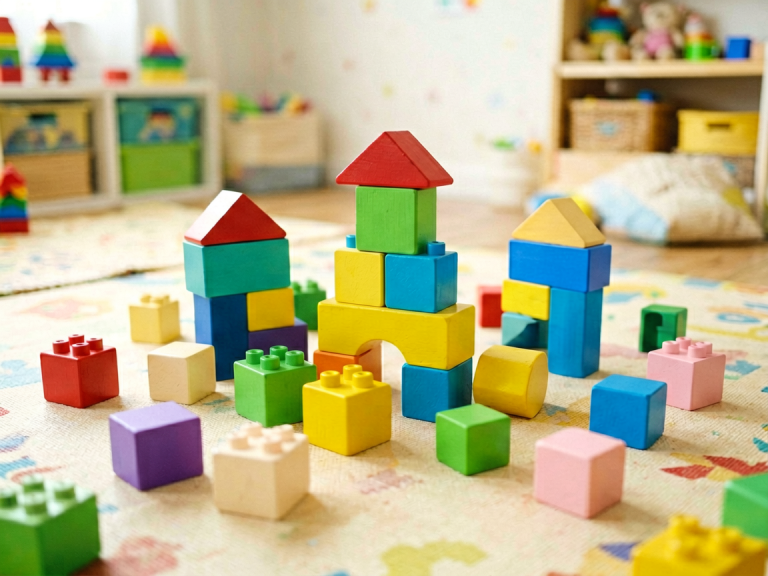
Safe toy shopping is a skill that every parent needs to develop. It requires a combination of knowledge, patience, and critical thinking—but it does not have to be overwhelming. By understanding age recommendations, checking certifications, avoiding choking hazards and toxic materials, matching toys to your child’s abilities, inspecting quality, reading labels, choosing reputable sources, and maintaining supervision, you can dramatically reduce the risk of injury. The goal is not to buy the most expensive or the most popular toy, but to select the one that brings the most joy with the least risk. Remember that the best toys are often the simplest ones: a sturdy set of building blocks, a classic wooden puzzle, or a soft doll. They invite creativity and imagination while keeping your child safe. Next time you walk into a toy store or scroll through an online catalog, take a deep breath and apply these tips. Your child’s smile, unburdened by harm, is the greatest reward.