Play Activities for Babies and Preschoolers: Nurturing Development Through Fun
Play is the universal language of childhood. For babies and preschoolers, it is not merely a pastime but a vital engine of growth—cognitive, physical, social, and emotional. When we design purposeful play activities, we lay the foundation for lifelong learning. This article explores a rich array of play activities tailored for two distinct yet overlapping stages: infancy (birth to 12 months) and the preschool years (ages 3 to 5). Each activity is grounded in developmental science and designed to be both engaging and educational. By understanding what babies and preschoolers need at each phase, caregivers can turn everyday moments into powerful opportunities for discovery.
Understanding the Developmental Landscape
Before diving into specific activities, it is essential to appreciate the unique developmental milestones of each age group. Babies are sensory explorers. They learn primarily through their mouths, hands, eyes, and ears. Their play is about cause and effect, motor control, and bonding. Preschoolers, in contrast, have entered the world of symbolic thinking. They engage in pretend play, follow simple rules, and begin to understand sequences and stories. Their play becomes more social and language-rich. The activities we choose must respect these differences while also providing continuity as children transition from one stage to the next.
Sensory Play Activities for Babies (0–12 Months)
Sensory play is the bedrock of infant development. It stimulates neural connections and helps babies make sense of their environment.
Tummy Time With Textures
Tummy time is crucial for building neck, shoulder, and arm strength. To make it more engaging, place a variety of textured fabrics—silk, corduroy, fleece, and burlap—beneath the baby. Let them feel the differences with their fingers and cheeks. Supervise closely and limit sessions to a few minutes at a time, gradually increasing duration as the baby grows.
Treasure Baskets
Fill a shallow basket with safe, natural objects: a wooden spoon, a smooth stone, a crumpled piece of parchment paper, a silicone teether, and a soft woollen ball. Allow the baby to sit (with support if needed) and explore freely. This activity promotes fine motor skills, tactile discrimination, and independent decision-making.
Mirror Play
Babies are fascinated by faces, especially their own. Place an unbreakable mirror on the floor or lean it against a wall during tummy time. Point to the reflection and name body parts: “That’s your nose! Look, you have blue eyes.” This builds self-awareness and early vocabulary.
Water Play
Fill a shallow tray with warm water and add floating toys like rubber ducks or plastic cups. Let the baby splash, grasp, and watch water drip. Always stay within arm’s reach. Water play teaches cause and effect and provides calming sensory input.
Sound Shakers
Create simple shakers by filling sealed plastic bottles with rice, dried beans, or bells. Babies will shake, rattle, and roll them, discovering that their actions produce sounds. This activity supports auditory discrimination and motor coordination.
Gross Motor Play for Babies and Toddlers
Physical movement is essential for both babies and preschoolers, but the type of activity changes as mobility increases.
Crawling Tunnels
For babies who are starting to crawl, a soft fabric tunnel (or a simple arrangement of pillows and blanket tents) invites exploration. Place a favorite toy at the other end to encourage forward movement. Crawling strengthens core muscles, improves cross-body coordination, and prepares the brain for later reading skills.
Pull-Up Stations
Once babies can stand with support, attach a low, sturdy bar (or use the edge of a couch cushion) that they can pull themselves up on. Place fascinating objects at standing height—a textured ball, a pop-up toy—to motivate them to practice balancing. This develops leg strength and spatial awareness.
Ball Rolling Games
Sit facing your baby and gently roll a soft, large ball toward them. Encourage them to push it back. Even if they only bat it away, the interaction teaches turn-taking and eye tracking. For older toddlers, sit farther apart and introduce simple verbal cues: “Ready, set, go!”
Cognitive and Problem-Solving Activities for Preschoolers (3–5 Years)
Preschoolers thrive on challenges that require thinking, planning, and memory. Play becomes more structured, yet still open-ended.
Sorting and Classifying Games
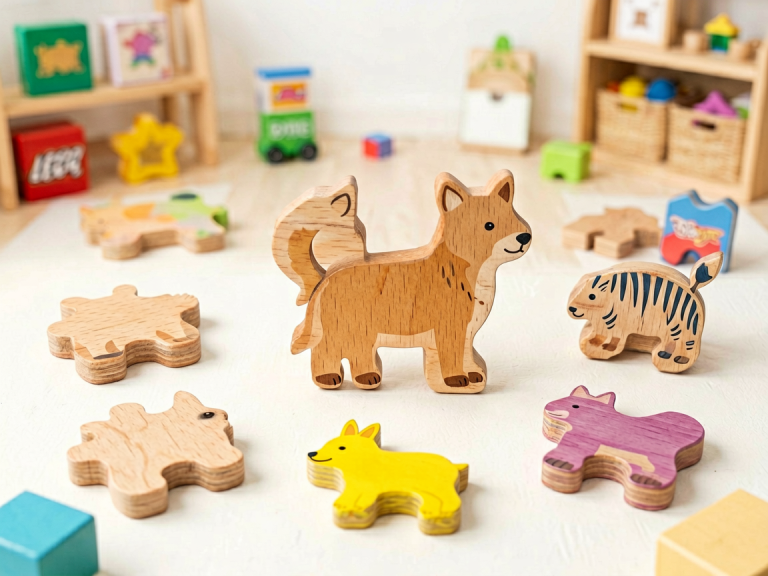
Provide a collection of plastic animals, buttons, or colored blocks. Ask the child to sort them by size, color, or type. For example, “Put all the blue animals in this basket and all the red ones in that one.” Sorting builds mathematical thinking and attention to detail. For an extra challenge, create a pattern (blue, red, blue, red) and ask them to continue it.
Simple Board Games
Games like “Candy Land” or “Chutes and Ladders” (or any matching game with dice and a board) teach preschoolers how to follow sequential rules, take turns, and handle winning and losing gracefully. Even a homemade board game with number cards and moving pieces works wonderfully. These activities promote impulse control and social negotiation.
Memory Matching
Create a set of picture cards (or use a store-bought matching game). Lay them face down and take turns flipping two at a time to find pairs. This classic game strengthens working memory, visual discrimination, and concentration. To adjust difficulty, start with just four pairs and increase gradually.
Building With Purpose
Give preschoolers a set of wooden blocks or LEGO Duplo and a challenge: “Can you build a bridge that a toy car can drive under?” or “Let’s make a tower that is taller than your knee.” Such construction tasks encourage spatial reasoning, planning, and perseverance. Observe how they test and adjust their structures—a perfect demonstration of the scientific method in action.
Pretend Play and Social-Emotional Learning
Pretend play is the hallmark of the preschool stage. It allows children to experiment with adult roles, process emotions, and develop empathy.
Kitchen and Grocery Store
Set up a small play kitchen with plastic food, pots, and utensils. Encourage your preschooler to “cook” a meal for you. Take their order, compliment their soup, and ask for more. Then switch roles. This activity builds language skills, sequencing, and emotional attunement. For deeper learning, add a pretend cash register and play “store”—counting money, bagging items, and saying “thank you.”
Doctor’s Office
Provide a toy stethoscope, bandages, and a stuffed animal patient. Let your child examine the “patient,” diagnose a “boo-boo,” and apply a bandage. This play helps children process their own experiences with medical visits and teaches caregiving. Ask questions like, “What does the teddy need to feel better?” to encourage narrative thinking.
Dress-Up and Storytelling
Maintain a costume box with hats, scarves, capes, and old shoes. After dressing up, prompt your child to tell a story about their character. “You are a firefighter. What are you saving today?” They might invent a rescue scenario. This develops verbal fluency, creativity, and theory of mind—the ability to understand that others have different thoughts and feelings.
Language and Literacy Play Activities
Language develops naturally through interaction, but intentional play can accelerate vocabulary and pre-reading skills.
Rhyming Games
Sing nursery rhymes and pause before the last word to let your preschooler fill it in: “Twinkle, twinkle, little ___.” Clap out the syllables in their name or other words. Rhyming games enhance phonological awareness, a strong predictor of later reading success.
Story Sequencing With Pictures
Cut out four or five simple pictures from a magazine or print them online—for example, a seed, a sprout, a flower, and a sunflower. Ask your child to arrange them in the correct order of growth. Tell a short story as they work: “First, we plant a seed. Then the sun shines and water helps it grow…” This builds comprehension of narrative structure and cause-effect relationships.
Alphabet Treasure Hunt
Hide magnetic letters around the room and give your preschooler a basket. Call out a letter sound or name: “Find the letter that says /b/!” When they find it, they can place it on a magnetic board. This active game makes letter recognition playful and kinesthetic.
Outdoor and Nature-Based Play
Fresh air and natural materials offer sensory and gross motor benefits that indoor play cannot replicate.
Sensory Garden Exploration
If you have a yard or access to a park, let your preschooler dig in soil, collect leaves, and examine rocks. Provide a magnifying glass and a small bucket. Ask them to find three different textures—rough, smooth, and bumpy. This activity grounds children in the natural world and sparks scientific curiosity.
Obstacle Course
Set up a simple obstacle course using pillows, hula hoops, cones, and a low balance beam (a line of tape on the ground). Have your child crawl under tables, jump over cushions, and walk a straight line. Time them and let them try to beat their own record. This develops coordination, balance, and problem-solving as they figure out the best route.
Water Play With Containers
On a warm day, fill a plastic tub with water and provide cups, funnels, and empty shampoo bottles. Preschoolers love pouring, measuring, and squirting. Adding a few drops of food coloring (with supervision) introduces color mixing. This unstructured play teaches volume, gravity, and fine motor control.
Music and Movement Activities
Music engages both hemispheres of the brain and supports emotional regulation.
Instrument Exploration
Provide a basket of simple instruments—shaker eggs, a tambourine, a small drum, and bells. Let your preschooler play freely, then introduce a beat: “Can you play fast when I say ‘fast’? Now slow like a turtle.” This enhances listening skills and rhythm awareness. For babies, shake instruments near their ears (gently) and watch them track the sound.
Dance and Freeze
Play a lively song and encourage dancing. When the music stops, everyone must freeze like a statue. This game cultivates body control, listening, and impulse inhibition. Vary the music tempo to introduce new challenges.
The Role of the Caregiver
In all these activities, the caregiver’s role is not to direct but to facilitate. Follow the child’s lead. Notice what captures their attention and build on it. For babies, be responsive—if they drop a toy, pick it up and hand it back with a smile. For preschoolers, ask open-ended questions: “What do you think will happen if we add more blocks?” The goal is to stretch their thinking without taking over. Your presence, warmth, and enthusiasm are the most powerful “toy” of all.
Play activities for babies and preschoolers should be joyful, varied, and developmentally appropriate. From the earliest sensory explorations of infancy to the complex pretend worlds of a five-year-old, each stage offers unique opportunities to learn. Remember that children learn best when they are free to explore at their own pace, supported by caregivers who value process over product. So put away the screens, spread out a blanket, and let the play begin—because in the end, a child’s most important job is to play, and your most important job is to play alongside them.