Playful Pathways: A Comprehensive Guide to Choosing Learning Through Play
Introduction
In a world that increasingly values structured academics, the idea of “learning through play” can seem almost heretical to some parents and educators. Yet decades of developmental psychology, neuroscience, and educational research have consistently shown that play is not the opposite of learning—it is the engine of it. Children who engage in purposeful, well-chosen play activities develop critical cognitive, social, emotional, and physical skills that lay the foundation for lifelong success.
But not all play is created equal. A child left alone with a tablet game may be passively entertained, while another building with open‑ended blocks may be actively engineering, problem‑solving, and experimenting with physics. The difference lies in *choice*—how we, as caregivers and educators, select the types of play, the materials, the environments, and the levels of adult involvement. This article provides a structured framework for making those choices wisely, ensuring that every moment of play also becomes a moment of meaningful growth.
—
Understanding the Philosophy of Learning Through Play
Before selecting specific toys or activities, it is essential to grasp what “learning through play” truly means. It is not about turning every game into a disguised lesson or drilling facts through fun. Rather, it is about recognizing that children are naturally driven to explore, experiment, and make sense of their world. When play is authentic—self‑directed, intrinsically motivated, and process‑oriented—the learning that occurs is deeper and more durable.
The key is to choose play experiences that align with a child’s current developmental stage and individual curiosities. For instance, a toddler’s sensory play with sand and water fosters early scientific observation and fine motor control, while a preschooler’s pretend play with costumes and props develops narrative thinking, empathy, and language. Understanding this continuum helps adults avoid the trap of pushing overly academic activities too early, which can stifle a child’s natural love of discovery.
Principle: *Let the child lead, but the adult curate.* The adult’s role is to provide a rich, safe, and stimulating environment—then step back and observe.
—
Assessing Developmental Stages and Individual Interests
No two children learn the same way, and their play preferences often mirror their cognitive and emotional needs. Therefore, the first step in choosing learning through play is to conduct a gentle assessment of where the child is right now.
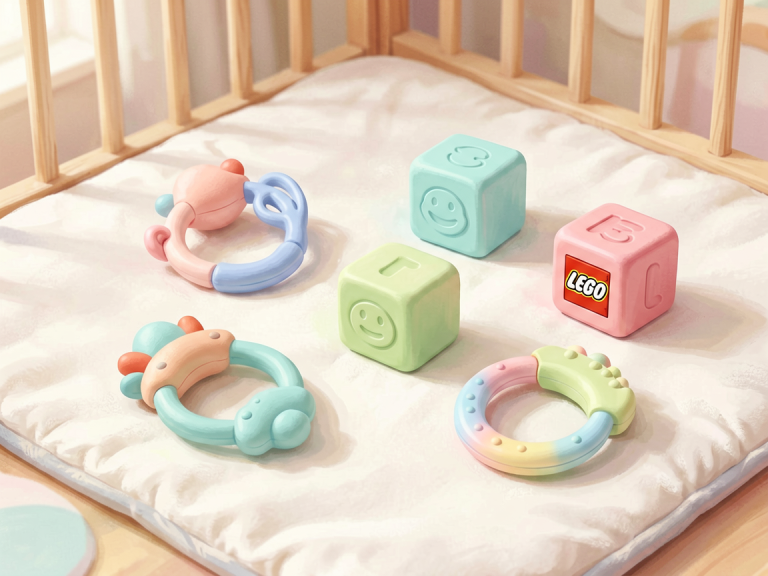
- Infants and Toddlers (0–2 years): Focus on sensory‑motor play. They learn through their senses and movement. Choose toys that are safe to mouth, have contrasting colors, produce interesting sounds, and encourage grasping, shaking, and banging. Examples: wooden rattles, soft texture books, stacking cups.
- Preschoolers (3–5 years): This is the golden age of imaginative and symbolic play. Children are developing language, social skills, and the ability to take perspectives. Provide open‑ended materials like blocks, art supplies, dress‑up clothes, and simple board games that require turn‑taking. Avoid overly rigid toys that do only one thing.
- School‑Age Children (6–12 years): As logical thinking emerges, children enjoy rule‑based games, strategy, and complex construction. They also love collaborative play that involves negotiation and teamwork. Choose science kits, building sets (LEGO, K’NEX), card or board games with deeper strategy, and outdoor physical challenges like obstacle courses.
Beyond age, pay attention to the child’s unique passions. A child fascinated by dinosaurs will learn more about biology, geography, and even mathematics through a dinosaur‑themed excavation kit than through a generic puzzle. Use their interests as a springboard.
—
Identifying Types of Play and Their Educational Value
To choose wisely, you must recognize the different categories of play and what each contributes to development. A well‑rounded play diet includes a variety of types:
- Physical Play (Gross and Fine Motor): Running, climbing, hopping, and balancing build strength, coordination, and spatial awareness. Fine‑motor play like threading beads or using scissors develops hand – eye coordination essential for writing.
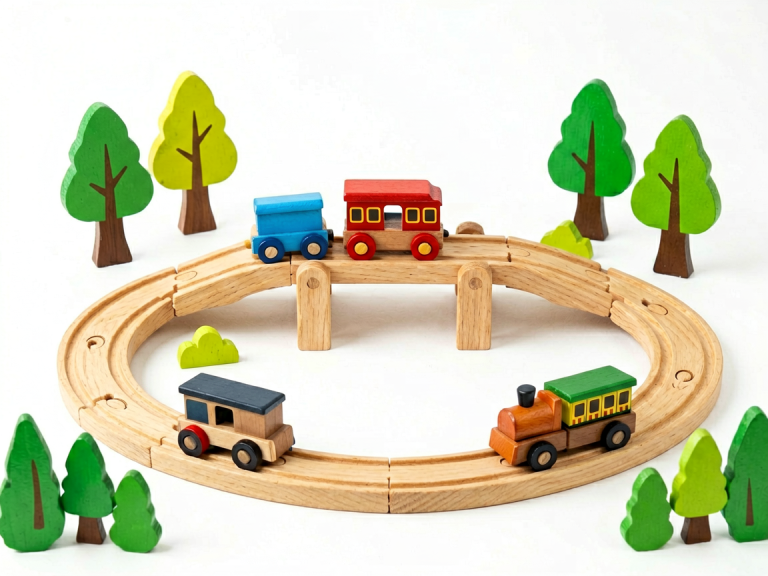
- Constructive Play: Building with blocks, LEGO, clay, or recycled materials teaches planning, problem‑solving, geometry, and cause‑and‑effect. This type of play is particularly rich in STEM learning.
- Pretend or Dramatic Play: Role‑playing as a doctor, chef, or astronaut fosters narrative thinking, emotional regulation, and social understanding. It is also a powerful tool for processing real‑life experiences.
- Games with Rules: Board games, card games, and sports teach turn‑taking, fairness, resilience in defeat, and strategic thinking. Mathematics and reading often appear naturally in game instructions and scoring.
- Creative and Artistic Play: Drawing, painting, making music, or sculpting allows children to express emotions, explore aesthetics, and develop originality. It also strengthens neural connections related to focus and planning.
- Exploratory and Nature Play: Collecting leaves, digging in dirt, observing insects, or conducting simple water experiments cultivate scientific curiosity, patience, and a sense of wonder.
When choosing an activity, ask: “Which type of play does this primarily encourage? Does it align with the child’s current needs?” A child who is struggling with social skills might benefit more from a cooperative board game than from solitary puzzle work.
—
Evaluating Toys and Activities for Educational Value
Not every toy sold as “educational” actually promotes deep learning. Many are passive, repetitive, and designed to keep children busy rather than engaged. Here is a practical checklist to evaluate any play item:
- Open‑ended vs. Closed‑ended: Does the toy have a single correct outcome (e.g., an electronic toy that lights up when you press the right button) or can it be used in multiple ways? Open‑ended materials like blocks, loose parts, and art supplies encourage creativity and divergent thinking, which are hallmarks of higher‑order learning.
- Level of Active Engagement: Does the child have to physically manipulate, think critically, make decisions, or adapt? Beware of toys that do the work for the child—for example, a talking robot that recites letters without requiring the child to practice writing.
- Challenge without Frustration: The best play activities are in the “zone of proximal development”—just slightly above the child’s current ability. If a puzzle is too easy, the child gets bored; if too hard, they become frustrated. Observe and adjust.
- Authenticity of Skills: Does the play involve real‑world skills? Sorting coins, measuring ingredients while baking, or keeping score in a game are far more meaningful than abstract worksheets.
- Social Potential: Can the activity be done with others? Social play teaches communication, negotiation, and empathy. Even a solo activity like building blocks can become collaborative if you invite a sibling or friend to join.
Warning: Screens and digital apps are particularly tricky. While some high‑quality educational apps can be useful, they often replace hands‑on, sensory, and social experiences. Prioritize unplugged, tangible play whenever possible.
—
Balancing Free Play and Structured Play
One of the most common mistakes is over‑structuring a child’s time. When every moment of play is guided by an adult or a predetermined outcome, the child loses the chance to develop autonomy, creativity, and intrinsic motivation. Conversely, completely unstructured play with no resources or guidance can lead to aimless wandering.
The ideal balance is a “scaffolded” approach: provide rich materials and clear boundaries (safety, time, space), then allow the child to take the lead. For example, lay out a selection of natural items—pinecones, sticks, pebbles, fabric scraps—and let the child create their own game or story. You can ask open‑ended questions like, “What do you think would happen if we put this stone on top?” but resist giving instructions.
Structured play (like a simple board game or a science experiment with steps) has its place, especially for building specific skills such as following directions or learning turn‑taking. The key is to mix both types throughout the week. A good rule of thumb: at least half of a child’s playtime should be self‑directed and free from adult‑imposed goals.
—
Involving the Child in the Choice
Children are far more engaged when they have a say in what they play. Involving them in the selection process also teaches decision‑making and critical thinking.
- Offer limited choices: “Would you like to play with the building blocks or the water table today?” Two or three options are enough for a young child.
- Encourage reflection: After playing, ask simple questions: “What did you learn? What was fun? What would you like to try differently tomorrow?” This helps children connect play with learning.
- Create a play “library”: Rotate toys and materials every few weeks so that children rediscover old favorites with fresh eyes. Let them help decide which items to bring out or put away.
- Recognize that “boredom” can be productive: When a child complains “I’m bored,” resist the urge to immediately provide a structured activity. Boredom often sparks creativity—the child must invent their own play, which is a powerful learning opportunity.
—
Practical Tips for Parents and Educators
- Observe, don’t direct: Spend ten minutes silently watching your child at play. Note what they are drawn to, how they solve problems, what frustrates them. These observations will guide your choices better than any toy review.
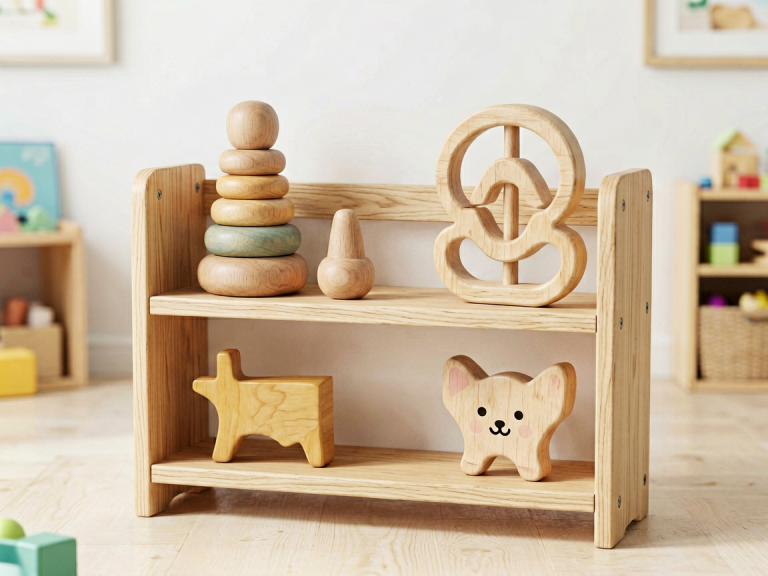
- Prioritize quality over quantity: A few well‑chosen, durable, open‑ended toys are far better than a roomful of plastic gadgets. Think wooden blocks, a set of simple tools, art supplies, and books.
- Look for everyday learning: A cardboard box can become a spaceship, a castle, or a car. Cooking together involves math (measuring), science (mixing), and reading (following a recipe). Choose experiences that are part of daily life.
- Resist the temptation of “accelerated learning”: Pushing advanced concepts through play can backfire, causing anxiety and loss of joy. Trust that development has its own timeline.
- Model playful learning yourself: When you join your child’s play with genuine enthusiasm, you demonstrate that learning is a lifelong, joyful process.
—
Conclusion
Choosing learning through play is not about buying the most expensive toy or following a curriculum. It is about cultivating a mindset—one that values curiosity, creativity, and connection. By understanding developmental stages, evaluating play for its depth and authenticity, balancing structure with freedom, and involving the child in the process, we create an environment where play naturally becomes the most powerful teacher.
As the psychologist Jean Piaget once observed, “Play is the work of childhood.” Our task is not to supervise that work, but to provide the tools, the space, and the trust for children to become the architects of their own learning. When we choose wisely, every block stacked, every story enacted, and every game played becomes a step toward a richer, more capable future.
Word count: 1,124