Toy Safety Guide for Parents: Keeping Playtime Fun and Injury-Free
Every parent knows the joy of watching a child’s face light up when they receive a new toy. Yet behind that joy lies a serious responsibility: ensuring that every plaything is safe. According to the U.S. Consumer Product Safety Commission, thousands of toy-related injuries are treated in emergency rooms each year, many of which are preventable. This guide walks you through the essential considerations for choosing, inspecting, and maintaining toys so that your child can explore, learn, and play without unnecessary risk.
Why Toy Safety Matters
Toys are more than just objects of entertainment; they are tools for development. Infants use them to explore textures and sounds; toddlers use them to practice motor skills; older children rely on toys for creative play and social interaction. However, a poorly designed or damaged toy can turn a moment of discovery into a trip to the hospital. Common injuries include choking, falls, cuts, and even poisoning from toxic materials. By understanding the hazards associated with different types of toys, you can make informed decisions that protect your child’s health and well-being.
Age Appropriateness: The First Line of Defense
Manufacturers are required to label toys with age recommendations, but many parents overlook these warnings. Age labels are not arbitrary marketing suggestions—they are based on developmental abilities and known risks. For example, a toy designed for a three-year-old may contain small parts that are perfectly safe for that age group (since children over three generally no longer mouth objects) but could present a choking hazard for a one-year-old.
Tips for age-based selection:
- Always check the recommended age on the packaging.
- Ignore the “fast tracking” pressure: just because a toy looks fun doesn’t mean it’s appropriate for a younger sibling.
- Be extra cautious with toys that contain small balls, marbles, or detachable parts if you have children under three.
- Remember that even older children sometimes regress in play—if you have a toddler and a seven-year-old in the same household, avoid leaving tiny pieces within reach of the younger child.
Choking Hazards: Small Parts and More
Choking is the leading cause of toy-related deaths among young children. Anything that can fit inside a child’s mouth and block their airway is a risk. The standard test for small parts is whether an object can pass through a toilet paper roll (approximately 1.25 inches in diameter). However, shape matters too—rounded objects can become lodged more easily than flat ones.
What to watch for:
- Toys with loose buttons, eyes, or wheels that can be pulled off.
- Balloons (especially deflated latex balloons) are a major choking hazard. Never allow children under eight to play with uninflated balloons.
- Small magnets, including those in building sets and magnetic jewelry. If swallowed, two or more magnets can attract each other through intestinal walls, causing severe internal injuries.
- Button batteries: these coin-shaped batteries are found in many electronic toys and are extremely dangerous if ingested. They can cause serious burns within hours.
Practical check: Before giving a toy to a child under three, run it through a “choke tube” test. If any part fits inside a small toilet paper tube, it is not safe.
Toxic Materials and Lead Concerns
Not all toys are made from safe materials. Lead-based paint, phthalates, and certain heavy metals have been found in toys manufactured overseas, especially in plastic or painted wooden items. Lead poisoning, even in small doses, can impair a child’s cognitive development, cause behavioral problems, and affect growth.
How to reduce toxic risks:
- Look for toys labeled “non-toxic,” “phthalate-free,” and “BPA-free.”
- Prefer toys made from natural materials like solid wood (with non-toxic finishes) or organic cotton.
- Avoid cheap plastic toys that have a strong chemical smell—this often indicates harmful volatile organic compounds (VOCs).
- For painted toys, ensure the paint is lead-free. In many countries, children’s products must comply with strict lead limits; check for certifications like ASTM F963 (US) or EN71 (EU).
- Be wary of vintage or hand-me-down toys. Older toys may contain lead paint or other hazardous materials that are no longer allowed.
Sharp Edges, Points, and Pinch Hazards
Young children have delicate skin and brittle nails. Toys with sharp edges or protruding points can cause cuts and puncture wounds. Pinch hazards exist where two moving parts come together, such as in folding strollers, doll cradles, or toy scissors. Moreover, toys made from brittle plastic can break into jagged pieces.
Inspection steps:
- Run your fingers along the edges of any new toy. If you feel any roughness or sharpness, do not give it to the child.
- Check that all moving parts (hinges, folding mechanisms) have gaps wide enough to prevent finger entrapment or are designed with protective covers.
- Avoid toys made of thin, hard plastic that cracks easily.
- Be particularly cautious with toy weapons (swords, guns) that may have pointy tips. Even soft foam versions can cause eye injuries if swung too close to the face.
Battery Safety: Button Batteries and Magnets
We touched on button batteries earlier, but they deserve a dedicated section. More and more toys are battery-powered, and the rise of small electronic components has introduced new dangers. Button batteries are found in singing books, light-up toys, remote controls, and even talking plush animals.
Crucial battery safety practices:
- Ensure that all battery compartments are secured with a screwdriver tool. If a compartment can be opened without a tool, a determined toddler can access the batteries.
- Dispose of used batteries immediately and safely. Do not leave them lying around.
- If you suspect a child has swallowed a battery, go to the emergency room immediately—do not wait for symptoms.
- Magnets are also a growing concern. High-powered rare-earth magnets (like neodymium) are increasingly used in building sets for older children. If you have a younger child in the house, keep these magnets stored securely and out of reach.
Noise Hazards and Hearing Damage
Loud toys can damage a child’s hearing over time. Some electronic toys produce sounds over 100 decibels—similar to a chainsaw. Children’s ears are more sensitive than adults’, and prolonged exposure to loud noise can lead to permanent hearing loss.
What to look for:
- Avoid toys that produce continuous loud noises. If a toy’s sound is annoying to you as an adult, it may be harmful to your child.
- Test the volume yourself before purchase. Many toys have volume control settings—choose those with adjustable and lower-volume options.
- Cover the speaker with a piece of tape to reduce volume if needed.
- Encourage children to hold noisy toys away from their ears.
Recalled Toys: How to Stay Informed
Even reputable brands occasionally produce unsafe toys. Recalls happen for many reasons: design flaws, contamination, or the discovery of hazardous materials. As a parent, staying updated on recalls is essential.
How to monitor recalls:
- Sign up for recall alerts from your country’s consumer protection agency (e.g., CPSC in the US, RAPEX in the EU, ACCC in Australia).
- Follow toy safety blogs or parenting forums that regularly post recall notices.
- Register your purchases with manufacturers when possible—they often directly notify you about recalls.
- When buying second-hand toys, search the brand and model number online to check for any past recall history.
- If a toy looks suspiciously generic or unbranded, it’s safer to avoid it altogether.
Tips for Safe Toy Storage and Inspection
Safety doesn’t end after purchase. How you store and maintain toys is equally important.
Daily and weekly habits:
- Regularly inspect toys for wear and tear: broken seams on plush toys, loose buttons, cracked plastic, or exposed wires.
- Replace or discard any toy that shows signs of damage.
- Store toys in a way that prevents falls. Toy bins should be lightweight and have no sharp handles. Avoid heavy lids that can slam down on small fingers.
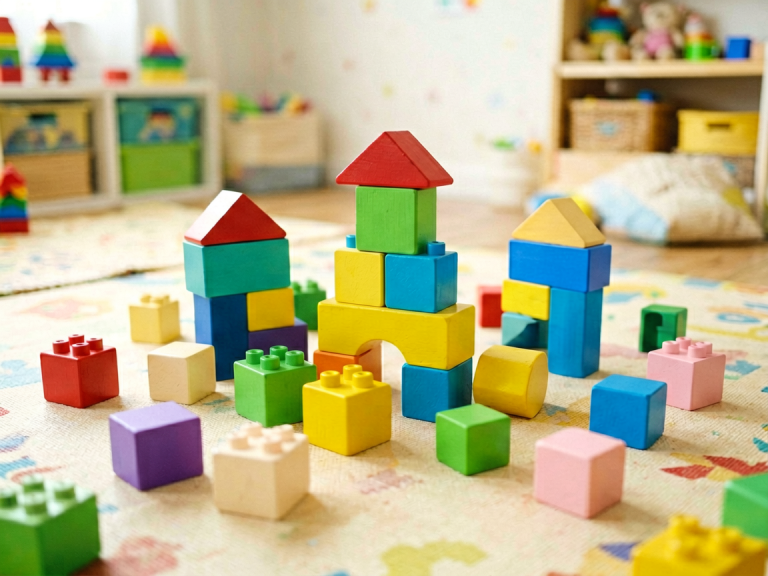
- Keep small-item toys (blocks, puzzle pieces, marbles) in sealed containers and out of reach of younger siblings.
- Clean plush toys according to washing instructions to prevent dust mites and allergies.
- Rotate toys periodically to maintain interest and reduce clutter—fewer toys mean easier inspection.
Conclusion
Toy safety is not about banning fun—it’s about fostering an environment where children can explore, create, and grow without unnecessary danger. By understanding age guidelines, checking for physical hazards, avoiding toxic materials, and staying informed about recalls, you can turn playtime into a truly safe adventure. Remember: no toy is worth the risk of injury. When in doubt, trust your instincts and choose simplicity over novelty. A few high-quality, well-chosen toys will serve your child far better than a mountain of questionable ones. Stay vigilant, stay informed, and let the joy of play remain exactly that—joyful.