The Power of Play: Why Hands-On Early Learning Transforms Preschoolers’ Development
In a world increasingly dominated by screens and passive entertainment, the simple act of touching, building, stirring, and exploring has never been more vital for young children. For preschoolers—typically aged three to five—the brain is undergoing a remarkable period of growth, forming connections at a speed that will never be replicated later in life. During these critical years, hands-on early learning is not merely a pleasant alternative to worksheets; it is the primary, most effective way for children to understand their world, develop essential cognitive skills, and build a lifelong love of learning. This article explores the profound benefits of hands-on early learning, provides practical examples of activities, and offers guidance for parents and educators on how to integrate this approach into daily routines.
Why Hands-On Learning Matters: The Science Behind Touch and Experience
Young children are not born as passive receivers of information. They are active scientists, constantly testing hypotheses through sensory exploration. When a preschooler squishes playdough, pours water from one cup to another, or stacks blocks until a tower falls, they are not merely “playing” in the trivial sense. They are engaging in what developmental psychologists call “embodied cognition”—the idea that cognitive processes are deeply rooted in the body’s interactions with the environment. Research has consistently shown that hands-on activities activate multiple areas of the brain simultaneously. For instance, when a child manipulates a physical object, the motor cortex, sensory cortex, and prefrontal cortex (responsible for problem-solving and planning) fire together, creating stronger neural pathways than passive listening or watching ever could.
This multisensory engagement is especially crucial for preschoolers because their abstract reasoning abilities are still developing. A child can hear the word “more” or “less” many times, but the concept becomes truly meaningful only when they hold a handful of beads, add a few more, and then feel the weight increase or see the pile grow. In a landmark study published in the journal *Science*, researchers found that children who were allowed to physically manipulate objects while learning mathematical concepts demonstrated significantly deeper understanding and retention than those who only looked at pictures or heard explanations. This is because the hands-on experience grounds abstract ideas in concrete, memorable reality.
Moreover, hands-on learning naturally differentiates instruction. In a traditional classroom, a teacher may expect all children to sit still and listen at the same pace—a nearly impossible request for many active preschoolers. But when children are given materials to explore, each child can learn at their own developmental level. A child who is ready to sort by color can do so; another who is learning to count can count the same objects; and a third who is beginning to understand patterns can create complex sequences. This flexibility respects each child’s unique developmental timeline and reduces frustration.
Key Areas of Development Enhanced by Hands-On Activities
Cognitive Skills: Problem-Solving, Logic, and Creativity
Hands-on activities are the perfect training ground for executive functions—the higher-order thinking skills that predict later academic and life success. When a preschooler works on a simple puzzle, they must hold the image of the final picture in mind (working memory), try a piece that does not fit (inhibition of impulses), and rotate it to find the correct position (flexible thinking). These mental gymnastics are far more engaging and effective than a worksheet asking children to “circle the one that is different.” Similarly, building with blocks or magnetic tiles encourages spatial reasoning, which is a strong predictor of later performance in STEM fields. A child who builds a bridge discovers through trial and error that a flat base is more stable than a single pillar—a lesson in physics that no lecture could impart as memorably.
Fine and Gross Motor Development
Preschoolers are in a stage of rapid motor skill refinement, and hands-on activities provide natural, joyful opportunities for practice. Scooping sand, rolling clay, threading large beads onto a string, or using child-safe scissors to cut paper all strengthen the small muscles in the hands and fingers—essential for later handwriting. Equally important are gross motor activities like crawling through tunnels, balancing on low beams, or dancing with scarves. These activities not only build physical strength and coordination but also stimulate the vestibular system and proprioception (the sense of body position), which are foundational for attention and self-regulation. A child who has had ample opportunity to move and manipulate objects is often better able to sit still for group story time later.
Social and Emotional Growth: Collaboration, Patience, and Self-Regulation
Hands-on learning is inherently social when done in group settings. A sensory table filled with rice and scoops naturally invites two children to work side by side, negotiate over the favorite scoop, and perhaps spill rice—which then requires cleanup together. In such moments, preschoolers practice essential social skills: sharing, taking turns, using words to express needs, and offering help. They also learn to manage frustration. When a block tower falls, a child may feel anger or disappointment. But with the gentle guidance of an adult who says, “Your tower fell. What could you try next time to make it stronger?” the child learns to reframe failure as a learning opportunity. This builds resilience and a growth mindset that will serve them throughout their schooling and life.
Furthermore, hands-on activities often involve waiting—waiting for glue to dry, waiting for bread to bake, waiting for seeds to sprout. In a world that offers instant gratification, these small delays are powerful teachers of patience and delayed gratification, a trait correlated with higher academic achievement and better emotional health in adulthood.
Practical Hands-On Activities for Preschoolers at Home and in the Classroom
Sensory Bins and Exploration Stations
A sensory bin is simply a shallow container filled with a base material—rice, sand, dried beans, water beads, or even shredded paper—along with scoops, cups, funnels, and small toys. The possibilities are endless. For example, a “dig for letters” bin can be filled with sand, small plastic letters, and a paintbrush for brushing away sand. Preschoolers can find a letter, say its sound, and place it on a matching card. This activity combines tactile exploration with pre-literacy skills in a way that feels like a treasure hunt, not a lesson. For younger preschoolers, simply scooping and pouring builds hand strength and basic math concepts like volume and capacity.
Cooking and Food Preparation
The kitchen is an underappreciated classroom. Measuring ingredients introduces early math (fractions, counting, one-to-one correspondence). Stirring, kneading, and rolling dough strengthen fine motor muscles. Following a recipe step-by-step teaches sequencing and literacy (reading pictures or simple words). And the sensory payoff—smelling cinnamon, tasting a cookie fresh from the oven—is deeply satisfying. For a simple, safe activity, have your preschooler spread peanut butter or cream cheese on a rice cake and arrange banana slices in a pattern. They learn to plan, execute, and enjoy the fruits of their labor.
Building and Construction Play
Blocks, LEGO Duplo, magnetic tiles, or even recycled cardboard boxes offer infinite opportunities for engineering and design. Pose a challenge: “Can you build a bridge that is strong enough for this toy car to cross?” or “Can you make a tower that is taller than your baby brother?” These open-ended prompts encourage creative problem-solving. As children build, they naturally experiment with balance, symmetry, and cause and effect. They also learn to persist when a structure collapses—a powerful lesson in grit.
Art and Messy Play
While many adults cringe at the idea of messy play, it is among the most important experiences for preschoolers. Finger painting, shaving cream on a tray, or gluing pieces of fabric onto a collage allows children to express emotions for which they may not yet have words. There is no “right” way to do art at this age; the process is far more valuable than the product. Through messy play, children explore textures, learn to tolerate sensory differences (like sticky or slimy substances), and develop creative confidence. A simple activity: provide two or three colors of paint, a large sheet of paper, and a potato masher or sponge. Let the child explore freely without any expected outcome.
Nature Exploration and Outdoor Learning
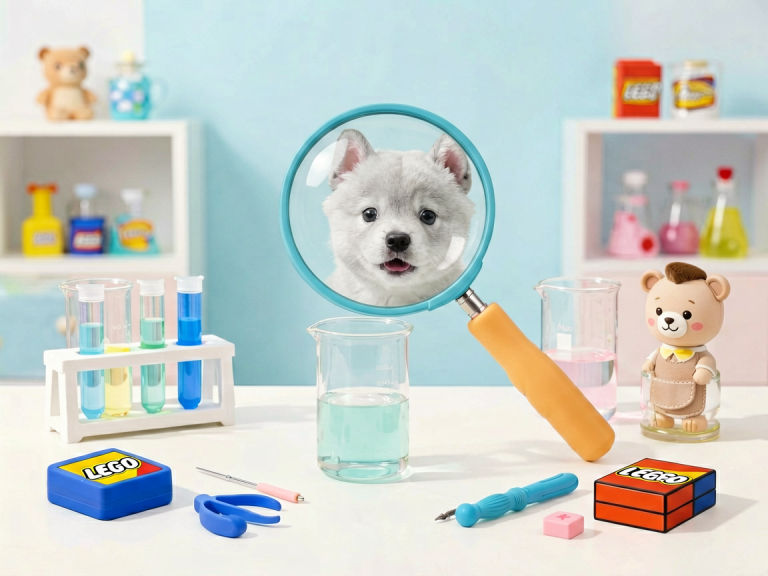
The natural world is the ultimate hands-on classroom. Take preschoolers outside to collect leaves, rocks, and sticks. Back inside, they can sort them by size, color, or texture; count them; or press leaves into playdough to make impressions. A classic activity is to provide each child with a small magnifying glass and a paper with a large square drawn on it. Ask them to find something tiny on the ground—an ant, a small seed, a piece of bark—and draw it inside the square. This trains observation and scientific thinking. Even something as simple as digging in the dirt with a small shovel builds shoulder strength and provides deep proprioceptive input that calms an overactive nervous system.
The Role of Parents and Teachers: Facilitators, Not Directors
To maximize the benefits of hands-on learning, adults must shift their role from “director” to “facilitator.” Instead of saying, “Do it this way,” an effective facilitator asks open-ended questions: “What do you think will happen if you add more water?” or “How did you make that shape?” This language encourages critical thinking and verbal expression. Adults should also resist the urge to “fix” a child’s mistakes. If a child is struggling to pour water without spilling, the adult might simply provide a smaller pitcher or a wider funnel, rather than taking over. The struggle is where the learning happens.
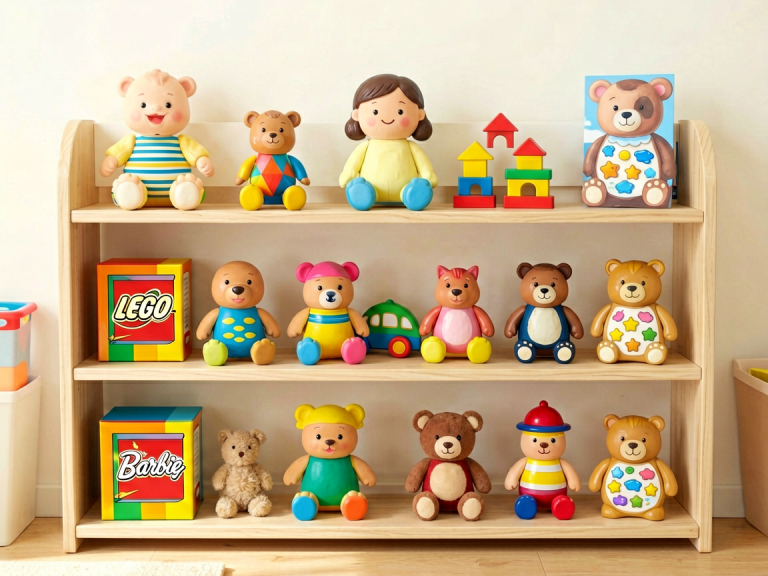
It is equally important to provide a safe, organized environment where materials are accessible. A low shelf with a few baskets—one for blocks, one for art supplies, one for sensory materials—allows a preschooler to choose an activity independently, fostering autonomy and decision-making skills. Rotate materials regularly to sustain interest, but keep the environment simple; too many choices can overwhelm a young child.
Finally, parents and teachers should remember that hands-on learning does not require expensive toys. A cardboard box can become a car, a house, or a castle. A spoon and a plastic container make excellent percussion instruments. The most important ingredient is the adult’s presence and willingness to engage in the child’s world. When a parent sits on the floor and builds a tower alongside their child, they are sending a powerful message: “Your play matters. Your ideas are valuable. I am here with you.”
Conclusion
In the rush to prepare preschoolers for academic success, it can be tempting to focus on letter drills and number tracing. But true school readiness—and more importantly, lifelong learning readiness—comes from rich, hands-on experiences that engage the whole child. When preschoolers squish, pour, build, tear, and create, they are not just playing; they are constructing the very architecture of their minds. They are learning to think, to persist, to collaborate, and to wonder. As parents and educators, our most profound responsibility is to protect this time of exploration, to provide materials and opportunities, and then to step back and watch in awe as young children teach themselves through the most ancient and powerful method of all: touching, doing, and discovering. So let them get messy. Let them dump the beans. Let them build towers that fall. In every drop of spilled water and every grain of sand, there is a lesson waiting to be learned.