The Power of Play: How Two-Year-Olds Learn Best Through Joyful Exploration
Introduction: Why Play Matters More Than Formal Teaching
At the age of two, a child’s brain is developing at an astonishing rate—forming up to one million neural connections every second. This is a critical window for language, motor skills, social-emotional growth, and cognitive development. Yet the most effective way to support this rapid growth is not through flashcards, structured lessons, or academic drills. Instead, it is through play. For a two-year-old, play is not a break from learning; it is the very process of learning itself. This article explores the science behind learning through play for toddlers, provides practical strategies for parents and caregivers, and outlines specific activities that nurture development while keeping toddlers happy and engaged.
The Science Behind Play-Based Learning at Age Two
How the Toddler Brain Absorbs Information
Two-year-olds are naturally curious but have short attention spans—typically only three to six minutes for a single activity. Their brains are wired for sensorimotor exploration: they learn by touching, tasting, shaking, dropping, and observing cause-and-effect patterns. Formal instruction that demands sitting still or following complex instructions is not only ineffective but can frustrate a toddler and dampen their natural enthusiasm. In contrast, play activates multiple regions of the brain simultaneously. When a toddler stacks blocks, for example, they practice fine motor control (hand-eye coordination), spatial reasoning (which block fits where), problem-solving (what happens when the tower falls), and emotional regulation (dealing with frustration or delight). All of this happens without a single worksheet.
Vygotsky’s Zone of Proximal Development and Guided Play
Lev Vygotsky, a pioneering developmental psychologist, introduced the concept of the “Zone of Proximal Development” (ZPD)—the sweet spot where a child can accomplish a task with a little help but not on their own. For two-year-olds, playful interactions with a responsive adult are the ideal way to tap into the ZPD. A caregiver might roll a ball back and forth, gradually increasing distance; or they might introduce new vocabulary during a pretend tea party. This is not “teaching” in the traditional sense but rather guided play, where the adult follows the child’s lead while gently scaffolding new skills. Studies show that guided play leads to deeper learning than either free play alone or direct instruction, because it keeps the child motivated and socially engaged.
Key Developmental Areas Enhanced by Play
Language and Communication
Between 24 and 36 months, a child’s vocabulary explodes from about 50 words to over 300 words, and they begin combining two- or three-word phrases. Play provides the richest context for language acquisition. When a two-year-old pretends to feed a doll, a parent can narrate: “You’re giving the baby a spoon. Now she’s eating peas. Yum!” This natural conversation models grammar, builds vocabulary, and reinforces the connection between words and actions. Songs, fingerplays (like “Itsy Bitsy Spider”), and simple rhyming games also support phonological awareness, which is a precursor to reading.
Motor Skills: Gross and Fine
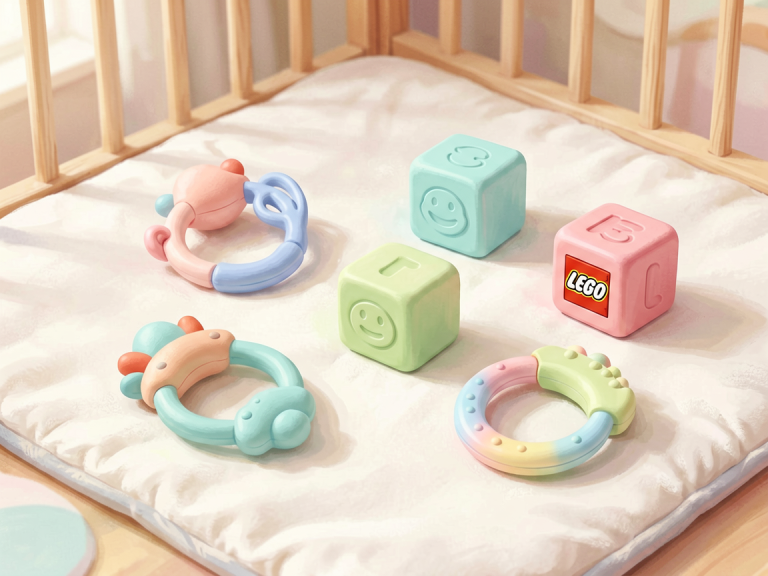
Two-year-olds are on the move—running, climbing, jumping, and falling. Outdoor play, such as pushing a wagon, kicking a large ball, or crawling through a tunnel, builds gross motor strength and balance. Fine motor skills—essential for later writing and self-care—are strengthened through activities like stacking rings, stringing large beads, scooping sand, or peeling stickers. Play dough, finger painting, and crayons (used with supervision) allow toddlers to squeeze, poke, and scribble, developing the small muscles in their hands.
Social and Emotional Development
The toddler years are famous for tantrums, possessiveness, and parallel play (playing near but not with other children). Yet play is how children learn to share, take turns, and manage feelings. A simple game of peek-a-boo teaches object permanence and trust. A pretend picnic with a stuffed animal helps a child express emotions like hunger, happiness, or sadness. When conflicts arise over a toy, a caregiver can guide the toddlers through a simple solution: “First you push the car, then Emma pushes the car.” These moments, repeated hundreds of times through play, gradually build empathy, patience, and self-control.
Cognitive Skills: Problem-Solving and Creativity
Puzzles, shape sorters, and nesting cups challenge a two-year-old to match, compare, and sequence. When a child tries to fit a square peg into a round hole and fails, they learn persistence and flexible thinking. Pretend play—like putting a blanket over a table to make a “cave”—demonstrates symbolic thought, a hallmark of cognitive development. Water play, where a toddler pours, measures, and splashes, introduces basic concepts of volume and gravity. These playful experiments are the foundation of scientific reasoning.
Practical Activities for Learning Through Play
Sensory Bins and Messy Play
A simple plastic bin filled with dry rice, beans, or oatmeal (supervised carefully) provides endless opportunities for scooping, pouring, and hidden-object discovery. Add small cups, spoons, and plastic animals. This activity strengthens fine motor skills, introduces mathematical concepts (full/empty), and expands vocabulary (“scoop,” “pour,” “buried”). For a seasonal twist, use cooked spaghetti, shaving cream, or water beads (always under close adult supervision to prevent choking).
Pretend Play and Role-Playing
At age two, children begin to engage in symbolic pretend play. Set up a “grocery store” with empty food containers, a small shopping basket, and play money. Let your toddler be the cashier, scanning items and handing them to you. This builds social scripts, language, and early math (counting items). A “doctor’s kit” with a toy stethoscope and bandages allows a child to process fears about medical visits while practicing nurturing behaviors.
Music, Movement, and Rhythms
Toddlers love to move. Turn on simple songs with actions like “Head, Shoulders, Knees, and Toes” or “If You’re Happy and You Know It.” Dancing freely to music develops body awareness and coordination. Provide simple instruments—shakers, drums, or a xylophone—to explore cause and effect (shaking makes sound) and rhythm. Singing nursery rhymes with exaggerated expressions reinforces language patterns and auditory discrimination.
Outdoor Exploration
Nature offers the richest sensory play. Collect leaves, rocks, and sticks; sort them by size or color. Let your toddler dig in the dirt, splash in puddles, or push a toy lawnmower. These activities encourage observation, curiosity, and physical development. For a two-year-old, a simple walk can be a treasure hunt: “Can you find something yellow? Can you hear a bird?” This turns an ordinary outing into a lesson in attention and classification.
Building and Construction
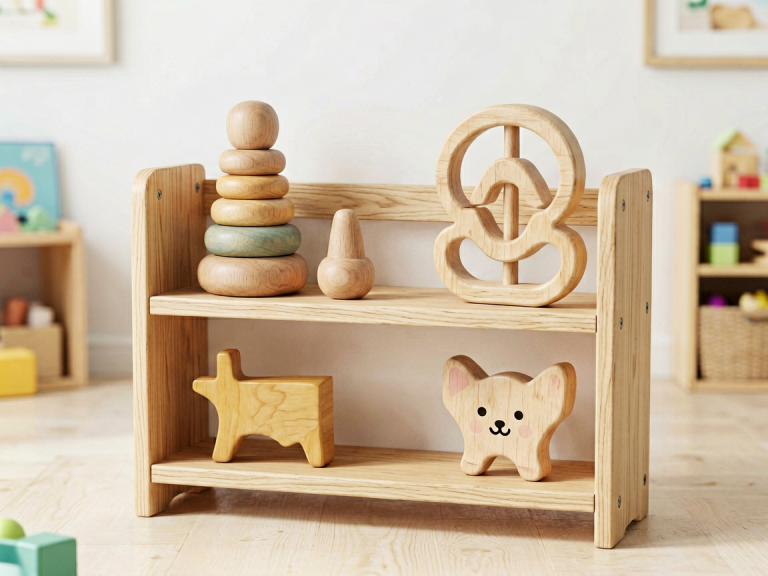
Large, lightweight blocks (foam or cardboard) are ideal for stacking, knocking down, and balancing. Wooden unit blocks offer different shapes and textures. Building a tower and watching it fall teaches physics concepts (gravity, stability) and emotional regulation (coping with collapse). Even simpler: stacking plastic yogurt cups or empty tissue boxes. The process of planning, attempting, and adjusting is a powerful cognitive exercise.
How to Support Play Without Over-Structuring
Follow the Child’s Lead
The golden rule for two-year-old play is to let the child choose. If your toddler wants to spend 20 minutes spinning the wheels of a toy car instead of doing the “planned” activity, that is perfectly valuable. Intervene only when safety is a concern. By following their interests, you validate their curiosity and deepen engagement.
Provide Open-Ended Materials
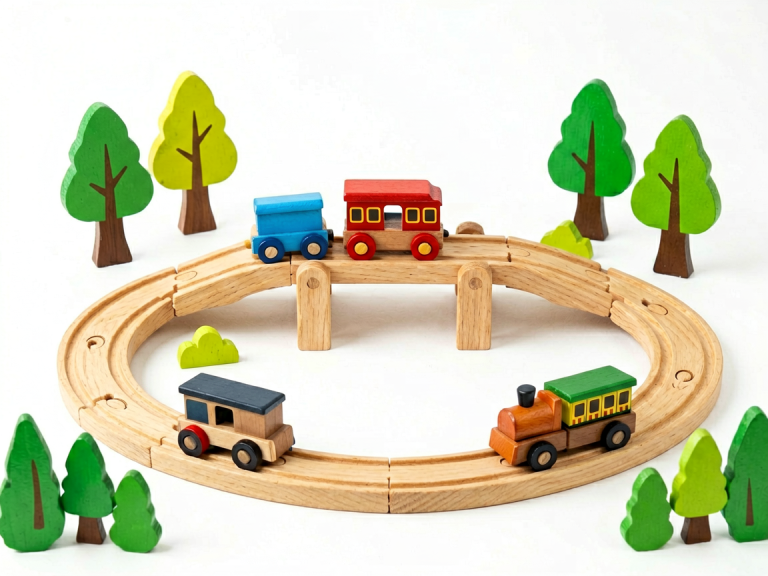
Avoid toys that do only one thing (e.g., a battery-operated talking toy). Instead, offer open-ended items: blocks, play scarves, empty cardboard boxes, pots and pans. A cardboard box can become a house, a car, a spaceship, or a hat. These materials encourage creativity and flexible thinking because there is no “right” way to play with them.
Use Rich Language Without Testing
When playing together, describe what the child is doing: “You put the red block on top. Now you’re adding the blue one. Uh-oh, it wobbled!” This is called “self-talk” and “parallel talk.” It builds vocabulary without putting pressure on the child to respond. Resist the urge to quiz (“What color is this?”). Instead, model language naturally. The child will absorb it at their own pace.
Embrace Repetition and Mess
Two-year-olds thrive on repetition. They may want to read the same book ten times or pour water back and forth for half an hour. This is not boredom—it’s mastery. Each repetition deepens neural pathways. Likewise, messy play (paint, sand, water) can feel overwhelming for adults, but it is essential for sensory development. Set up a “yes space” where mess is allowed, use a smock or a tarp, and focus on the joy rather than the cleanup.
Balance Free Play with Guided Moments
While free play is crucial, a short period of guided play each day—where you intentionally introduce a new concept like colors, numbers, or social skills—can be highly beneficial. Keep it brief: five to ten minutes. For example, play a game of “find the hidden toy under one of three cups” to build memory and object permanence. Or sing a counting song while stacking blocks. The key is to keep it playful, not pressured.
Conclusion: Trust the Process of Play
In a world that often pressures parents to accelerate their child’s academic achievements, it takes courage to simply let a two-year-old play. Yet research consistently shows that play is the most developmentally appropriate and effective vehicle for learning at this age. When a toddler rolls a ball, pretends to cook, or splashes in a puddle, they are not just “passing time”—they are building the neural architecture that will support reading, math, social relationships, and emotional health for the rest of their lives. The best gift a caregiver can give a two-year-old is time, attention, and a rich environment for playful exploration. So put away the flash cards, get down on the floor, and join the adventure. The learning is already happening with every giggle, every question, and every block that falls—and then gets stacked again.