Reclaiming Childhood: The Power of Screen-Free Play for Three-Year-Olds (and How to Replace TV Time)
Introduction
The glow of a screen has become a ubiquitous babysitter in modern households, and for many parents of three-year-olds, the TV offers a precious few minutes of quiet to prepare dinner, answer emails, or simply breathe. Yet a growing body of child development research warns that excessive screen time at this critical age can hinder language acquisition, shorten attention spans, and reduce opportunities for the kind of unstructured, hands-on play that builds problem-solving skills and social competence. For a three-year-old, the world is still being discovered through touch, movement, sound, and interaction—not through passive viewing. Replacing TV time with screen-free play is not about banning entertainment; it is about investing in a child’s cognitive, emotional, and physical growth. This article explores why screen-free play matters, offers practical strategies to fill those TV-free hours, and provides a rich menu of engaging activities that will captivate a three-year-old’s imagination without a single pixel.
The Critical Window: Why Age Three Matters for Brain Development
At age three, a child’s brain is forging neural connections at a breathtaking pace—approximately 700 to 1,000 new synapses every second. This period, often called the “sensitive period” for language, executive function, and social-emotional skills, is profoundly shaped by direct experience. When a child builds a block tower, she learns about gravity, balance, and cause and effect. When she pretends to feed a doll, she practices empathy and narrative sequencing. Screen-based activities, by contrast, provide a two-dimensional, pre-packaged reality that requires little active problem-solving. Studies from the American Academy of Pediatrics indicate that even “educational” television programs at this age offer limited learning gains compared to live, interactive play, because the brain of a three-year-old is wired to learn best through multi-sensory, reciprocal interactions. Replacing just 30 minutes of TV per day with unstructured play can significantly boost a child’s vocabulary, creativity, and ability to delay gratification. The three-year-old brain craves novelty, repetition, and feedback—all of which are abundant in real-world play, but scarce on a screen.
Beyond Entertainment: What TV Time Steals from a Three-Year-Old
It is tempting to view TV as harmless background noise or a convenient tool, but for a three-year-old, each minute in front of the screen carries an opportunity cost. Consider these hidden losses:
- Movement and gross motor development. Three-year-olds need to run, jump, climb, and spin to strengthen muscles, improve balance, and support spatial awareness. TV encourages sedentary stillness, which can delay motor milestones.
- Language and conversational turn-taking. Screens talk at children, not with them. Research shows that for every hour of TV watched, a toddler hears an average of 770 fewer words from a live caregiver. Conversational back-and-forth—the heart of language growth—is replaced by one-way listening.
- Self-regulation and frustration tolerance. When a block tower collapses, a three-year-old must decide to cry, try again, or ask for help. This messy process builds emotional resilience. A TV show, with its seamless narrative, never frustrates—and therefore never teaches the child how to cope with small failures.
- Imagination and creative thinking. A cardboard box can become a spaceship, a cave, or a castle only when a child is free from ready-made images. Screens supply premade characters and plots, leaving little room for the child to invent her own world.
Understanding these losses is the first step toward embracing screen-free play as a richer alternative, not a punishment.
Designing a Screen-Free Play Environment: Practical Strategies
Replacing TV time requires intentionality, not perfection. Begin by setting a clear daily limit—for example, no TV before a certain hour, or only during a specific 15-minute window that you structure as a family ritual (like watching a short nature clip together). Then, create an environment that invites play.
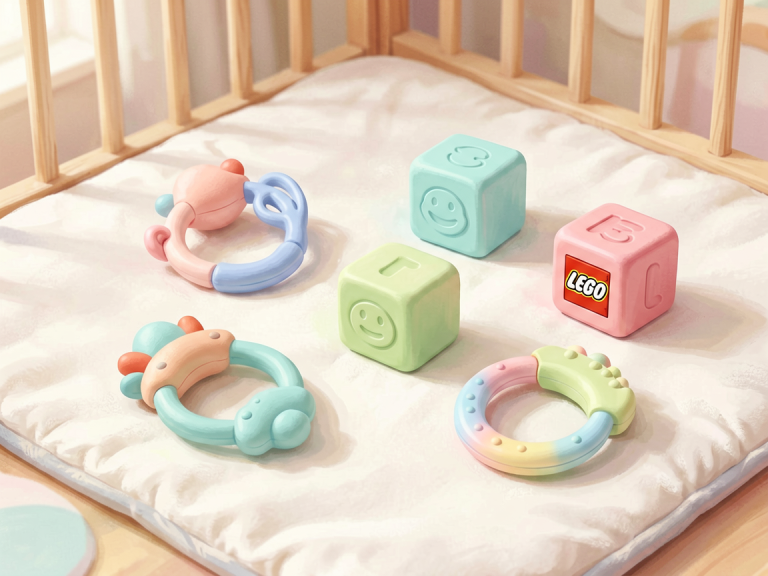
- Curate open-ended toys. Rotate a small selection of toys that allow multiple uses: wooden blocks, animal figurines, play dough, crayons, puzzles, and a simple dollhouse. Too many toys overwhelm a three-year-old’s decision-making; too few bore them. Aim for 6–8 accessible choices that change weekly.
- Design “play invitations.” Before you need a break, set out a small collection of materials on a tray or in a special spot: a bowl of water with measuring cups, a basket of scarves for dress-up, or a tray of dry rice hidden with a few plastic animals. These low-effort setups can captivate a child for 20–30 minutes.
- Use the outdoors as a default. Keep shoes and a jacket by the door. Even ten minutes in a backyard or on a balcony—digging in dirt, blowing bubbles, chasing a ball—can reset a child’s focus and reduce the appeal of the TV.
- Create a “play first” rule. When your child asks for the TV, gently redirect: “Let’s read a book first, and then we’ll see.” Over time, this builds a habit that play is the primary activity, and screens are a rare and special treat.
30 Screen-Free Play Ideas to Replace TV Time
Here is a curated list of engaging, low-prep activities that work wonderfully for three-year-olds, organized by skill area:
*Language & Imagination*
- Act out a favorite story with puppets made from socks or paper bags.
- “Read” a wordless picture book together, taking turns inventing what happens.
- Play “I Spy” with colors or shapes around the room.
- Sing songs with hand motions (e.g., “Itsy Bitsy Spider,” “Wheels on the Bus”).
- Create a simple storytelling basket with three toys; your child picks two and you make up a short tale.
*Fine Motor & Sensory*
- Squeeze play dough using plastic scissors or cookie cutters.
- Thread large beads onto a shoelace or pipe cleaner.
- Paint with water on a dark sidewalk or driveway.
- Fill a shallow bin with dry oatmeal or rice and hide small objects for digging.
- Tear scrap paper into pieces and glue them onto a cardboard shape.
*Gross Motor & Movement*
- Build an obstacle course using pillows, a blanket tunnel, and a line of masking tape on the floor.
- Have a “freeze dance” party (stop the music and everyone freezes).
- Blow bubbles and chase them, trying to pop as many as possible.
- Crawl like a bear, hop like a frog, or slither like a snake across the room.
- Use painter’s tape to create a balance beam on the floor.
*Cognitive & Problem-Solving*
- Sort socks by color or size during laundry.
- Complete a simple 4–6 piece puzzle together.
- Play simple memory games with two matching pairs of cards.
- Build a tower taller than the child’s nose, then count how many blocks it took.
- Hide a small toy somewhere in the room and give simple directional clues (“warmer,” “colder”).
*Social & Emotional*
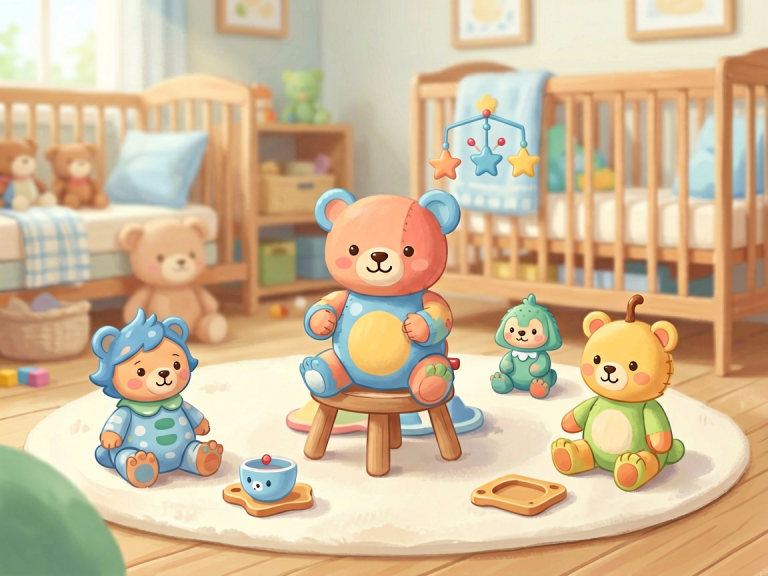
- Pretend to run a pet hospital with stuffed animals, complete with bandages.
- Set up a pretend kitchen with empty food boxes, pots, and plastic utensils.
- Have a “tea party” with water or pretend tea and talk about good manners.
- Take turns being the “teacher” and the “student” while reading a short book.
- Use a mirror to make funny faces and name the emotions.
*Nature & Outdoor Play*
- Collect leaves, acorns, or rocks and sort them into categories.
- Draw with sidewalk chalk on a driveway or fence.
- Water a small garden or houseplant with a child-sized watering can.
- Lie on a blanket and look for shapes in the clouds.
- Have a “puddle jumping” session after a rain (with boots on, of course).
Rotate these ideas so that no activity feels obligatory. The key is to follow your child’s lead—if she becomes fascinated by the block tower, let her build for an hour.
The Role of Parents: Modeling and Participating
Screen-free play flourishes when parents actively participate—at least some of the time. This does not mean you must entertain your child every waking moment. Rather, it means showing that play is valued. Sit on the floor and build alongside her for ten minutes; engage in her pretend-play narrative; narrate what you see (“I notice you put the red block on top. It wobbled, but it stayed!”). Your presence validates her efforts and teaches her that play is a shared, joyful activity. Equally important is modeling your own screen-free life. If you scroll through your phone while she plays, the message is that screens are more interesting than the real world. Instead, read a book, fold laundry, or draw while she plays, and occasionally comment on what she is doing. When she sees that you too choose hands-on activities, she will internalize that habit.
Overcoming Challenges: Managing Cravings and Sibling Dynamics
Expect withdrawal symptoms. A child accustomed to daily TV may initially protest or whine. This is normal—and it will pass. Respond with empathy but firmness: “I know you want to watch cartoons right now. It’s hard to change habits. But we are going to read a book together, and then you can choose a toy.” Offer two choices: “Do you want to play with blocks or do a puzzle?” A sense of control reduces resistance. For siblings, structure parallel play: give each child a small bin of toys or assign them a joint task like building a train track. If conflict arises, use it as a teaching moment rather than resorting to TV as a pacifier. Remember that the hardest days are usually the first three to five; after that, the child’s natural curiosity will re-engage.
The Long-Term Benefits: Creativity, Focus, and Social Skills
The investment in screen-free play pays dividends far beyond age three. Children who spend more time in unstructured, self-directed play develop stronger executive function skills—working memory, cognitive flexibility, and inhibitory control. They learn to sustain attention on a task because the task is intrinsically rewarding, not because the screen delivers rapid rewards. Socially, they become better at reading non-verbal cues, negotiating, and resolving conflicts because they have practiced these skills with peers and caregivers rather than watching pre-scripted interactions on a screen. Furthermore, their creativity flourishes: a child who has spent hours turning a blanket into a tent can later reimagine a math problem or a writing assignment with the same inventiveness. In a hyper-connected world, the ability to be bored and then create one’s own amusement is a superpower—and it is cultivated in the quiet, messy, joyful hours of screen-free play.
Conclusion
Replacing TV time with screen-free play for a three-year-old is not a deprivation but a gift. It takes patience, creativity, and a willingness to embrace messiness and occasional boredom. Yet every parent who makes this shift reports a transformation: their child talks more, moves more, laughs more, and plays more deeply. The TV can wait. The world of discovery, with all its blocks, puddles, and pretend tea parties, is waiting too. Start small—choose a 30-minute window each day to turn off the screen and offer a simple invitation to play. Observe what happens. You may find that both you and your child prefer the real, rich, and unrepeatable moments that screen-free time creates.