Rediscovering Childhood: Screen-Free Play for Preschool Girls to Replace Tablet Time
In the quiet corners of modern homes, a small hand reaches for a glowing tablet before the sun has fully risen. The preschool girl, barely three or four, swipes and taps with practiced ease, her face illuminated by a world of animated cartoons, digital puzzles, and streaming videos. This scenario has become so routine that many parents barely question it. Yet a growing body of research warns that excessive screen time in early childhood—especially for preschool girls who are often marketed passive, pink‑washed apps—can undermine development in ways that are subtle but profound. The answer is not simply to limit screens, but to replace them with something richer: screen‑free play. By intentionally designing daily life around hands‑on, imaginative, and physically active play, we can give preschool girls the foundation they need to grow into confident, creative, and socially adept children. This article explores why such a shift matters, what unique benefits screen‑free play offers to young girls, practical play ideas, and strategies for making the transition both joyful and sustainable.
The Hidden Costs of Excessive Tablet Time for Preschool Girls
The allure of tablets is undeniable: they are quiet, portable, and endlessly entertaining. For busy parents, a few minutes—or hours—of screen time can feel like a lifesaver. But the costs, especially for preschool girls, accumulate quickly. At this age, the brain is forming neural connections at an astonishing rate, and what children do with their time literally shapes their cognitive architecture.
One of the most immediate concerns is the impact on attention and executive function. Fast‑paced, visually overstimulating content—common in many children’s apps and videos—trains the brain to expect constant novelty. When a child then attempts a slower, real‑world activity like building a block tower or drawing, she may quickly become bored or frustrated. Studies have shown that even moderate screen time before age five is associated with lower scores on measures of inhibitory control and working memory. For preschool girls, who are often socialized to be “good” and compliant, the passivity of screen consumption can also reduce opportunities to practice self‑regulation through messy, trial‑and‑error play.
Language development is another area of concern. Interactive screen time—such as video calls—can be beneficial, but passive consumption of pre‑recorded content does not provide the back‑and‑forth, contextualized conversation that fuels vocabulary growth. A 2019 study published in *JAMA Pediatrics* found that for every 30‑minute increase in screen time among toddlers, the risk of expressive language delay rose significantly. Moreover, the content many apps and shows target toward girls often emphasizes appearance, emotional passivity, and narrow gender roles, which can subtly limit the range of ideas and words they absorb.
Social‑emotional development also suffers. Screens replace the messy, unpredictable interactions of free play—negotiating who gets the red block, comforting a crying friend, or pretending to be a veterinarian. During tablet time, a girl learns to react to programmed responses rather than to real human emotions. She loses practice reading facial cues, tone of voice, and body language. As a result, some children enter kindergarten with weaker social skills, higher anxiety, and less resilience. The seductive glow of a screen may keep a child quiet, but it silences the very experiences that build empathy and confidence.
The Unique Benefits of Screen‑Free Play for Girls’ Development
If screens extract a hidden tax, screen‑free play pays rich dividends—especially for preschool girls. At its core, free play is intrinsically motivated, self‑directed, and open‑ended. It allows a child to be the author of her own story, and that authorship is profoundly empowering.
Imagination and creativity flourish when there is no app dictating the rules. A cardboard box becomes a castle, a spaceship, or a bakery. A handful of pebbles turns into a family of bears. Screen‑free play invites girls to generate their own narratives, characters, and problems to solve. This kind of symbolic thinking is the bedrock of later academic skills like reading comprehension and mathematical reasoning. Moreover, play that involves storytelling—whether through dolls, puppets, or dress‑up—helps girls develop narrative skills and emotional vocabulary. When a child says, “The princess is sad because her friend moved away,” she is learning to articulate feelings and imagine perspectives.
Physical motor development also benefits dramatically. Tablet time typically involves only fine‑motor movements of the fingers and a static posture. In contrast, screen‑free play encourages whole‑body activity: running, climbing, jumping, balancing, and manipulating objects. For preschool girls, who are often encouraged toward quieter, “lady‑like” activities, it is especially important to provide opportunities for vigorous, messy, and risky play. Digging in the mud, building with large blocks, and scaling a climbing frame build not only strength and coordination but also proprioception—the sense of where one’s body is in space. These skills are crucial for later sports, handwriting, and even classroom focus.
Socio‑emotional growth in screen‑free play is unmatched. When girls play together without a screen, they must negotiate, share ideas, resolve conflicts, and sometimes fail. A fallen block tower teaches frustration tolerance; a disagreement over who gets to be the teacher teaches compromise. These real‑world practice runs are essential for developing what psychologists call “effortful control”—the ability to manage impulses and emotions. Additionally, screen‑free play often involves deep, undivided attention from a parent or caregiver. That one‑on‑one interaction—making eye contact, laughing together, responding to cues—strengthens attachment and builds the child’s sense of security and worth.
Practical Screen‑Free Play Ideas That Engage Preschool Girls
Knowing the benefits is one thing; implementing them is another. The key is to offer a menu of appealing, low‑cost activities that tap into a preschool girl’s natural curiosities. Avoid gender stereotypes—not every girl wants to play house or dress in pink—but do observe what genuinely fascinates her.
Art and Sensory Play
Sensory bins are a hit: fill a shallow container with dry rice, lentils, or sand, and add scoops, small cups, plastic animals, and spoons. Add a drop of lavender oil for a calming scent. For older preschoolers, set up a “painting station” with washable tempera paints, different sized brushes, and paper. Let her mix colors freely. The goal is process, not product. Finger painting, play‑dough sculpting, and cutting with safety scissors all build fine‑motor skills and creativity.
Dramatic Play and Storytelling
Dress‑up clothes—old hats, scarves, adult shoes, and costume jewelry—invite infinite role‑playing. Set up a “pretend kitchen” with empty food boxes and pots. Build a “doctor’s office” with a toy stethoscope and bandages. Encourage her to tell you a story, then act it out together. For a twist, try shadow puppets with a flashlight and a white wall. This kind of play develops language, empathy, and problem‑solving.
Outdoor Exploration
Nature is the ultimate open‑ended resource. Go on a “color hunt” where she finds leaves, flowers, and stones in different hues. Collect sticks and build a tiny fort for toy animals. Dig in the garden or just splash in puddles. If you have access to a park, let her climb, swing, and run. Physical play in nature reduces stress and improves mood. Even a simple walk can become a treasure hunt: “Can you find something bumpy? Something smooth?”
Construction and Manipulatives
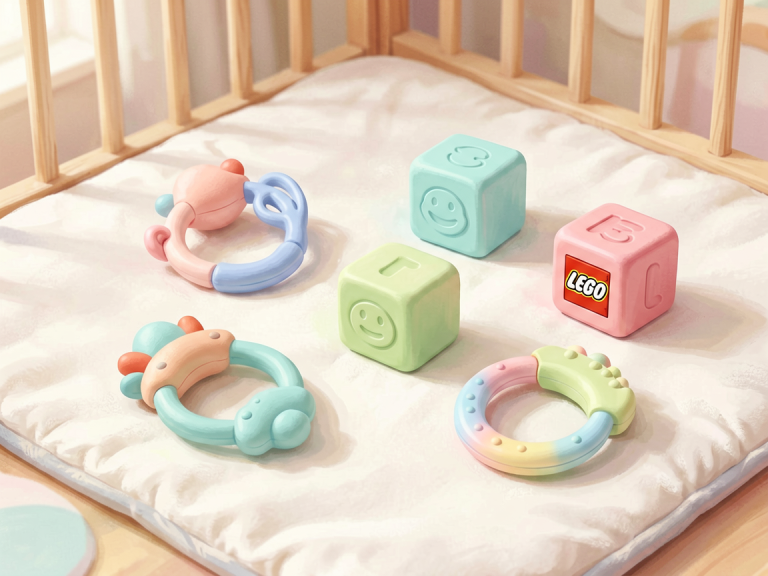
Building with blocks, LEGO Duplo, magnetic tiles, or wooden train tracks develops spatial reasoning and persistence. Encourage her to build a tower as tall as her waist, then a bridge for her toy cars. Pattern blocks and large floor puzzles also engage logic. For a cooperative challenge, ask her to build a “house for a mouse” using only ten blocks—this forces planning and creativity.
Music and Movement
Turn on a playlist and have a dance party. Play instruments—shakers, drums, xylophones—and make up songs. Movement games like “Freeze Dance” or “Simon Says” help with listening skills and impulse control. You can also sing nursery rhymes with hand motions, which boost memory and coordination.
Strategies for Successfully Transitioning from Tablets to Play
Shifting a child’s habits—and your own—requires intention, patience, and a bit of creativity. Screens are designed to be addictive, so simply taking away the tablet without offering compelling alternatives will likely cause meltdowns. Instead, use a gradual, positive approach.
Set Clear Boundaries
Establish “no‑screen zones” (e.g., the bedroom and dining table) and “no‑screen times” (e.g., morning after waking, an hour before bed). Use a visual timer so she knows exactly when tablet time ends. Frame it positively: “Let’s have a fun playtime now, and we’ll watch our show after lunch.”
Curate the Environment
Arrange your living space to invite play. Keep a low shelf with rotating toys—puzzles, art supplies, blocks—that are easily accessible. Put tablets and phones out of sight (and out of reach). When a child sees a play invitation, she is far more likely to engage than when she sees a glowing screen.
Be a Play Partner (At First)
Especially if she has spent a lot of time with screens, your child may not know how to start a play session. Sit down with her and begin building with blocks, making silly voices with puppets, or drawing alongside her. Follow her lead. As she becomes absorbed, gradually step back. Your presence and enthusiasm are the most powerful “app” you can offer.
Embrace Boredom
Resist the urge to fill every moment with scheduled activities. Boredom is a creative catalyst. When she says, “I’m bored,” resist offering a screen. Instead, say, “I wonder what you could invent.” Then wait. Often, the most inventive play emerges from a few minutes of empty time.
Manage Your Own Screen Habits
Children learn by watching. If you are constantly checking your phone during playtime, she will perceive screens as more valuable than face‑to‑face interaction. Put your own device away, make eye contact, and be fully present. This models the behavior you want to see.
Prepare for Setbacks
Transitions are rarely smooth. She may ask for her tablet multiple times. Stay calm and empathetic: “I know you miss your show. It’s hard to stop. But look – the play‑dough is ready, and we can make cupcakes together.” Over days and weeks, the resistance will fade as she rediscovers the joy of hands‑on play.
Conclusion: A Gift That Lasts a Lifetime
Replacing tablet time with screen‑free play is not about denying a child technology forever. It is about prioritizing what matters most during the critical preschool years: real‑world experiences that build brains, bodies, and hearts. For preschool girls, especially, this shift offers a chance to develop a strong sense of agency, creativity, and resilience—qualities that no app can teach. The cardboard box castle may get crushed, the painting may drip, and the block tower may tumble, but in each moment, a little girl is learning to imagine, to try again, and to connect with the people and world around her. That is a gift no screen can match. So put down the tablet, open the door, and let the messy, beautiful adventure of play begin.