Safe Learning Toys for Kids: A Guide to Choosing Educational Playthings That Protect and Inspire
Introduction: Why Safety and Learning Must Go Hand in Hand
In today’s fast‑paced world, parents and educators alike are constantly searching for toys that do more than just entertain. The ideal toy sparks curiosity, fosters cognitive development, and—above all—keeps children safe. “Safe learning toys for kids” is not merely a buzzword; it is a fundamental principle that should guide every purchase. From the materials used to the design philosophy behind each product, safety and education are two sides of the same coin. This article explores the essential criteria for selecting safe learning toys, highlights the most effective categories, and offers practical advice for caregivers who want to nurture young minds while protecting their well‑being.
The Hidden Dangers in Conventional Toys
Before diving into what makes a toy safe, it is important to understand the risks that lurk in many mass‑produced playthings. Toxic chemicals such as lead, phthalates, and BPA have been found in cheap plastics, paints, and adhesives. Small parts pose choking hazards for children under three. Sharp edges, long cords, and batteries that can leak or overheat are additional concerns. Even seemingly innocent toys like play‑dough or finger paints may contain allergens or irritants. According to the U.S. Consumer Product Safety Commission, thousands of toy‑related injuries are reported each year, many of which could be prevented by choosing safer alternatives. Therefore, the first step in selecting a learning toy is to verify its compliance with international safety standards such as ASTM F963 (USA), EN 71 (Europe), or AS/NZS ISO 8124 (Australia/New Zealand).
Material Safety: What to Look For and What to Avoid
Natural and Non‑Toxic Materials
The safest learning toys are made from natural, sustainably sourced materials. Untreated wood—especially from beech, maple, or bamboo—is a classic choice. Wooden blocks, puzzles, and stacking toys are durable, free from synthetic chemicals, and provide a pleasant sensory experience. Look for toys finished with water‑based, non‑toxic paints or beeswax, rather than solvent‑based varnishes. Similarly, organic cotton, wool, and natural rubber are excellent for soft toys, dolls, and teething rings. These materials are hypoallergenic and biodegradable, reducing environmental impact as well.
BPA‑Free and Phthalate‑Free Plastics
When plastic is unavoidable—for example, in construction sets, building bricks, or certain electronic learning devices—choose those labeled BPA‑free, phthalate‑free, and lead‑free. High‑quality brands like Lego’s standard bricks now meet rigorous safety standards, but cheaper knockoffs may not. Also avoid toys that have a strong chemical odor, as that often indicates off‑gassing of volatile organic compounds (VOCs). Silicone is another safe alternative: food‑grade silicone is soft, durable, and free from harmful additives, making it ideal for teethers, bath toys, and cooking playsets.
Avoiding Hidden Hazards: Magnets, Batteries, and Small Parts
Learning toys that incorporate magnets (e.g., magnetic building tiles) must have fully enclosed magnets that cannot be swallowed. Button batteries—commonly found in talking books, light‑up toys, and electronic games—are extremely dangerous if ingested. The best safe toys either use a screw‑secured battery compartment that requires a tool to open, or they are battery‑free. For children under three, the “small‑parts test” is crucial: any component that fits inside a toilet paper roll is a choking hazard. Stick to toys that are specifically designed for the child’s age group, and always supervise play with older children’s toys around younger siblings.
Age‑Appropriate Design: Matching Toys to Developmental Stages
Infants (0–12 Months): Sensory Exploration with Ultra‑Safe Materials
For babies, safe learning toys focus on sensory stimulation: high‑contrast black‑and‑white cards, soft rattles, crinkle books, and teething rings. These toys should be lightweight, free of sharp corners, and large enough to prevent swallowing. Look for items that are machine‑washable for hygiene. A simple organic cotton ball with a bell inside or a smooth wooden ring are perfect examples. At this stage, learning comes through mouthing, grasping, and shaking—so non‑toxicity is paramount.
Toddlers (1–3 Years): Encouraging Movement and Problem Solving
Toddlers are on the move, and their toys must keep up. Push‑and‑pull toys, shape sorters, nesting cups, and large peg puzzles are ideal. Safety features include rounded edges, sturdy construction (no breakable parts), and non‑toxic finishes. Avoid toys with long strings or cords longer than 12 inches, as they pose strangulation risks. Stacking blocks made of lightweight foam or soft fabric can prevent injuries from falls. Learning is embedded in cause‑and‑effect: a pull‑along duck that waddles teaches balance and coordination; a shape sorter builds early logic and fine motor skills.
Preschoolers (3–5 Years): Imagination and Early Academics
Preschoolers thrive on pretend play and early learning concepts. Safe toys in this category include wooden kitchen sets, dollhouses, train tracks, and art supplies (washable, non‑toxic crayons and water‑based paints). Construction sets with larger interlocking pieces (e.g., Duplo) are excellent. Avoid sets with tiny accessories that could be swallowed. Electronic learning toys should have volume controls to protect hearing and a timer to prevent over‑stimulation. Look for those that teach letters, numbers, shapes, and phonetics through engaging, non‑violent interactions.
School‑Age Children (5+ Years): Advanced STEM and Creative Kits
For older children, safe learning toys include science kits (with safe chemicals, goggles, and clear instructions), robotics sets, and complex building systems like K’Nex or Meccano. These should include all necessary safety gear (e.g., safety scissors, rounded‑tip tweezers). Circuit‑building kits should use low‑voltage, battery‑powered components. Chemistry kits must be free of hazardous substances like borax or strong acids—many reputable brands now offer “green” chemistry sets. Always check that the toy’s recommended age matches the child’s ability to follow instructions and understand risks.
Educational Value: How Safe Toys Foster Real Learning
Cognitive Development Through Open‑Ended Play
The best safe learning toys are open‑ended—they can be used in multiple ways, encouraging creativity and critical thinking. Wooden blocks, for instance, can become a castle, a bridge, or a counting tool. Magnetic tiles allow children to build 2D and 3D structures while learning geometry and balance. Such toys grow with the child, providing years of use. They also reduce the frustration that comes from toys with a single “correct” answer, promoting a growth mindset.
Language and Social Skills
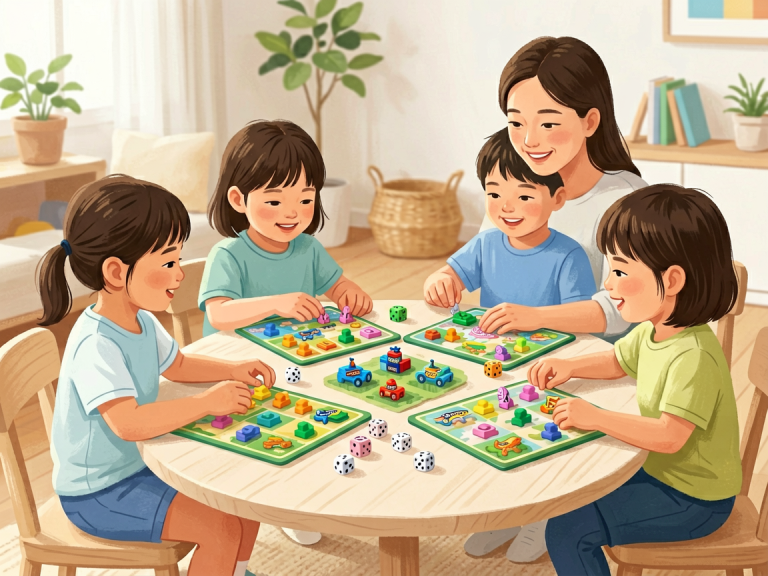
Toys that promote interaction—like simple board games, cooperative puzzles, or puppets—teach turn‑taking, negotiation, and vocabulary. Safe learning toys for group play should have large, durable pieces that are easy for small hands to manipulate. Storytelling sets with non‑toxic felt characters encourage narrative skills. Even a set of colorful, safe stacking cups can be used to teach colors, sizes, and sequences during parent‑child play sessions.
STEM Foundations Without Digital Overload
While screens are ubiquitous, many educators emphasize the value of “low‑tech” learning toys. A wooden abacus, a balance scale, or a set of pattern blocks teaches mathematical concepts effectively without exposing children to blue light or addictive algorithms. Science toys like a bug‑catching kit (with a magnifying glass and safe handling tools) or a weather station engage children with the natural world. These toys promote observation, hypothesis‑testing, and patience—skills that digital apps often fail to cultivate.
Practical Tips for Parents and Caregivers
Research Before You Buy
Always read product labels and reviews. Look for certification marks like CE, ASTM, or the Green Guard logo. Check for recalls on the CPSC website. Avoid toys sold by unverified third‑party sellers on online marketplaces, as counterfeit versions often cut corners on safety. When in doubt, choose high‑quality brands with transparent supply chains.
Regular Inspection and Maintenance
A safe toy today may become hazardous tomorrow if it breaks, develops sharp edges, or loses small parts. Inspect toys regularly for cracks, splinters, or loose components. Wash fabric toys according to instructions. Discard any toy that shows signs of wear that could harm a child. For electronic toys, replace batteries promptly and check that battery compartments remain secure.
Balance Safety with Sensory and Motor Challenges
Safe does not mean boring. Children need to take measured risks to develop resilience and motor skills. For example, a wooden balance beam that is low to the ground (with a soft landing mat) teaches coordination safely. Climbing frames should have sturdy construction and anchor points. The key is to eliminate life‑threatening hazards while allowing for scraped knees and stumbles—these are part of healthy childhood development.
Conclusion: Investing in a Safer, Smarter Future
Selecting safe learning toys for kids is an act of love and responsibility. It means looking beyond flashy packaging and marketing claims to examine what the toy is made of, how it is built, and how it supports a child’s growth. The right toys empower children to explore, experiment, and imagine—all within a protective framework that gives parents peace of mind. As the global toy industry continues to evolve, consumers have more power than ever to demand safety and sustainability. By prioritizing non‑toxic materials, age‑appropriate design, and educational value, we can create an environment where play is both joyful and enriching. After all, the most precious thing we give our children is not a toy—it is the chance to learn, safely, every single day.