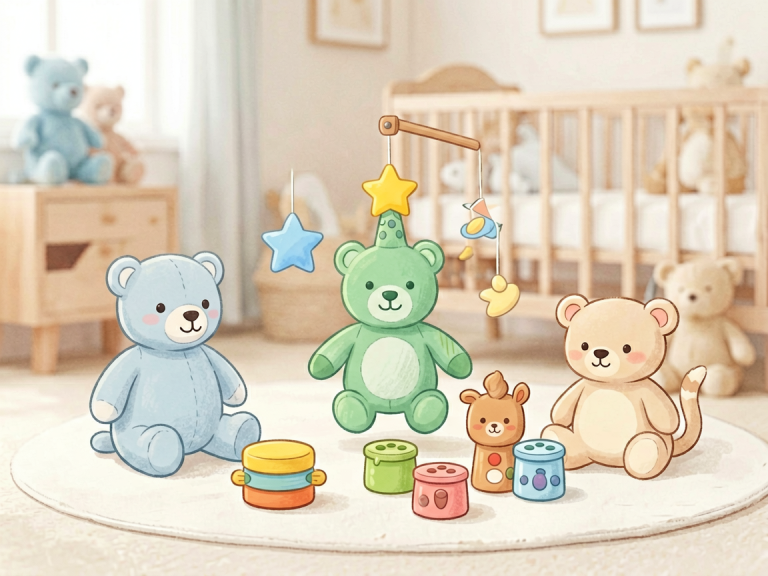
The Ultimate Screen-Free Indoor Play Guide for Parents: Reclaiming Creativity, Connection, and Calm
Introduction: Why Screen-Free Play Matters More Than Ever
In an era where digital devices dominate our daily lives, the humble art of screen-free indoor play has become a revolutionary act of parenting. Children today spend an average of 5–7 hours per day looking at screens—a number that has only climbed since the pandemic. While educational apps and streaming services offer convenience, they often replace the unstructured, imaginative, and sensory-rich play that builds critical thinking, emotional resilience, and fine-motor skills.
This guide is designed for parents who want to transform their living rooms, bedrooms, and kitchens into vibrant play zones without a single pixel. Whether you’re facing a rainy afternoon, a pandemic lockdown, or simply a desire to reduce screen time, the following strategies will help you foster deep engagement, independence, and joy in your child—without batteries, WiFi, or subscriptions.
Note on Age Adaptability: The activities below are broadly divided by developmental stage, but every child is unique. Feel free to adjust difficulty, materials, and supervision levels to match your child’s interests and abilities.
—
1. The Power of Loose Parts: Open-Ended Materials That Spark Endless Creativity
What Are Loose Parts?
Loose parts are any objects that can be moved, combined, redesigned, taken apart, and put back together in countless ways. Think cardboard boxes, fabric scraps, bottle caps, pinecones, pebbles, wooden blocks, buttons, yarn, and even old keys. Unlike single-purpose toys (a plastic fire truck that only drives), loose parts invite children to become engineers, artists, storytellers, and scientists.
How to Set Up a Loose Parts Invitation
- Curate a “Treasure Basket”: Fill a shallow bin or tray with 10–15 natural or recycled objects. For toddlers (1–3 years), avoid choking hazards; use large items like scarves, rubber spatulas, and empty plastic containers. For preschoolers and up, add smaller items like beads, corks, and seashells.
- Present Without Instructions: Place the basket on the floor or a low table. Don’t tell your child what to do—let them explore. You might say, “I wonder what you can create with these.”
- Rotate Weekly: Overexposure dulls curiosity. Swap out half the items every 7–10 days to reignite interest.
Activity Ideas Using Loose Parts
- Construction Zone: Combine wooden blocks, cardboard tubes, and masking tape to build a city, a bridge, or a rocket ship.
- Nature Collage: On a rainy day, use leaves, twigs, and petals (collected earlier) with glue and paper to create textured art.
- Sensory Sorting: Provide bowls, tongs, and a mix of materials (e.g., pompoms, acorns, fabric squares). Challenge your child to sort by color, texture, or size.
Why It Works: Loose parts stimulate divergent thinking—the ability to generate multiple solutions to a single problem. A cardboard box is not a box; it’s a castle, a car, a time machine. This flexibility is the foundation of innovation.
—
2. Indoor Obstacle Courses: Channeling Energy Without the Electronic Buzz
Physical activity is crucial for children’s brain development, but inclement weather or limited outdoor space can be a barrier. An indoor obstacle course turns your hallway into a gym and your sofa into a mountain.
Step-by-Step Setup
- Define the Path: Use painter’s tape on the floor to mark a serpentine route. Add arrows, zig-zags, and hopscotch squares.
- Incorporate Movement Stations:
- *Crawl Under:* String a broom handle between two chairs, or use a low table to create a tunnel.
- *Balance On:* Lay a strip of masking tape straight on the carpet; your child must walk heel-to-toe without stepping off.
- *Jump Over:* Stack pillows or cushions as hurdles.
- *Throw Into:* Place a laundry basket 3–4 feet away. Your child must toss a soft ball (or rolled-up socks) into the basket before moving on.
- Add a Timer (Screen-Free!): Use an analog kitchen timer or hourglass. Challenge your child to beat their personal best.
- Theme It: Call it “Spy School” where they must avoid laser beams (red yarn taped across the hallway) or “Jungle Adventure” where they cross a “river” (blue blanket) on “stepping stones” (cushions).
Safety Tips
- Remove sharp furniture corners or pad them with foam.
- Ensure clear pathways for running—no trailing wires or slippery rugs.
- For toddlers, keep obstacles low and supervise closely.
Benefits beyond Physical Fitness: Obstacle courses teach sequencing, planning, and perseverance. When a child falls or misses a jump, they learn to try again—a critical emotional skill that screens rarely teach.
—
3. The Art of Quiet Play: Sensory Bins, Calm-Down Jars, and Focused Crafts
Not all screen-free play needs to be high-energy. In fact, children often crave quiet, repetitive activities that help them self-regulate and process the day’s emotions. These activities are perfect for after school, before nap time, or any moment when the household feels chaotic.
Sensory Bins: A Portable World of Discovery
A sensory bin is a container filled with a base material (rice, dried beans, sand, water beads, or even shaving cream) plus scoops, cups, small toys, and natural objects.
- Recipe for a Rainy-Day Bin: Fill a plastic storage box (about 8 inches deep) with 4 cups of uncooked rice. Add: a small funnel, a teaspoon, a few plastic dinosaurs, a tiny plastic cup, and three feathers.
- Mess Management: Place a large sheet or shower curtain under the bin. Dress your child in a smock or old t-shirt. After play, shake the sheet outside.
- Learning That Happens: Pouring and scooping develop hand-eye coordination. Hidden objects encourage tactile discrimination. And the slow, rhythmic manipulation of the material is inherently calming.
Calm-Down Jars: DIY Mindfulness Tools
These simple glitter jars help children visualize their emotions settling.
- How to Make: Fill a clear plastic bottle (empty water bottle works) with warm water. Add 1 tablespoon of clear glue, a few drops of food coloring, and a generous amount of glitter (fine and chunky). Shake well.
- How to Use: When your child feels angry or overwhelmed, invite them to shake the jar and then watch the glitter slowly float to the bottom. Challenge them to take deep breaths until all the glitter has settled.
Focused Crafts: Origami, Beading, and Weaving
- Origami: Start with simple shapes (paper cup, fortune teller). Requires only paper and patience. Teaches following sequential instructions and precise folding.
- Beading: Use large wooden beads and a shoelace for toddlers; move to small seed beads and elastic cord for older kids. Pattern-making introduces early math concepts.
- Weaving: A cardboard loom (cut notches on a piece of cardboard) and strips of fabric or yarn. Repeating the over-under motion soothes the mind and strengthens fine-motor control.
Pro-Tip: Create a “Quiet Box” filled with materials for these activities. Teach your child that when they need a break, they can access the box independently. This empowers them to self-soothe without asking for screen time.
—
4. Storytelling Without Screens: From Shadow Puppets to Living Room Theater
Children are natural storytellers. Yet screens often feed them pre-packaged narratives, robbing them of the chance to invent their own. Unstructured storytelling builds vocabulary, empathy, and narrative logic.
Shadow Puppet Theater
- Make a Stage: Tape a white sheet over a doorway or use an open cardboard box with the bottom cut out. Place a desk lamp behind the sheet (low wattage, no heat).
- Create Puppets: Cut simple shapes from black construction paper—animals, people, a castle. Tape them to wooden skewers or drinking straws.
- Perform: Turn off all other lights. Let your child move the puppets close to or far from the sheet to change size. Encourage them to invent a voice for each character.
Story Cubes: Roll and Tell
Create your own story cubes by drawing simple icons (a star, a key, a tree, a bird, a face, a door) on the six faces of a wooden block (or use a commercial set like Rory’s Story Cubes). Roll three cubes; your child must weave a story that includes all three images. This game works for ages 4 and up and can be played solo or with siblings.
Living Room Theater: Improv with Props
Gather a few dress-up items: an old scarf (cape), a cardboard crown, a plastic sword, a hat. Ask your child to act out a scene from their day or invent a fairy tale. If you have multiple children, assign roles: one is the hero, one is the villain, one is the narrator. No script needed—just pure improvisation.
Why This Matters: When children tell their own stories, they practice sequencing (first, then, next), emotional vocabulary (the character felt scared), and cause-and-effect (because the dragon was lonely, it cried). These are the building blocks of literacy and social intelligence.
—
5. Screen-Free Family Games That Build Connection
The best indoor play is often the simplest: gathering around a table, looking at each other’s faces, and laughing together. These games require no technology, no special equipment, and often no winning or losing—just pure togetherness.
The Silent Drawing Game
Each person takes a sheet of paper and a pencil. One person starts by drawing a single line or shape, then passes the paper clockwise. The next person must add to the drawing without talking. Continue until everyone has added to every drawing. Reveal the final creations for lots of giggles. This teaches collaboration, patience, and visual thinking.
Guess the Sound
Sit in a circle. One person closes their eyes while the others take turns making a sound using only their bodies (snapping, clapping, stomping, kissing their hand, etc.) The guesser must identify who made the sound—a great game for auditory attention and group bonding.
The Floor Is Lava (with a Twist)
This classic becomes screen-free by adding “lava” objects: scatter pillows, towels, and cardboard squares on the floor. The goal is to move from one side of the room to the other without touching the carpet. But here’s the twist: each player must carry a small object (a spoon with a marble, a book on their head) without dropping it. Combine physical challenge with focus.
Family Pictionary Without a Screen
Instead of using a tablet, grab a whiteboard, a chalkboard, or even a large piece of butcher paper taped to the wall. Use simple categories: “things you find in the kitchen,” “emotions,” “animals.” One person draws, others guess. The slow pace of drawing and guessing encourages turn-taking and reduces the frantic speed of digital games.
—
6. Practical Tips for Sustaining Screen-Free Play
Even the best intentions can falter when you’re exhausted, dinner needs cooking, and your child is whining. Here are strategies to make screen-free play sustainable:
- Create a “Yes” Space: Designate a corner of your home where your child can make a mess—a plastic tablecloth on the floor, washable markers, clay, scissors. When they know they can freely create, they’ll self-initiate.
- Set Screen-Free Hours: Announce, “No screens until after 4:00 p.m.” or “Mornings are for building, not screens.” Consistency helps children accept limits.
- Model Screen-Free Behavior: Put your phone in another room while playing with them. If you read a physical book while they build blocks, they see that adults also enjoy unplugged time.
- Embrace Boredom: If your child says, “I’m bored,” resist the urge to offer a tablet. Instead say, “Boredom is the birthplace of creativity. I bet you’ll think of something amazing.” Wait—and they often will.
- Rotate Toys and Displays: Every two weeks, swap out half the toys and materials in your play area. The “new” old toys spark renewed interest. Store the rest in a closet.
When to Seek Screen Time (Guilt-Free):
This guide is about reducing screens, not demonizing them. Screen-free play is a goal, not a prison. If you need 30 minutes to cook dinner or attend a work call, turning on a high-quality educational show is perfectly fine. The key is balance: prioritize at least 60–90 minutes of unstructured, screen-free play each day, and you’ll see profound benefits.
—
Conclusion: The Gift of a Screen-Free Childhood
As parents, we often feel pressured to entertain our children or to use devices as pacifiers. Yet the most powerful gift we can give them is the space and permission to play on their own terms—without a glowing screen dictating the narrative. Screen-free indoor play is not about deprivation; it’s about abundance. Abundance of sensory input, of creative possibility, of physical movement, and of deep, uninterrupted connection with the real world and the people in it.
When you offer your child a pile of cardboard tubes and a roll of tape, you are not just giving them an activity. You are saying, “I trust you to imagine, to build, to fail, and to try again.” And that trust, far more than any app or algorithm, will shape them into resilient, curious, and joyful human beings.
So turn off the tablet, push the sofa aside, and let the adventure begin. The only screen you need is the one inside your child’s mind—and it has infinite resolution.