Sensory Play Guide for Parents: Unlocking the World Through the Senses
As a parent, you’ve probably watched your toddler joyfully squish mud between their fingers, or your infant stare mesmerized at a mobile spinning overhead. These moments aren’t just cute—they are the building blocks of development. Sensory play, the kind of unstructured activity that engages a child’s five senses (touch, smell, taste, sight, and hearing) along with their proprioceptive and vestibular systems, is one of the most powerful tools in your parenting toolkit. This guide will walk you through everything you need to know: why it matters, how to do it safely, and how to tailor activities to your child’s age and temperament.
What Is Sensory Play and Why Is It Crucial?
Sensory play refers to any activity that stimulates a child’s senses. It can be as simple as letting your baby feel different textures—a soft blanket, a bumpy orange, a cool metal spoon—or as elaborate as creating a “rainbow rice” bin with scoops and cups. The key is that the child is actively exploring, not being instructed. This type of play is fundamental for brain development. When a child touches, tastes, or hears something new, their neurons fire and form connections. In fact, during the first few years of life, the brain forms more than one million new neural connections every second. Sensory play directly supports this growth by providing rich, varied input.
But the benefits go far beyond brain architecture. Sensory play helps children regulate their emotions. Have you ever noticed how a child who is upset calms down after playing with water or playdough? That’s because sensory input can be deeply grounding. It also builds language skills: when you narrate what your child is experiencing (“This slime is cold and squishy!”), you are introducing new vocabulary in context. Additionally, sensory play encourages problem-solving, fine motor development, and even social skills when done in groups. For parents, it offers a wonderful opportunity to bond with your child without the pressure of “teaching” something—you are simply sharing an experience.
Setting the Stage: Creating a Safe and Inviting Sensory Space
Before diving into specific activities, it’s important to think about your environment. You don’t need a dedicated playroom or expensive equipment. A corner of the kitchen, a porch, or even a bathtub can work perfectly. The golden rules are: safety first, mess manageable, and freedom to explore.
Choose a space that is easy to clean. A plastic tablecloth spread on the floor, a large baking tray, or a kiddie pool can contain most messes. For younger babies, ensure that all items are too large to swallow and are free of sharp edges. Check for potential allergens, especially if you are using food items like flour or oats. Always supervise sensory play, particularly when water or small objects are involved.
Temperature and lighting matter too. A well-lit room helps children see colors and textures clearly, but avoid harsh fluorescent lights that may overstimulate. Soft, natural light is ideal. Consider background noise: some children thrive with gentle music; others need silence to focus. Observe your child’s cues. If they become fussy or overwhelmed, simplify the activity or shorten the session. Remember, sensory play should be joyful, not stressful.
Age-Appropriate Sensory Activities: From Infancy to Preschool
0–12 Months: The Mouth and Hands as Explorers
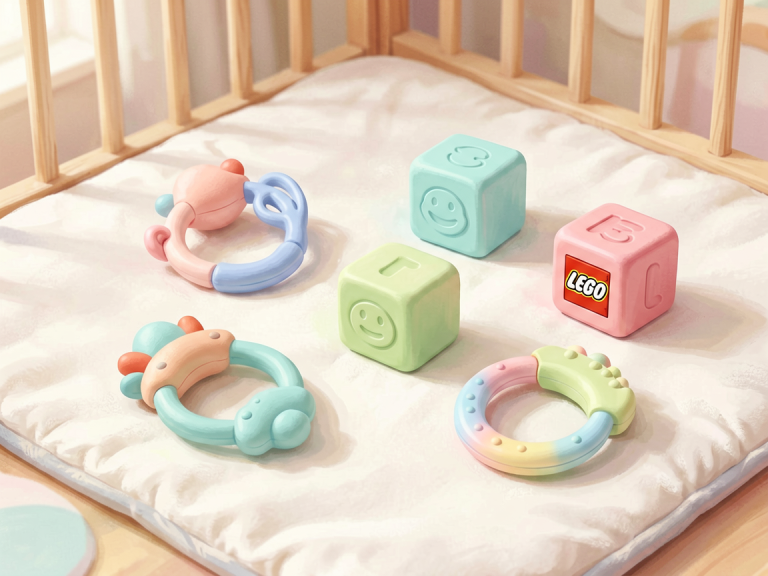
For infants, the mouth is their primary learning tool. Anything they can grasp will likely end up in their mouth—and that’s developmentally normal. Focus on safe, oral-friendly items. Offer teething rings of different textures (smooth, bumpy, ridged). Fill a fabric bag with dried beans or rice and sew it shut to create a “sensory bean bag” for them to pat and mouth. Let them feel a piece of silk, a velvet ribbon, or a soft feather while you describe the sensation.
Tummy time can be enriched with sensory elements. Place a crinkly paper or a mirror in front of your baby. Hang contrasting black-and-white cards at their eye level. As they grow, introduce containers they can shake, like a sealed plastic bottle with a few dry pasta pieces inside. Water play is also wonderful: during bath time, let them splash and pat the water surface. Always keep one hand on the baby and never leave them unattended near water.
12–24 Months: The Age of Exploration and Pouring
Toddlers are driven by cause and effect. They want to dump, pour, and scoop. This is the perfect stage for sensory bins. Fill a shallow tub with dry rice, uncooked oatmeal, or sand. Add measuring cups, small spoons, and a few plastic animals. Show your toddler how to scoop and pour. They will likely spill—that’s part of the learning. Accept the mess as a sign of engagement.
Playdough is another winner. You can make it at home with flour, salt, water, and cream of tartar. Add a drop of lavender essential oil for a calming scent. Let your toddler poke, roll, and flatten it. Hide small objects inside for them to discover. Finger painting is also great, but use edible paints made from yogurt and food coloring if you are worried about ingestion. For vestibular stimulation, try gentle swinging or rocking while singing a song. This supports the inner ear and balance system.
24–36 Months: Imaginative and Complex Sensory Play
By age two to three, children can handle more complex setups. Introduce themed sensory bins: a “moon sand” tray with scoops and cookie cutters, or a water table with boats and sponges. Add a few drops of blue food coloring to water and freeze it, then give your child a warm water spray bottle to melt the ice. This combines science and sensory exploration.
Scented play is also engaging at this age. Create small packets of dried lavender, cinnamon sticks, or orange peel and seal them in mesh bags. Let your child smell each one and describe the scent. You can also play “I Spy” with textures: “Find something rough. Find something smooth.” This sharpens their descriptive language. Movement-based sensory play like obstacle courses (crawling under a sheet, stepping on pillows) helps with body awareness and coordination.
3–5 Years: Fine-Tuning and Social Sensory Play
Preschoolers benefit from more intricate sensory challenges. Offer tweezers, tongs, and small beads to pick up from a tray of dry beans—this builds fine motor skills critical for writing. Introduce “sensory bottles” filled with glitter, oil, and water; let your child shake them and watch the glitter settle. This can be calming for emotional regulation.
Art projects like collaging with different fabric scraps, feathers, and buttons encourage tactile discrimination. Cooking together is an excellent sensory activity: let your child knead dough, tear lettuce, or pour measured ingredients. The smells and tastes are part of the experience. Socially, invite a friend over for a sensory playdate. Parallel play with sensory bins can be a gentle introduction to sharing and cooperation.
Adapting Sensory Play for Special Needs and Fussy Children
Every child is unique, and some may be hypersensitive (overresponsive) or hyposensitive (underresponsive) to sensory input. A child who covers their ears at a loud noise or refuses to touch messy textures may need a gentle, gradual approach. Start with dry, clean textures first, like dry rice or clean sand. Let the child use a tool (spoon, rake) before using their hands. Offer choices: “Do you want to touch the playdough with your finger or with this stick?” This gives them a sense of control.
For children who seek intense sensory input (crashing into things, spinning), provide heavy work activities like pushing a laundry basket, carrying books, or doing animal walks (bear crawl, frog jumps). These input-rich activities can help them feel calm and organized. Always consult with an occupational therapist if you have concerns about your child’s sensory processing. Sensory play is not therapy, but it can complement professional guidance.
Making Sensory Play Part of Your Daily Routine
You don’t need to schedule hour-long sensory sessions. Integrate small moments into everyday life. While cooking, let your child smell the vanilla extract or feel the cold butter. On a walk, stop to feel tree bark and listen to birds. Bath time is a natural sensory opportunity: add bath crayons, squirt toys, and different textured washcloths.
Keep a “sensory bin” ready in a sealed container. Rotate the contents every few weeks to maintain novelty. Store playdough in an airtight bag. Have a plastic tablecloth handy for quick setup. The goal is not perfection—some days your child will play for five minutes, other days for an hour. Follow their lead. If they lose interest, put the activity away. Sensory play is about the process, not the product.
Common Concerns: Mess, Safety, and Cleanup
The biggest hurdle for many parents is the mess. Accept that some mess is inevitable, but it can be mitigated. Use a large, shallow bin to contain materials. Place the bin on a waterproof mat. Dress your child in old clothes or a smock. For messy activities like slime or paint, do them right before bath time. Teach your child to help with cleanup: wiping up spills, putting lids back on. This becomes a valuable life skill.
Safety is paramount. Never use small objects that can be a choking hazard for children under three. Avoid raw flour or raw eggs in playdough mixtures as they can carry bacteria. If using essential oils, use only child-safe, diluted versions. Always wash hands after play. And if your child insists on tasting everything, use only edible ingredients like gelatin, cooked pasta, or colored yogurt.
Final Thoughts: The Joy of Shared Discovery
Sensory play is not just about child development—it’s about connection. When you sit on the floor with your child and watch them discover that sand runs through their fingers, that water makes a splash, that slime stretches and pulls, you are sharing in their wonder. You are saying, “The world is fascinating, and I am here with you.” That message is more powerful than any toy or lesson plan.
Start small. Pick one activity from this guide and try it today. Notice how your child reacts. Laugh at the mess. Take a picture. And remember: every squish, every splash, every giggle is a neuron firing, a connection growing. You are building your child’s brain and your bond, one sensory experience at a time.