The Imperative of Safe Educational Toys: Nurturing Young Minds with Confidence
—
Introduction
In an era where childhood development is increasingly intertwined with play, the market for educational toys has exploded with options promising cognitive, social, and motor skill benefits. Yet beneath the vibrant packaging and glowing testimonials lies a critical concern that often gets overshadowed: safety. For parents, educators, and caregivers, the pursuit of “educational” value must always go hand in hand with rigorous attention to safety standards. After all, a toy that teaches numbers but contains toxic paint or choking hazards is not just ineffective—it is dangerous. This article explores the multifaceted world of safe educational toys for kids, examining why safety matters, what to look for, how to match toys to developmental stages, and how to make informed choices that protect children while fostering their growth.
—
Why Safety Must Be Non‑Negotiable in Educational Toys
Children explore the world through their senses—touching, tasting, smelling, and sometimes even biting objects they encounter. Educational toys are designed to engage these very senses, making the safety of materials and construction absolutely paramount. According to the U.S. Consumer Product Safety Commission (CPSC), thousands of toy‑related injuries are treated in emergency rooms each year, with many involving choking, strangulation, or chemical exposure. While not all of these incidents involve educational toys, the line between “fun” and “harmful” can be razor‑thin when a toy is poorly designed or manufactured with substandard materials.
Furthermore, the “educational” label can sometimes lull parents into a false sense of security. A toy might boast that it teaches STEM skills, but if it contains phthalates, lead, or small detachable parts, its educational value is irrelevant. True educational value cannot exist in an unsafe context because a child who is at risk of injury is not in a position to learn effectively. Safety, therefore, is not an add‑on feature; it is the foundation upon which all developmental benefits are built.
—
Key Safety Standards and Certifications to Look For
Understanding safety standards is the first step toward making wise purchases. In the United States, toys must comply with ASTM F963, a comprehensive safety standard that addresses mechanical, physical, and chemical hazards. Similarly, the European Union enforces the EN 71 standard, and many other countries have their own rigorous regulations. When shopping, look for labels indicating that the toy has been tested and certified by an independent organization.
Common safety certifications include:
- CE Marking (European Conformity) – indicates compliance with EU health, safety, and environmental requirements.
- CPSC Certification – signals that the toy meets U.S. federal safety guidelines.
- ASTM International Seal – assures that the product has passed ASTM F963 testing.
- OEKO‑TEX Standard 100 – certifies that textiles are free from harmful substances.
- GREENGUARD Gold – verifies low chemical emissions, especially important for toys that may be used in enclosed spaces.
For parents, the absence of these marks—or vague claims like “non‑toxic” without backing—should raise red flags. Even better, many reputable manufacturers provide detailed safety data sheets or third‑party test results on their websites.
—
Material Matters: Choosing Non‑Toxic and Durable Components
The physical composition of a toy determines much of its safety profile. Educational toys are often made of plastic, wood, fabric, or metal, each with its own set of considerations.
Plastic Toys
Look for plastics that are BPA‑free, phthalate‑free, and lead‑free. Polypropylene (PP) and high‑density polyethylene (HDPE) are generally considered safer than PVC, which can contain softening chemicals linked to endocrine disruption. Avoid toys with a strong chemical odor, as this can indicate volatile organic compounds (VOCs).
Wooden Toys
Natural, untreated or food‑grade finished wood is excellent, but beware of varnishes and paints that may contain heavy metals. The best wooden educational toys use water‑based, non‑toxic paints and have smooth, splinter‑free surfaces. Also consider the wood source—sustainable forestry ensures not only environmental responsibility but also adherence to stricter manufacturing controls.
Fabric and Stuffed Toys
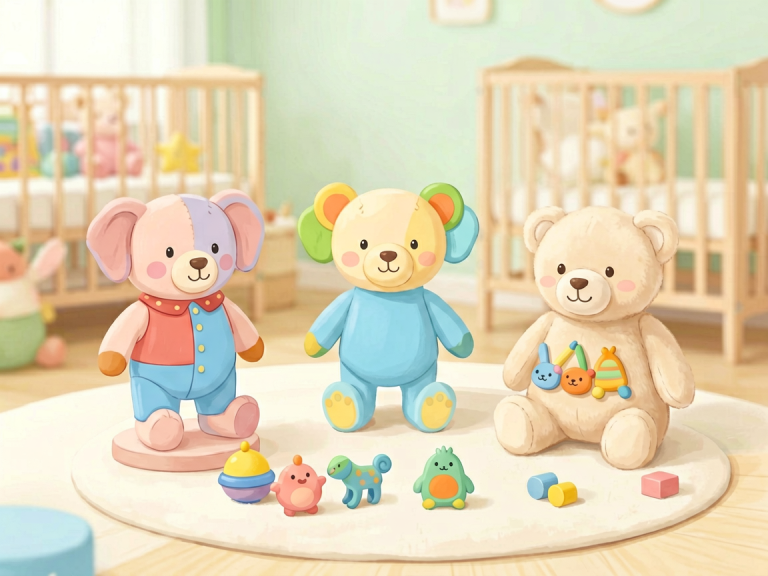
Educational plush toys, such as those that teach letters or emotions, should be machine‑washable and free from small buttons or plastic eyes that can detach. Look for OEKO‑TEX or similar certifications. Flame‑retardant chemicals, once common in stuffed toys, are now increasingly avoided in higher‑quality products.
Metal Components
Magnetic toys, gears, and construction sets often include metal parts. Ensure that magnets are securely encased (to prevent swallowing) and that edges are rounded. Avoid toys with exposed sharp edges or points.
—
Age‑Appropriate Design: Matching Toys to Developmental Stages
Safety is not just about materials; it is also about design that aligns with a child’s physical and cognitive maturity. A toy that is perfectly safe for a five‑year‑old can be deadly for a toddler. The age labeling on toy packaging is not a marketing suggestion—it is a safety guideline based on choking hazards, small parts, and complexity.
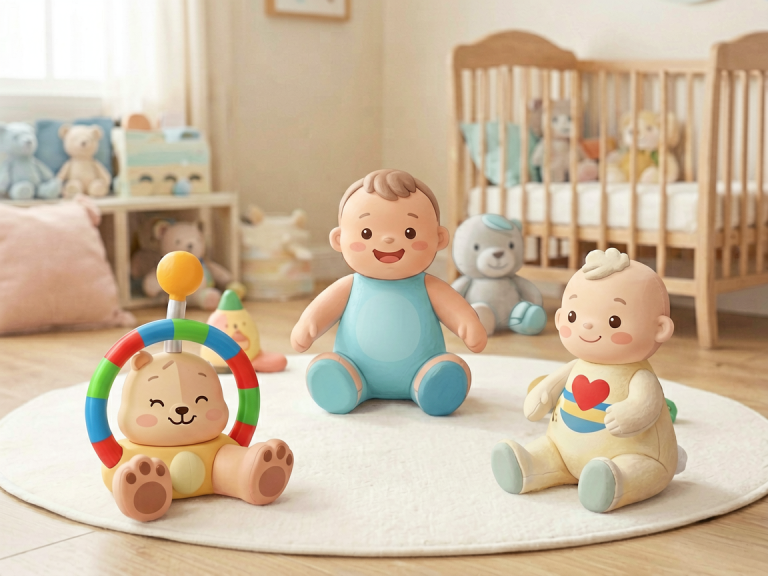
For infants (0–12 months): Toys should be large enough to prevent swallowing, with no detachable parts. Soft blocks, fabric balls, and rattles without small beads are ideal. Avoid toys with cords or strings longer than 12 inches to prevent strangulation.
For toddlers (1–3 years): This is the stage where mouthing objects remains common. All toys should be free from small parts that fit into a choke‑test cylinder (a device used by safety regulators). Educational toys at this age often focus on shape sorting, stacking, and cause‑and‑effect. Ensure that batteries (if any) are secured with screws and inaccessible to tiny fingers.
For preschoolers (3–5 years): Children begin to engage in more complex puzzles, art supplies, and simple construction kits. Crayons and markers should be labeled non‑toxic and washable. Science kits should use safe, everyday household substances rather than chemicals. Magnets and batteries remain a concern—look for “screw‑tight” compartments.
For school‑age children (5+ years): While choking hazards decrease, chemical safety and durability become more important. Electronic educational toys should have low voltage and comply with electrical safety standards. Kits that involve small parts, such as circuitry sets, should come with clear safety instructions and adult supervision recommendations.
—
Types of Safe Educational Toys: From STEM to Sensory Play
The educational toy market offers a vast array of categories, each with its own safety considerations.
STEM Toys (Science, Technology, Engineering, Math)
These include coding robots, magnet tiles, and chemistry sets. For younger children, opt for large, chunky pieces without tiny connectors. Coding robots should have rounded edges and enclosed batteries. Always check that magnets are strong but fully encapsulated to prevent ingestion.
Sensory and Motor Skills Toys
Playdough, kinetic sand, and water beads are popular for sensory exploration. Homemade playdough is often safer than store‑bought, as it avoids preservatives and artificial colors. Kinetic sand should be non‑toxic and wheat‑free if a child has allergies. Water beads—tiny absorbent polymers—pose a serious choking and intestinal blockage risk if swallowed; many pediatricians advise against them for children under 5.
Language and Literacy Toys
Alphabet puzzles, flashcards, and talking books are generally low‑risk, but ensure that electronic versions have volume control and no loose batteries. Flashcards should be made of thick, laminated cardboard with rounded corners.
Arts and Crafts Supplies
Non‑toxic glue, washable paints, and safety scissors (blunt tip) are essential. Look for the “AP” (Approved Product) seal from the Art & Creative Materials Institute, which certifies that the material is safe even if ingested in small amounts.
—
The Role of Supervision and Parental Guidance
No matter how safe a toy is designed to be, it cannot replace active adult supervision, especially for children under 3. Educational toys are meant to be interactive—the best learning happens when an adult engages with the child, explaining concepts, asking questions, and modeling safe behavior.
Parents should also conduct regular toy inspections: check for cracks, loose parts, peeling paint, or frayed cords. Dispose of any toy that shows signs of wear that could create hazards. Follow the manufacturer’s cleaning instructions; many toys harbor bacteria and mold if not sanitized properly.
In addition, stay informed about toy recalls. The CPSC website and similar agencies in other countries maintain up‑to‑date recall lists. Signing up for alerts ensures that you are notified quickly if a toy your child uses is found to be unsafe.
—
Conclusion
Safe educational toys are not a luxury—they are a necessity. They bridge the gap between playful curiosity and meaningful development while ensuring that a child’s health and well‑being are never compromised. By understanding safety standards, scrutinizing materials, respecting age guidance, and remaining actively involved in playtime, parents and educators can create an environment where children learn fearlessly and thrive.
The next time you pick up a brightly colored building block or a talking globe, remember that its true value lies not in the promises printed on the box, but in the silent guarantee that it will not harm the small hands that hold it. In the world of childhood, safety is the most important lesson of all.