Top Fine Motor Toys for Kids: Building Dexterity, Creativity, and Confidence Through Play
Introduction
Fine motor skills are the foundation of countless everyday tasks—from buttoning a shirt and tying shoelaces to holding a pencil and cutting with scissors. For children, developing these small muscle movements in the hands, fingers, and wrists is not only essential for independence but also closely linked to cognitive growth, hand-eye coordination, and even early literacy. The best fine motor toys for kids transform this developmental work into joyful, engaging play. Instead of drills or worksheets, children learn through manipulation, exploration, and repetition. This article dives deep into the top categories of fine motor toys, explaining why each type is beneficial, which age groups they suit best, and how to maximize their learning potential. Whether you are a parent, educator, or caregiver, this guide will help you choose toys that truly strengthen little hands while sparking imagination.
Why Fine Motor Skills Matter More Than You Think
Before exploring specific toys, it is worth understanding the developmental significance behind them. Fine motor skills involve the coordination of small muscles with the nervous system and brain. They are crucial for self-care (eating, dressing, grooming), academic tasks (writing, drawing, using a keyboard), and even social play (building, crafting, manipulating game pieces). Research consistently shows that children who engage in regular fine motor play demonstrate better handwriting readiness, improved attention spans, and stronger problem-solving abilities. Moreover, these toys often incorporate sensory feedback—texture, weight, resistance, sound—which helps wire neural pathways in the developing brain. Choosing the best fine motor toys means selecting items that offer just the right challenge: not so easy that they bore the child, but not so difficult that they frustrate. The following sections break down the most effective categories, each backed by occupational therapy insights and real-world play observations.
Top Fine Motor Toys for Toddlers (Ages 1–3)
Toddlers are at a prime stage for building foundational hand strength and coordination. Their toys should be safe, durable, and designed for grasping, stacking, and simple manipulation.
*Stacking and Nesting Blocks*
Classic wooden or silicone stacking cups and blocks remain unbeatable for this age group. When a toddler grasps a block, aligns it, and places it on top of another, they engage the palmar grasp (whole-hand) and later the pincer grasp (thumb and forefinger). The slight resistance of fitting blocks together or balancing them also develops proprioception—the sense of where one’s hand is in space. Brands like Grimms and Lovevery offer beautifully painted sets that encourage color recognition alongside motor work.
*Shape Sorters and Latch Boards*
Shape sorters require a child to rotate a triangular block to fit into a triangular hole, demanding both visual-spatial awareness and finger dexterity. More advanced versions, such as latch boards with locks, doors, and knobs, challenge the child to turn handles, slide bolts, and push latches. These actions strengthen the intrinsic hand muscles needed later for cutting and writing. Melissa & Doug produce excellent latch boards that keep toddlers engaged for extended periods.
*Large Beads and Lacing Strings*
Beads with chunky openings and thick, blunt-tipped laces are perfect for developing the pincer grasp. Stringing beads requires alternating hand use—one hand holds the string steady, the other manipulates the bead. This bilateral coordination is vital for tasks like tying shoes and using both hands together. For toddlers, start with 1–2 inch wooden beads and gradually reduce size as skill improves.
Best Fine Motor Toys for Preschoolers (Ages 3–5)
Preschoolers are ready for more complex manipulations that integrate imagination. This stage is when fine motor skills explode, and toys should encourage precision, sequencing, and creative construction.
*Play Dough and Modeling Clay*
Squeezing, rolling, pinching, and shaping dough is arguably one of the most comprehensive fine motor workouts. Using a plastic knife to cut, a rolling pin to flatten, or a stamp to press all engage different hand muscles. Adding small tools like scissors, extruders, and textured wheels boosts the challenge. Play dough also provides calming proprioceptive input, making it excellent for children who need sensory regulation. Homemade dough with scents (e.g., lavender or cinnamon) can further engage the olfactory senses. Look for non-toxic, soft varieties like Crayola Model Magic or homemade dough recipes.
*Child-Safe Scissors and Cutting Activities*
Scissor use is a major milestone for preschoolers. The best fine motor toys for this skill include safety scissors with a spring-loaded mechanism that opens automatically, reducing frustration. Children begin by snipping play dough snakes or fringing strips of paper, then progress to cutting along straight and curved lines. Brands like Fiskars offer ergonomic scissors designed for small hands. Pair scissors with sequencing activities: cut out shapes to create a collage, or snip magazine pages to build a story. This not only strengthens hand muscles but also teaches the open-close rhythm critical for handwriting.
*Construction Kits with Interlocking Pieces*
LEGO Duplo, Mega Bloks, and magnetic tile sets (e.g., Magna-Tiles) encourage building three-dimensional structures. Pushing blocks together requires controlled force and finger strength; pulling them apart demands grip endurance. The magnetic tiles, in particular, offer a unique satisfying snap that reinforces alignment. Children also practice visual-spatial planning as they decide where each piece goes. For added fine motor challenge, introduce tweezers or tongs to pick up small tiles—a twist that turns constructive play into a gripping exercise.
*Puzzles with Pegs and Knobs*
Wooden puzzles featuring farm animals, vehicles, or letters with knobs are perfect for refining the pincer grasp. Lifting the knob piece and rotating it to fit into its slot requires precise finger movements and hand-eye coordination. As children progress, they can move to jigsaw puzzles with 12–24 pieces, learning to push and pull pieces into place. This activity also enhances visual discrimination and patience.
Advanced Fine Motor Toys for School-Age Kids (Ages 5+)
Older children need toys that build endurance, speed, and complexity. These toys often bridge the gap between play and real-world tasks like writing and tool use.
*Lacing, Sewing, and Weaving Kits*
Finger knitting, small embroidery hoops, or lacing cards with increasingly small holes challenge bilateral coordination and fine motor control. Sewing through a pre-punched cardboard animal or weaving a potholder on a loop loom (like the classic Potholder Pro) demands repetitive precision. These activities also foster focus and following multi-step instructions. For children who enjoy hands-on creativity, a small sewing kit with plastic needles and felt shapes can lead to hours of productive, quiet play.
*Fine Motor Board Games*
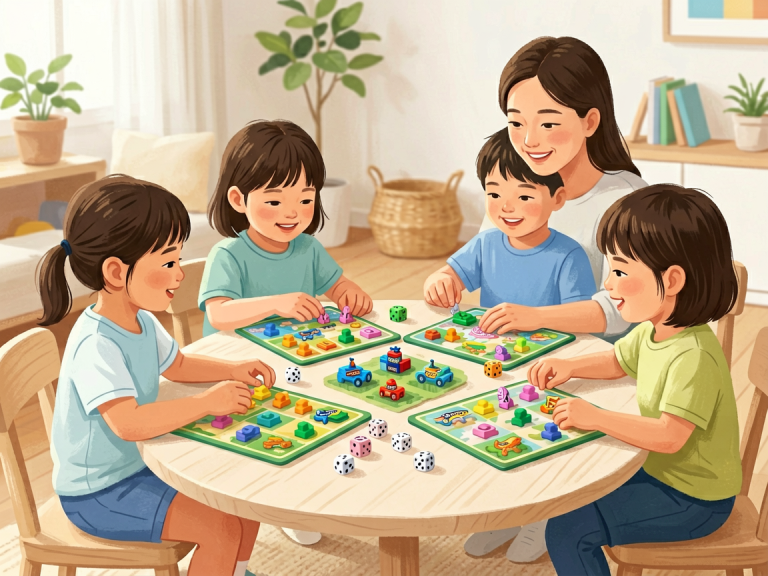
Games that incorporate tweezers, chopsticks, or small pieces are excellent for older kids. For example, “Operation” uses tweezers to remove tiny body parts from cavities, requiring steady hands. “The Sneaky, Snacky Squirrel Game” involves using a squirrel-shaped tweezer to pick up acorns. “Ants in the Pantry” or “Chopstick Challenge” games demand pincer-grasp control and turn-taking. These games disguise skill-building as competition, making them ideal for family game nights.
*Building Sets with Small Components*
Advanced construction toys such as classic LEGO bricks, K’NEX, or Plus-Plus blocks require careful assembly of tiny parts. Manipulating those 1×1 studs and connecting rods strengthens finger muscles and improves dexterity at a level comparable to using a pencil. The added cognitive load of following instructions or designing original models enhances problem-solving. For an extra fine motor challenge, have children build items without using their nondominant hand, or time themselves assembling a small model.
*Manipulatives for Writing Readiness*
The final step before handwriting is often using resistive materials. Therapists recommend TheraPutty (silly putty with varying resistance) for finger strengthening exercises: hide small beads or coins inside and have children find them using only their fingertips. Another option is a “hand gym” set that includes rubber bands for finger extension, small spring-loaded clothespins, and stress balls. These tools are particularly helpful for children who struggle with pencil grip or tire easily during writing tasks.
How to Choose and Use the Best Fine Motor Toys
Selecting a toy is only half the journey; how you present it matters just as much. Here are evidence-based tips for maximizing fine motor development:
- Follow the child’s interests: A child who loves dinosaurs will engage longer with a dinosaur-themed lacing card than with a generic one. Connect fine motor play to their passions.
- Vary the resistance and texture: Offer a mix of stiff materials (clay, resistance putty) and fluid ones (sand, water beads) to build a full range of hand strength.
- Progress from large to small: Start with larger objects (chunky puzzle knobs, big beads) and gradually introduce smaller pieces as skills improve.
- Model and scaffold: Demonstrate how to use the toy, then allow the child to imitate. Offer verbal cues like “pinch and twist” or “push gently.” Avoid doing it for them.
- Remember the non-dominant hand: Many toys naturally favor the dominant hand. Encourage activities that require both hands, such as holding a paper while cutting or stabilizing a block while stacking.
- Keep sessions short but frequent: Fine motor work is tiring. Ten to fifteen minutes of focused play is often more effective than long, frustrating sessions.
Conclusion
The best fine motor toys for kids are those that blend skill development with genuine enjoyment. From stacking cups and shape sorters for toddlers to sewing kits and construction sets for older children, each toy offers a unique pathway to stronger hands, sharper focus, and greater independence. As you build your toy collection, remember that variety is key—just as a balanced diet nourishes the body, a range of fine motor experiences nourishes the developing brain. Watch your child’s fingers dance, their confidence grow, and their pride in “doing it myself” flourish. After all, every laced bead, every puzzle piece fitted, and every clay snake rolled is a small victory on the road to lifelong dexterity. Choose wisely, play often, and celebrate the journey of tiny hands mastering big skills.