Toy Clutter Mistakes to Avoid: A Practical Guide to Reclaiming Your Home and Sanity
Introduction
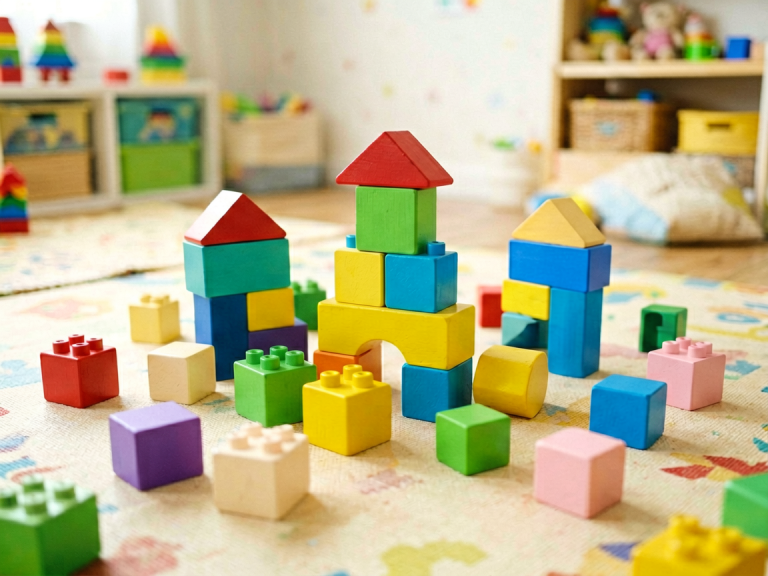
Every parent knows the scene: you step into the living room and a multicolored sea of plastic, plush, and puzzle pieces stretches across the carpet. You can’t see the floor. You can’t find the remote. You can’t even take a full step without hearing the crunch of a stray LEGO brick underfoot. Toy clutter is not just an aesthetic nuisance—it’s a source of daily stress for families, a safety hazard for toddlers, and a financial drain when beloved items get lost or broken in the chaos.
The problem isn’t that children have too many toys. The problem is that most of us, well-intentioned parents and caregivers, unknowingly repeat the same toy clutter mistakes again and again. We buy impulsively, store haphazardly, and fail to teach our children the life skills of organization and appreciation. The good news is that these mistakes are completely avoidable. By recognizing the most common pitfalls and implementing simple, sustainable strategies, you can transform your home from a toy cyclone into a calm, functional space where play actually happens—and clean-up doesn’t feel like a battlefield.
In this article, we’ll walk through the top toy clutter mistakes to avoid, with actionable advice for each one. Whether you have a single infant or a household of school-age kids, these lessons will help you stop the cycle of clutter for good.
—
Mistake #1: Buying Without a System – The “Impulse Purchase” Trap
One of the most pervasive toy clutter mistakes is buying toys without any underlying system or purpose. Grandparents show up with a cheerful bag of noisy plastic gadgets. You grab a discounted action figure at the checkout line. The child begs for yet another stuffed animal at the souvenir shop. Before you know it, your home is a warehouse of random items that nobody really plays with.
The problem here is twofold. First, impulse buys rarely align with a child’s genuine developmental needs or long-term interests. Second, the sheer volume overwhelms both the child and the caregiver. A child surrounded by dozens of options often becomes paralyzed—unable to choose, unable to focus, and unable to engage deeply with any single toy.
How to avoid this mistake: Adopt a “one in, one out” mentality before every purchase. Ask yourself: *Does this toy serve a specific purpose? Will it be used for more than a week? Does it replace something we already have?* Create a simple wish list with your child, and stick to it. For gifts from others, politely suggest contributions to a college fund or experiences (like museum passes) instead of physical items. If you do receive an unwanted toy, donate it immediately without guilt.
—
Mistake #2: Failing to Rotate Toys – The “Everything at Once” Fallacy
Another classic toy clutter mistake is having every single toy accessible at all times. Many parents believe that children need full access to their entire collection to feel happy and stimulated. The reality is the opposite: when a child is bombarded with too many choices, they often flit from one toy to the next, never settling into sustained, meaningful play. Moreover, the sheer volume of visible toys creates a visual chaos that stresses the entire family.
How to avoid this mistake: Implement a toy rotation system. Divide all toys into three or four groups, store most of them out of sight (in bins, closets, or under the bed), and leave only one group available at a time. Every two to four weeks, swap the current group with a fresh one. This approach has multiple benefits: toys feel new again, children appreciate them more, clean-up is quicker, and your living spaces stay orderly. For very young children, keep rotations shorter—sometimes weekly. For older kids, you can involve them in choosing which “toy set” they want out each week.
—
Mistake #3: Not Involving Children in Clean-Up – The “Do-It-Yourself” Habit
It’s tempting to tidy up toys yourself—it’s faster, neater, and you can do it while the child is asleep. But this seemingly innocent habit is one of the most damaging toy clutter mistakes you can make. When children are not involved in the process of putting away their belongings, they never learn the routine. They become passive observers of their own chaos, and the mess becomes “mom’s problem” or “dad’s problem.”
Moreover, if you always clean up for them, children miss out on developing executive function skills: planning, categorizing, and taking responsibility. The result? As they grow older, they may struggle to organize their school supplies, their room, or later their work desk.
How to avoid this mistake: Make clean-up a non-negotiable part of playtime. Start as early as age one with simple tasks like dumping blocks into a bucket. Use songs, timers, or playful challenges (“Let’s see who can put away ten toy cars before this song ends!”). Create a designated “home” for every toy with clear labels or pictures. Most importantly, be consistent. Don’t rescue your child by doing their work; instead, guide them through the steps. Over time, clean-up becomes a natural habit rather than a power struggle.
—
Mistake #4: Inadequate Storage Solutions – The “Dump Everything in a Bin” Approach
Walk into many playrooms and you’ll see large, deep bins overflowing with a jumbled mix of dolls, cars, art supplies, puzzles, and action figures. This may look tidy from a distance, but it’s a recipe for disaster. When toys are stuffed indiscriminately into a single container, children cannot find what they want, pieces get lost, and frustration mounts. The bin becomes a “black hole” where toys go to be forgotten.
How to avoid this mistake: Invest in purpose-specific storage. Use open baskets for large items like stuffed animals. Use shallow trays or compartmentalized boxes for small parts like LEGO bricks, figurines, or board game pieces. Transparent containers are ideal because children can see what’s inside. For puzzles, store each puzzle in its own bag or flat box so pieces don’t scatter. Label shelves and bins with words or pictures so even pre-readers can help return toys to their correct homes. The goal is that every single item has a designated spot that is easy to access and easy to return.
—
Mistake #5: Holding onto Broken, Incomplete, or Outgrown Toys – The Sentimental Hoarding
This is one of the most emotionally charged toy clutter mistakes. We hold onto a stuffed bear with a missing eye because it was a gift from Grandma. We keep a puzzle with three lost pieces because “maybe we’ll find them.” We stash baby toys in the attic because we’re planning another child someday—or because we can’t bear to let go of the memories. The problem is that emotions aside, broken and incomplete toys serve no purpose. They take up valuable space, frustrate children who try to use them, and add to the visual noise of clutter.
How to avoid this mistake: Schedule a regular toy audit—every three to six months. Sit down with your child (if they are old enough) and go through each toy. Sort into three piles: Keep, Donate/Sell, and Trash. Be ruthless about broken items: if it can’t be repaired within a week, it goes. For outgrown toys, let them go with gratitude for the joy they brought. If you plan to have more children, limit storage to one or two containers of timeless favorites (like classic wooden blocks or simple dolls) and donate the rest. Remember, you are not discarding memories; you are making space for new experiences.
—
Mistake #6: Ignoring the “One In, One Out” Rule – The Cumulative Effect
Even if you avoid impulse purchases, implement rotations, and involve your kids in clean-up, you can still fall into the trap of slow accumulation. Every birthday, holiday, and family visit adds a few new toys. Over months and years, the collection quietly grows beyond your storage capacity. The “one in, one out” rule is the simplest and most effective way to keep toy clutter in check, yet it is often ignored because it feels harsh or restrictive.
How to avoid this mistake: Make “one in, one out” a family ritual. When a new toy arrives, ask your child to choose one existing toy to donate or give away. Frame it positively: “We’re making room for something new by passing along a toy that another child will love.” For younger children, you can do the selection for them. For older kids, involve them in the decision-making process—this builds empathy and prioritizing skills. If you struggle with emotional attachment yourself, remember that holding onto everything means nothing is special. Curation, not hoarding, creates a meaningful toy collection.
—
Conclusion: From Chaos to Calm
Toy clutter doesn’t have to be your family’s daily reality. By recognizing and correcting these six common toy clutter mistakes, you can transform your home into a place where play is joyful, clean-up is manageable, and every toy has a purpose. Start small: pick one mistake to address this week. Maybe you’ll donate the broken toys hiding in the closet. Maybe you’ll create a toy rotation for the first time. Maybe you’ll teach your toddler to put blocks in a bin before bedtime.
Each small change builds momentum. Over time, you’ll not only reduce physical clutter but also foster a calmer, more organized environment that supports your child’s creativity and independence. Remember, the goal is not a perfectly pristine, toy-free house. The goal is a livable space where your family can relax, connect, and—yes—play without drowning in stuff. So take a breath, pick a starting point, and begin. Your floors (and your sanity) will thank you.