Unlocking Creativity: How to Use Toys for Independent Play
Introduction
Independent play is a cornerstone of childhood development, offering children the space to explore, imagine, and problem-solve on their own terms. When children engage in solo play, they learn to entertain themselves, build concentration, and develop a sense of agency. However, in today’s world of constant digital stimulation and structured activities, many parents find it challenging to encourage their children to play alone. The key lies in strategically using toys as tools for independent play. This article provides a practical, step-by-step guide on how to select toys, set up the environment, and foster habits that allow children to thrive in their own imaginative worlds. By the end, you will have a clear roadmap to transform toy time into a powerful engine for self-reliance and joy.
The Importance of Independent Play
Before diving into the “how,” it is essential to understand the “why.” Independent play is not merely a way for parents to get a break; it is a critical developmental activity. When a child plays alone with a toy, they practice decision-making, learn to regulate their emotions, and develop persistence. For instance, a toddler stacking blocks independently must decide where to place each block, deal with frustration when the tower falls, and try again. This process builds executive function skills that are foundational for academic success and social emotional health. Moreover, independent play fuels creativity because there is no adult directing the narrative—children invent their own stories, rules, and challenges. Research shows that children who frequently engage in solitary play tend to have higher levels of creativity and better attention spans. Therefore, using toys intentionally to support this type of play is one of the most valuable investments a parent can make.
Choosing the Right Toys for Independent Play
Not all toys are created equal when it comes to fostering independent play. The best toys are those that are “open-ended”—meaning they can be used in multiple ways without a predetermined outcome. These toys invite exploration and allow the child to take the lead.
*Open-Ended Building Sets*
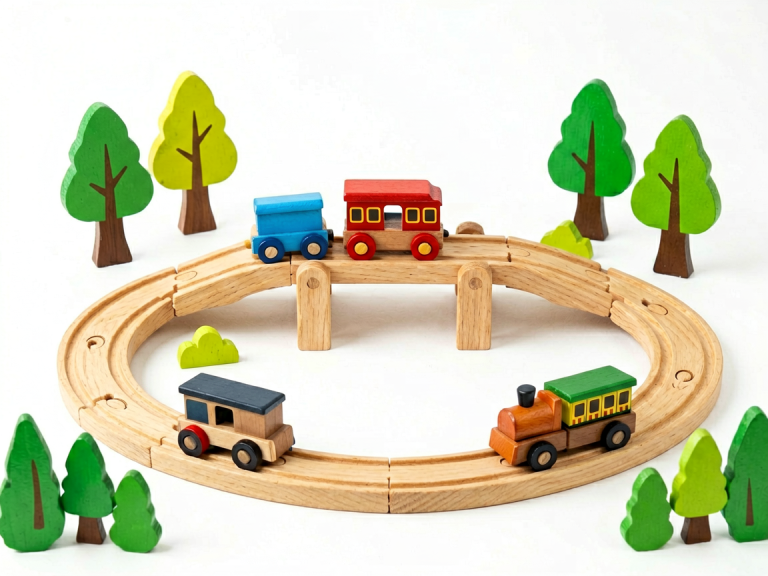
Building blocks, magnetic tiles, LEGO Duplo, and wooden planks are classic examples. A set of simple wooden blocks can become a castle, a bridge, a rocket ship, or a zoo enclosure. The child decides the purpose, which encourages imaginative thinking and problem-solving. Avoid sets that come with instruction manuals for a single model; instead, choose ones that encourage free construction.
*Imaginative Play Props*
Dolls, action figures, animal figurines, play food, and miniature vehicles are excellent for narrative-driven play. A child can create a whole world with a few figures and a cardboard box. Props that represent real-life objects (e.g., a toy phone, a doctor’s kit, a shopping basket) allow children to mimic adult activities, which is both comforting and empowering. The key is to avoid overly detailed, licensed characters that dictate a specific story (e.g., a talking superhero that only does one thing). Generic figures offer more flexibility.
*Sensory and Art Materials*
Play dough, clay, kinetic sand, water beads, crayons, and paint are wonderful for solo sensory exploration. These materials have no right or wrong way to be used. A child can roll, squish, cut, and shape them at their own pace. For art, provide blank paper and a variety of tools rather than coloring books with predefined lines. This encourages original expression.
*Puzzles and Simple Games*
Age-appropriate puzzles, matching games, and memory cards can also be used independently once the child understands the rules. These toys teach patience and logical thinking. However, ensure that the difficulty level is just right—too easy leads to boredom, too hard leads to frustration and reliance on an adult.
Setting Up an Inviting Play Environment
The physical environment plays a huge role in whether a child chooses independent play. A chaotic, cluttered space can overwhelm a child, while an overly organized space may feel uninspiring. The goal is to create a “yes” space—a designated area where the child can play freely without constant reminders to be careful.
*Create a Low-Shelf Toy Display*
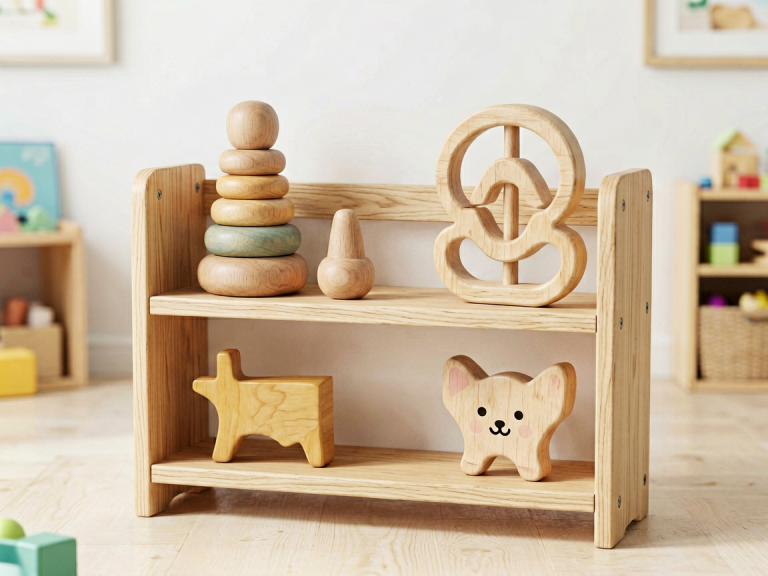
Place toys on low, open shelves so the child can see and reach everything independently. Rotate toys every week or two to keep the selection fresh without overwhelming. For example, put out only a few blocks, a set of figurines, and a sensory bin at a time. When the child sees a limited but curated choice, they are more likely to dive deep into play rather than flit from toy to toy.
*Define Zones*
If space allows, create distinct zones: a building zone (with blocks), a pretend-play zone (with a small table or play mat), and a quiet reading or puzzle zone. This helps the child mentally transition into different types of play. Use rugs or floor cushions to define boundaries.
*Minimize Distractions*
Turn off the television and put away tablets during independent play time. Background noise can fragment attention. On the other hand, playing soft, ambient music or nature sounds can help some children focus. Observe your child’s preferences.
*Safety and Autonomy*
Ensure the environment is safe: furniture is stable, small parts are out of reach for younger children, and electrical outlets are covered. When the child feels safe, they are more willing to explore. Also, place a small basket for “finished” toys so the child can learn to independently clean up—a skill that supports the overall play cycle.
Strategies to Encourage Independent Play
Even with the right toys and environment, some children initially resist playing alone. This is normal. The following strategies help build the habit gradually.
*Start with Parallel Play*
For very young children or those who are clingy, sit nearby and engage in your own quiet activity (reading, knitting, writing) while the child plays. Your presence provides security without interference. Over several sessions, slowly increase the distance between you. Eventually, you can step out of the room for a few minutes, then return.
*Use a Timer Method*
Introduce the concept of “alone time” with a visual timer. Begin with a short duration—say, five minutes—and explain, “You are going to play with your cars by yourself until the timer rings. I will be in the kitchen, and I will come back when it beeps.” Gradually extend the time as the child becomes comfortable. The timer gives the child a clear boundary and reduces anxiety.
*Model Independent Play*
Sometimes children need to see that adults also enjoy being alone with an activity. Build a puzzle or draw a picture yourself. Say aloud, “I love doing this puzzle by myself. It’s relaxing.” This normalizes solitary engagement.
*Praise the Process, Not the Product*
When you observe your child playing independently, resist interrupting with questions like “What are you building?” Instead, offer a brief, warm acknowledgment after the fact: “I noticed you were playing with your dinosaurs for a long time. You were so focused! That’s wonderful.” This reinforces the behavior without pulling the child out of their immersion.
*Allow Boredom*
Ironically, a key to independent play is allowing the child to experience boredom. When a child says, “I’m bored,” resist the urge to immediately provide an activity. Instead, reply, “That’s okay. Sometimes being bored is the first step to having a great idea. I’ll be right here if you need me.” Often, after a few minutes of stillness, the child will gravitate toward a toy and invent something new.
Gradual Fading of Adult Involvement
Independent play does not mean the child is never interrupted; rather, it means the child can sustain play without adult direction. Initially, you may need to spark the play by showing the child a new way to use a toy. For example, you might say, “I wonder if these wooden blocks could become a spaceship,” and then leave the child to continue. Over time, reduce these prompts. Eventually, the child will initiate their own scenarios.
*Child-Led Learning*
Encourage the child to choose the toy and the activity themselves. If they want to line up all the cars instead of building with blocks, that’s fine. The goal is autonomy. Avoid correcting them if they use a toy in an “incorrect” way. A child using a play frying pan as a hat is using creativity—celebrate that.
*Handling Interruptions*
If a child comes to you asking for help, first ask, “What have you tried so far?” Often, the simple act of reflecting their question back helps them solve the problem themselves. If they are stuck, provide minimal guidance—for instance, “Maybe try turning that piece sideways”—and then step back.
Troubleshooting Common Challenges
Even with the best setup, you may encounter hurdles. Here are solutions to frequent issues.
*“My child only wants to play with me.”*
This is common around ages 1 to 3. Try the “parallel play” approach described earlier. Also, invite a friend over for a playdate—when another child is present, your child may become more engaged with the toys, and you can step back. Over time, the habit of playing with others can generalize to playing alone.
*“My child destroys everything or gets aggressive with toys.”*
Sometimes destructive behavior signals that the toy is too challenging or the child is seeking sensory input. Offer a more robust sensory outlet, like play dough or a pounding bench. Set gentle limits: “We do not throw blocks because they can hurt. You may push them off the table into a box.”
*“My child gets bored too quickly.”*
Revisit your toy rotation. If the same toys are out for weeks, children lose interest. Also, check the difficulty level. A child who has mastered a puzzle may need a new one. Finally, consider whether the child is overtired or hungry—independent play requires energy and focus.
Conclusion
Using toys for independent play is both an art and a science. It requires thoughtful selection of open-ended materials, a carefully prepared environment, and gentle, consistent strategies that respect the child’s developmental stage. The rewards, however, are immense: a child who can confidently immerse themselves in their own world of imagination, who learns to solve problems without constant adult input, and who develops a lifelong love of self-directed exploration. Remember that every child is different—some take to solo play naturally, while others need more scaffolding. Be patient, stay observant, and trust the process. As you implement the ideas in this guide, you will not only help your child grow but also rediscover the quiet magic of a child lost in play.