Unplugging the Screen: Nurturing Creative, Screen-Free Play for Toddler Girls
—
Introduction
In an era where digital devices are woven into the fabric of daily life, the temptation to hand a toddler a tablet or switch on the television for a few moments of quiet is nearly irresistible. For many parents, TV time becomes a default tool for soothing, entertaining, or simply buying a few minutes to finish a chore. Yet a growing body of research in early childhood development emphasizes that the first three years of life are a critical window for brain growth, language acquisition, and social-emotional learning—windows that are best opened not through glowing screens but through hands-on, imaginative, and sensory-rich play. For toddler girls especially, screen-free play offers a unique opportunity to develop fine motor skills, narrative thinking, and a sense of agency. This article explores why replacing TV time with intentional, unplugged play matters, and provides a practical toolkit of ideas that parents can weave into their daily routines.
—
Why Screen-Free Play Matters for Toddler Girls
The Developing Brain and the Passive Screen Trap
Toddlers’ brains are wired to learn through active, multisensory engagement. When a child watches a fast-paced cartoon, her brain is largely a passive receiver: colors flash, sounds shift, and characters move, but she does not need to predict, problem-solve, or respond. Studies from the American Academy of Pediatrics suggest that excessive screen time before age two can be linked to delays in language development and reduced executive function. For toddler girls, who often show early interest in social interaction and pretend play, screens can replace the very experiences that build those skills—like taking turns, imitating adult behaviors, or narrating a story.
Empowerment Through Active Choice
Screen-free play, by contrast, is inherently active. A toddler girl who chooses to build a Duplo tower or dress a doll is making decisions: which block goes on top? Which color skirt? Those small decisions build confidence and a sense of control over her environment. Unlike the fixed narrative of a TV show, open-ended play allows her to create her own story—a princess, a doctor, a mother bird feeding her chicks. This imaginative freedom is particularly valuable for girls, who are often subtly steered toward passive, appearance-focused roles in media. Screen-free play lets them be the author of their own world.
Physical and Sensory Development
Sitting in front of a screen restricts movement. Toddler girls, like all toddlers, need to climb, jump, squeeze, pour, and balance to develop their gross and fine motor skills. A two-year-old who spends thirty minutes stacking blocks or scooping sand strengthens the small muscles in her hands that will later help her hold a pencil. She also practices spatial awareness and cause-and-effect: “If I push this tower, it falls.” These are lessons no TV show can teach.
—
Creative, Screen-Free Play Ideas to Replace TV Time
Replacing TV time does not mean filling every moment with structured activities. The goal is to create an environment where self-directed play naturally thrives. Below are several categories of play that are especially appealing to toddler girls, each designed to spark imagination and reduce the urge to turn on the screen.
1. Pretend Play and Dramatic Scenarios
Pretend play is the crown jewel of toddler development. At around 18 to 24 months, children begin symbolic thinking—using one object to represent another. For a toddler girl, a cardboard box becomes a castle, a blanket becomes a cape, and a wooden spoon becomes a magic wand.
- *Set up a “mini kitchen”*: Use real, unbreakable utensils, empty food boxes, and a small table. Let her “cook” a soup of leaves and pebbles from the backyard. This not only mimics adult behavior (which toddlers love) but also builds vocabulary as she names ingredients.
- *Dress-up corner*: A basket with old scarves, hats, purses, and costume jewelry (no small parts that could be swallowed) invites her to become a doctor, a firefighter, or a queen. Narrate with her: “Oh, you’re a doctor? Can you check my doll’s temperature?” This back-and-forth dialogue strengthens language and empathy.
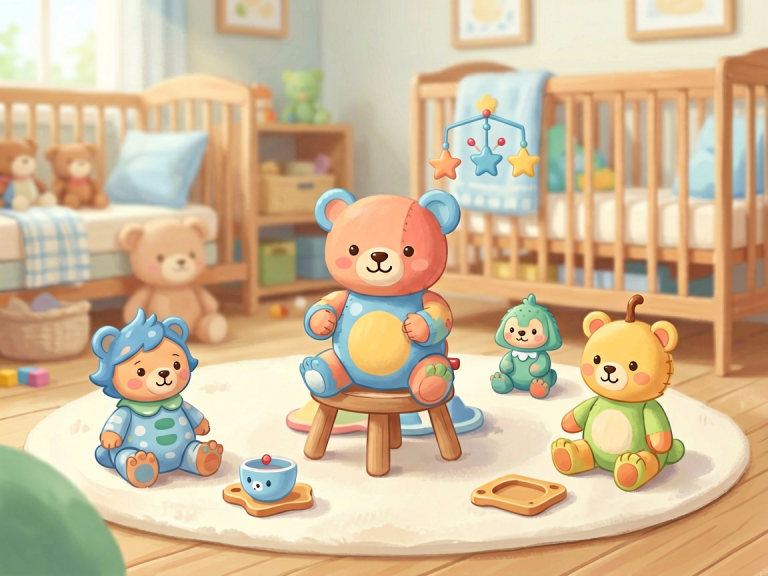
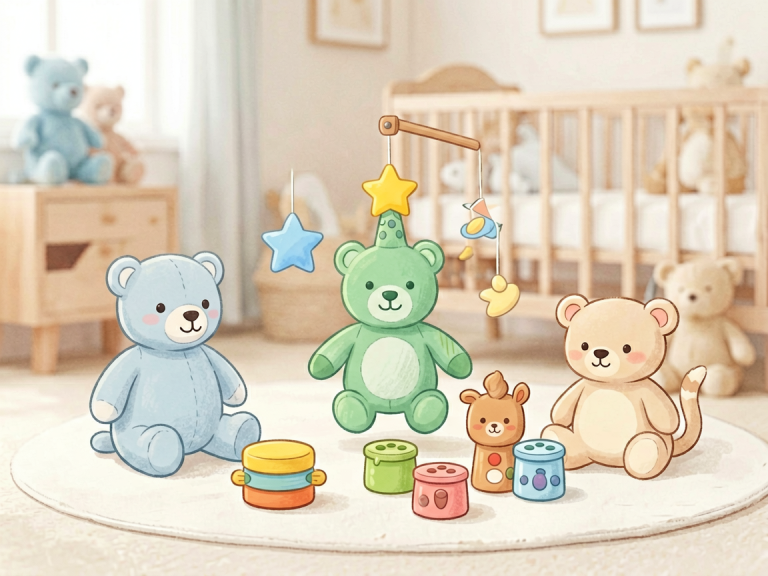
- *Animal rescue*: Use stuffed animals and a simple cardboard “clinic.” She can bandage a teddy bear’s paw or feed a bunny. This type of nurturing play is especially powerful for girls, as it allows them to practice caregiving in a safe, self-directed way.
2. Sensory Bins and Messy Play
Toddlers learn through their senses. A sensory bin can hold a toddler’s attention for twenty to thirty minutes—longer than many TV shows—while providing rich tactile input.
- *Rice or pasta bin*: Fill a shallow plastic bin with uncooked rice or large pasta shapes. Add small scoops, cups, and a few plastic animals. She will practice pouring, scooping, and sorting. (Supervision is essential to prevent choking.)
- *Water play*: On a warm day, place a shallow tub of water on the floor with plastic cups, a sponge, and a few floating toys. She can pour water from one cup to another, learning volume and gravity.
- *Playdough station*: Homemade or store-bought playdough offers endless possibilities. Provide plastic cookie cutters, a small rolling pin, and safe tools. She can make “cookies” for her dolls or roll snakes and balls. This strengthens hand muscles and encourages creativity.
3. Building and Construction Play
Blocks are often gendered toward boys, but toddler girls benefit equally from spatial reasoning and engineering concepts.
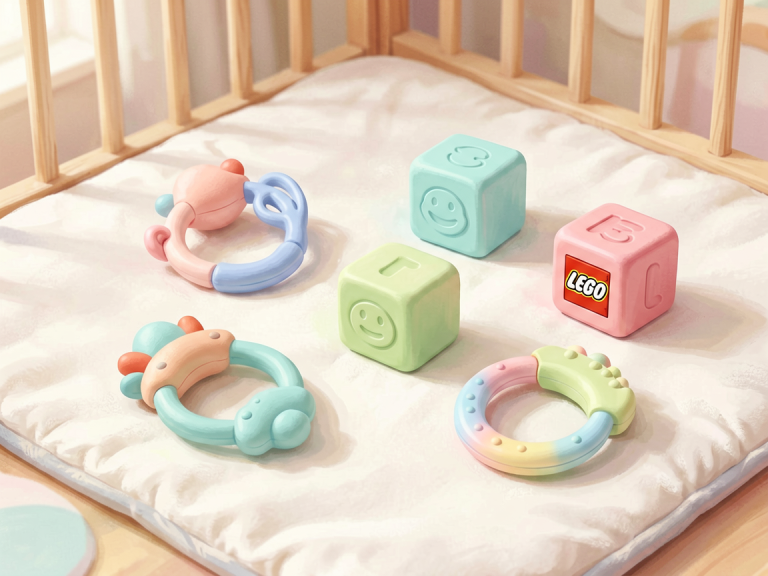
- *Large wooden blocks*: A set of simple wooden blocks (no letters or numbers needed) allows her to build towers, bridges, and enclosures for her animals. She learns balance and symmetry.
- *Magnetic tiles*: These colorful, translucent tiles stick together easily and can be used to build houses, castles, or even a “cage” for a dinosaur. The open-ended nature means she can build, knock down, and rebuild without frustration.
- *Nature constructions*: Take the blocks outside. Gather sticks, pinecones, and leaves, and let her build a “fairy house” at the base of a tree. This connects her to the natural world and encourages outdoor time.
4. Quiet, Independent Play Activities
Sometimes a toddler girl needs a calm, solo activity—not to watch a screen, but to focus on a quiet task.
- *Puzzles*: Simple wooden puzzles with large knobs (for very young toddlers) or chunky pieces for 2-year-olds help develop problem-solving and fine motor control. Choose puzzles with familiar objects: animals, fruits, or family scenes.
- *Lacing cards*: A set of sturdy cards with holes and a shoelace with a safe tip. Threading the lace through the holes requires concentration and bilateral coordination.
- *Sorting games*: Provide a muffin tin and a bowl of large buttons or colored pom-poms. She can sort them by color or size. This is a quiet, repetitive task that many toddlers find deeply satisfying.
—
How to Gradually Replace TV Time with Play
Replacing a habit like TV time requires patience, not a cold-turkey ban that can lead to tantrums. Here are practical strategies that respect both the toddler’s need for routine and the parent’s need for moments of peace.
Start Small: The 15-Minute Swap
Begin by turning off the TV for just fifteen minutes in the morning—the time when a toddler’s attention is often freshest. Set up a simple activity before you switch on the screen. For example, place her playdough on the table and sit with her for the first few minutes to model play. Gradually, she will learn to initiate play on her own.
Create a “Yes” Space
Toddlers often fight transitions when they feel restricted. Create a low shelf or basket in the living room that contains only three to four carefully chosen toys—for example, a set of blocks, a doll with a blanket, a puzzle, and a sensory bottle. Rotate the toys every week to maintain novelty. When the TV is off, she knows exactly where to go for play. This gives her autonomy and reduces the “I’m bored” whine that often leads parents to reach for the remote.
Use Audio as a Bridge
If your toddler craves the sound of a TV program, replace the visual stimulation with an audio story or a simple music playlist. Audiobooks for toddlers (such as *The Very Hungry Caterpillar* or folk tales with gentle narration) engage her imagination without the screen. She may lie on the floor with a stuffed animal and “watch” the story in her mind—a skill that strengthens listening comprehension.
Model Play Yourself
For toddler girls, parent involvement is a powerful motivator. You do not need to play for hours—five minutes of genuine, focused play (building a tower alongside her, pretending to drink her “tea”) is enough to kickstart her independent play. When she sees you enjoying the blocks, she internalizes that play is valuable.
Set Clear TV Time Boundaries
Instead of banning TV entirely (which can create power struggles), establish a simple, predictable schedule. For example: “We watch one short show after lunch, and then we turn it off.” The predictability helps her accept the limit. Use a visual timer so she can see when the show ends. Then immediately transition to an activity—like going outside or reading a book.
—
The Long-Term Benefits: Beyond the Toddler Years
Replacing TV time with screen-free play does more than fill the day; it builds a foundation for lifelong skills. A toddler girl who learns to entertain herself with blocks and dolls develops patience, creativity, and a sense of self-efficacy. She learns that boredom is not a problem to be solved by a screen, but an invitation to invention. As she grows, these habits translate into better focus in school, more resilient social relationships, and a healthier relationship with technology.
In a world that constantly pushes passive consumption, choosing screen-free play is an act of resistance—and of love. It says to a toddler girl: *Your hands, your mind, your imagination are enough. You do not need a screen to be entertained. You are the source of the story.* And that is a message far more valuable than any cartoon can teach.