The Independent Play Checklist: A Comprehensive Guide to Fostering Self-Directed Play in Children
—
Introduction
In the bustling world of modern parenting, the concept of independent play often feels like a mythical unicorn—something everyone talks about but few have truly mastered. Yet, independent play is not only achievable; it is a cornerstone of healthy child development. When children learn to entertain themselves without constant adult intervention, they build critical skills: creativity, problem-solving, emotional regulation, and self-confidence. However, transitioning from constant engagement to self-directed activity requires intentional planning. This is where the independent play checklist comes in. Think of it as a roadmap—a series of actionable steps that parents and caregivers can follow to create an environment where independent play flourishes. This article will unpack each component of that checklist, offering research-backed insights and practical tips. By the end, you will have a clear, structured guide to nurturing your child’s ability to play alone—and to enjoy it.
—
Setting the Stage: Creating an Inviting Play Environment
The foundation of independent play is the physical space. A cluttered, overwhelming environment can stifle a child’s imagination, while a carefully prepared one invites exploration. Here is what the checklist’s first section should cover.
1. Designate a Safe, Accessible Play Zone
Children need to know where they are allowed to play without supervision. This zone should be free of hazards—sharp edges, small choking hazards for toddlers, and breakable valuables. Use baby gates or room dividers if necessary. The key is to create a contained area where the child feels secure. For older children, a dedicated corner of the living room or their bedroom can serve the same purpose.
2. Curate Toys Strategically
A common mistake is to drown a child in options. Research shows that too many toys can overwhelm and reduce attention span. Follow the “less is more” principle. Rotate toys weekly: keep out only 8–10 items that align with the child’s current interests. For example, if your child loves building, have blocks, magnetic tiles, and a few small figurines. Store the rest in a closet and swap them every week to maintain novelty.
3. Create Visual and Auditory Boundaries
Use rugs, shelves, or furniture to define the play area. Soft lighting and calming background music (or silence, depending on the child) can signal that this is a place for focused activity. Also, keep screens out of the play zone. Independent play should be an unplugged, sensory-rich experience.
4. Include Open-Ended Materials
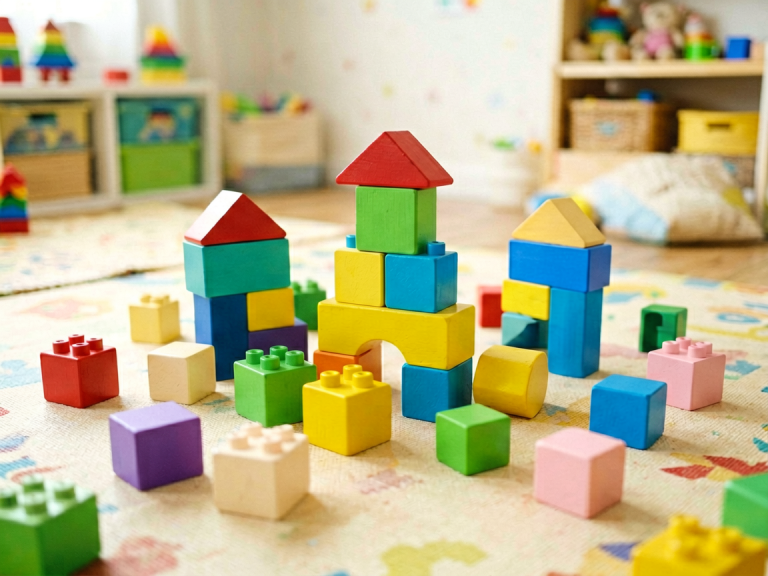
Open-ended toys—such as wooden blocks, play dough, dress-up clothes, and art supplies—encourage creativity because they have no fixed purpose. A cardboard box can become a spaceship, a castle, or a car. Stock your play area with at least 70% open-ended materials and 30% toys that have a single function (like puzzles or shape sorters). This balance allows for both structured and unstructured play.
—
Choosing the Right Toys and Materials for Independent Play
Not all toys are created equal when it comes to fostering independent play. The checklist must guide parents to select items that spark deep engagement rather than passive entertainment.
1. Prioritize Toys That Encourage Manipulation
Toys that require the child to actively do something—stack, build, sort, pour, or manipulate—are ideal. Think of activity sets: a water table with cups and funnels, a set of animal figurines, or a simple dollhouse. These toys invite narrative creation. Avoid battery-operated toys that dictate the play (e.g., toys that sing or talk on their own). They often lead to shorter play sessions because the child is a spectator, not a creator.
2. Introduce “Loose Parts”
Inspired by the Reggio Emilia approach, loose parts are everyday objects that can be moved, combined, and transformed. Examples include pinecones, fabric scraps, bottle caps, pebbles, and ribbons. These items have no prescribed use, so children must invent their own. A basket of loose parts can occupy a four-year-old for an hour as she builds a fairy house or a robot.
3. Match Toys to Developmental Stage
A checklist is useless if the toys are too easy or too hard. For infants (6–18 months): rattles, soft blocks, and stacking cups promote cause-and-effect learning. Toddlers (18–36 months): push-pull toys, simple puzzles, and crayons. Preschoolers (3–5 years): dress-up, pretend play sets, and construction toys. School-age children (5+): board games, science kits, and complex building sets like LEGO Technic. Update the toy rotation as the child grows.
4. Avoid Overcommercialized Fads
Character-branded toys (e.g., Paw Patrol figures, Peppa Pig dollhouses) often lead to rigid play scripts. Children may only reenact the TV episodes instead of inventing their own stories. While a few licensed toys are fine, prioritize generic or neutral options that allow for more creativity.
—
Establishing Routines and Expectations
Independent play does not happen by accident. Children need consistent cues and expectations to understand when and how to play alone. This section of the checklist addresses the behavioral framework.
1. Schedule Playtime as a Non-Negotiable
Just like meals and bedtime, independent play should be a daily routine. Start with short intervals: 5–10 minutes for a one-year-old, 15–20 minutes for a two-year-old, and up to 45 minutes for a five-year-old. Use a timer or a visual clock so the child knows when the session ends. Consistency builds security.
2. Use a “Play Date” Visual Schedule
For toddlers and preschoolers, create a simple picture chart that shows the sequence: “First independent play, then snack,” or “First play, then outside time.” This reduces resistance because the child understands what comes next. You can also use a “first/then” board.
3. Model the Process
Initially, sit near the child and engage in your own quiet activity—reading, knitting, or journaling. This shows that independent play is not abandonment but a time of parallel activity. Gradually move farther away over weeks until you are in another room (within earshot).
4. Set Clear Boundaries
Verbalize the rule: “Mommy is going to read her book for 15 minutes. You can play with your blocks. If you need me, I am right here.” Then, stick to it. If the child interrupts, gently redirect them back to their play. Do not immediately solve problems for them. The goal is to teach them to self-soothe and problem-solve.
—
The Role of the Parent: Observing Without Intervening
Many parents sabotage independent play by hovering, praising excessively, or stepping in too quickly. This checklist component addresses the adult’s behavior.
1. Practice “Watchful Waiting”
Sit back and observe. Notice what your child is drawn to—do they prefer building, pretending, or sorting? Do they talk to themselves while playing? This self-talk (private speech) is a healthy sign of cognitive development. Do not interrupt it with comments like “Good job!” unless the child looks to you for approval. Let the play be intrinsically motivated.
2. Resist the Urge to “Improve” the Play
If your child is coloring the sky green, do not correct them. If they are stacking blocks in a wobbly tower, do not suggest a better design. The value of independent play lies in the child’s own trial and error. Failure is a learning tool. Only intervene if there is a safety issue or the child is visibly distressed beyond frustration.
3. Use Non-Interruptive Connection
To reassure the child without breaking their concentration, use brief, descriptive statements from across the room. For example, “I see you made a tall tower.” Or “That doll is having a tea party.” This acknowledges their effort without directing them. Then return to your own quiet activity.
4. End the Session Gently
When the timer goes off, give a two-minute warning: “Two more minutes, then we will clean up.” Then transition with a positive ritual: “Show me your best creation before we put it away.” This builds closure and respect for the child’s work.
—
Troubleshooting Common Challenges
Even with a perfect checklist, challenges will arise. Be prepared to adapt.
1. “My Child Cries When I Leave”
Separation anxiety is normal, especially for children under two. Start with “parallel play” where you are right next to them. Gradually increase distance over days. Also, build a predictable goodbye ritual: a hug, a phrase, and a visible location you will be (e.g., “I will be on the couch. See you soon.”). If crying persists, the child may not be ready for extended independent play yet. Try shorter sessions.
2. “They Get Bored Too Quickly”
Boredom is actually a catalyst for creativity. If your child quits after five minutes, do not rush to entertain them. Instead, stay calm and say, “It is okay to be bored. You can find something to do.” Wait a few minutes before offering a suggestion from the toy rotation. Over time, the child will learn to push through the initial discomfort and engage deeply.
3. “They Only Want to Play with Me”
This often happens when the child is used to constant parental involvement. Break the habit by gradually withdrawing your participation. Start with a joint activity, then excuse yourself for a minute. Extend that minute each day. Also, ensure the child has play partners at other times (siblings, playdates) so they learn that play does not require an adult.
4. “Siblings Fight During Independent Play”
If you have multiple children, schedule separate independent play times initially, or give them distinct spaces. Over time, you can encourage cooperative independent play (where they each have their own activity in the same room). Use a visual timer and reward successful parallel play with a shared treat or activity.
—
The Ultimate Independent Play Checklist
Here is a consolidated, actionable version of the entire article. Print it out and keep it visible.
- [ ] Environment: Safe, clutter-free play zone with defined boundaries.
- [ ] Toy Rotation: Only 8–10 open-ended toys out at a time; swap weekly.
- [ ] Loose Parts: Offer a basket of natural or household objects.
- [ ] Routine: Same time each day; start with 5–10 minutes, increase gradually.
- [ ] Visual Timer: Use a timer or visual schedule to build predictability.
- [ ] Parental Role: Observe silently; do not interrupt or correct.
- [ ] Parallel Activity: Sit nearby doing your own quiet task.
- [ ] Non-Intervention: Let the child solve problems unless there is danger.
- [ ] Ending Ritual: Two-minute warning followed by clean-up and acknowledgment.
- [ ] Flexibility: Adjust duration and toys based on the child’s age and mood.
—
Conclusion
Independent play is not a luxury reserved for “easy” children—it is a skill that can be taught, nurtured, and celebrated. By following this independent play checklist, you are not just freeing up a few minutes for yourself (though that is a wonderful bonus). You are giving your child the gift of self-reliance, creativity, and resilience. The path may require patience and consistency, but the rewards are immeasurable. A child who can play alone is a child who can face challenges alone, who can dream alone, and who can, one day, stand confidently on their own two feet. So start small—pick one item from the checklist today. Watch, wait, and marvel at the world your child builds, brick by brick, imagination by imagination.