Little Explorers: A Parent’s Guide to Engaging Travel Activities for Toddlers
—
Introduction: Why Travel with Toddlers Deserves a Purposeful Plan
Traveling with a toddler can feel like herding a kitten through a thunderstorm—unpredictable, messy, and full of sudden stops. Yet, beneath the chaos lies an incredible opportunity for growth. Toddlers are naturally curious, absorbing the world through every sense. A well-planned trip can turn a simple vacation into a rich tapestry of learning, bonding, and joy. However, without age-appropriate activities, even the most scenic destination can trigger boredom, tantrums, and parental exhaustion. This guide offers a comprehensive toolkit of travel activities designed specifically for toddlers—covering pre-trip preparation, on-the-go entertainment, destination-based exploration, and quiet-time strategies. Each section includes practical, low-cost, and screen-free ideas that nurture a child’s developing mind while keeping your sanity intact.
—
Section 1: Pre-Trip Preparation – Building Excitement and Familiarity
Before you even pack a suitcase, you can transform the anticipation of travel into a playful learning experience. Toddlers thrive on routine and predictability, so preparing them for the journey ahead reduces anxiety and increases cooperation.
1.1 Create a Travel Storybook
Gather a few blank pages or a small notebook. Together with your toddler, draw or paste pictures of the places you will visit—an airplane, a beach, a hotel room, Grandma’s house. Write simple sentences like, “We will fly high in the sky. We will see big clouds.” Read this story daily for a week before departure. This builds a mental map and makes the trip feel familiar.
1.2 Pack a “Toddler Survival Kit”
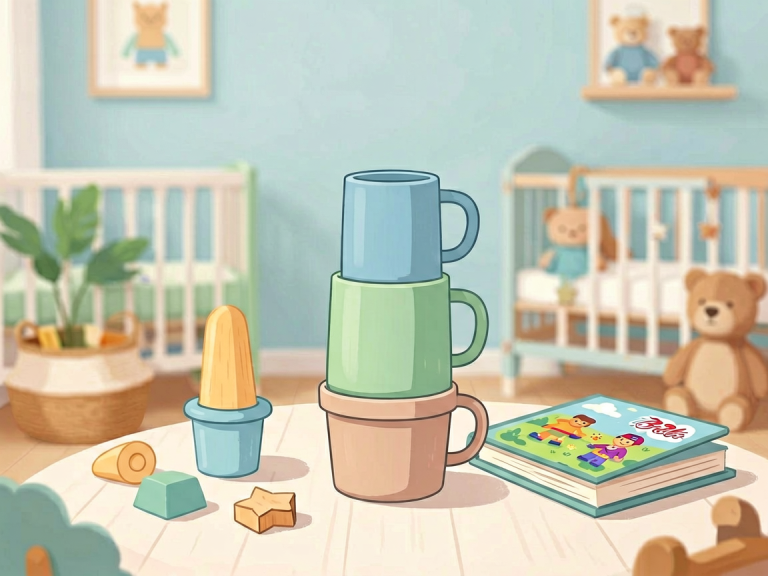
Involve your child in selecting a small backpack or tote bag for their own travel essentials. Items can include: a favorite stuffed animal, a silky scarf for peek-a-boo, a set of plastic stacking cups, a child-safe flashlight, and a few new (wrapped) toys to unveil during the journey. Let them “help” pack, which gives a sense of control.
1.3 Practice with Pretend Play
Set up a “mock airport” at home. Use chairs for a pretend airplane, a cardboard box for a ticket counter, and a blanket for a security scanner. Let your toddler walk through the “metal detector” (a hula hoop) and hand you a toy “boarding pass.” This role-play demystifies confusing procedures and turns potential stressors into games.
—
Section 2: On the Go – Keeping Little Minds Engaged During Transit
Whether you’re in a car, train, or plane, the confined space of travel can quickly become a toddler’s (and parent’s) worst enemy. The key is to alternate between active and calm activities, matching your child’s energy cycles.
2.1 Sensory Bags and Busy Boards
Prepare sealed ziplock bags filled with hair gel, a few drops of food coloring, and small plastic animals or beads. Tape the bags to the tray table or window. Toddlers can press, squish, and search for hidden objects without making a mess. Alternatively, a “busy board” made from a piece of cardboard covered in Velcro strips, large buttons, shoelaces, and zippers offers fine-motor practice for young hands.
2.2 Audiobooks and Music with Actions
Download short, rhythmic audiobooks for toddlers (e.g., *We’re Going on a Bear Hunt* or *Brown Bear, Brown Bear*). Pair them with simple hand motions—clapping, patting your lap, or waving. For longer car rides, create a playlist of songs that require body movements, like “Head, Shoulders, Knees and Toes” or “The Wheels on the Bus.” The physical participation helps release pent-up energy.
2.3 Window Scavenger Hunt
Create a laminated card with pictures of common sights: a red car, a tree, a bird, a bridge, a cow, a truck. As you travel, your toddler can place a sticker or a checkmark next to each item they spot. This activity sharpens observation skills and turns a boring road into a treasure hunt.
2.4 Story Stones on a String
Collect five to seven smooth, palm-sized stones. Paint or glue small images on them: a sun, a fish, a house, a star, a boat. Thread them onto a sturdy string. During transit, your toddler can hold the “story necklace” and you can invent a simple narrative as you point to each stone. For example: “The sun woke up. Then the fish jumped. The boat sailed to the house.” This encourages language development without screens.
—
Section 3: Destination-Based Activities – Exploring New Environments with All Five Senses
Once you arrive, the real adventure begins. Toddlers learn best through hands-on, multi-sensory experiences. Rather than rushing through museums or landmarks, slow down and let your child lead their own discovery.
3.1 Texture Walks
In any new place—whether a city sidewalk or a forest trail—turn the walk into a texture hunt. Carry a small basket or a piece of cardboard with double-sided tape. Encourage your toddler to collect (safe) items like a smooth pebble, a rough leaf, a soft piece of moss, a crinkly dry leaf, a fluffy dandelion. At the end of the day, you can create a “texture collage” on paper. This simple activity sharpens tactile awareness and vocabulary.
3.2 Water Play and Ice Exploration
If you’re near a beach, lake, or even a hotel swimming pool, water is a toddler’s ultimate playground. Pack a set of plastic cups, funnels, and small waterproof toys. Let them pour, splash, and float objects. For a twist, freeze small plastic animals or berries inside ice cubes beforehand and bring them to the pool or bathtub. As the ice melts, they “rescue” the treasures. This teaches cause and effect while cooling them down.
3.3 “I Spy” with a Local Twist
Adapt the classic game to your surroundings. At a historical landmark, say, “I spy something very old and made of stone.” At a farm, “I spy something that says ‘moo’ and is black and white.” Use descriptive language that builds vocabulary and attention to detail. For non-verbal toddlers, hold up a picture of the object and have them point.
3.4 Miniature Picnic and Sit-and-Chat Stops
Toddlers have short attention spans. Instead of pushing through a whole museum or market, plan for frequent breaks. Find a patch of grass, spread a small blanket, and lay out a few snacks and a toy. Use this time to simply sit and talk about what you’ve seen. Ask open-ended questions (even if they can’t answer fully): “What was your favorite animal at the zoo?” or “Did the train sound loud?” This builds memory and narrative skills.
—
Section 4: Quiet-Time and Calming Activities – Managing Overstimulation
Travel is exhausting for toddlers. New sights, sounds, and schedules can lead to meltdowns. Having a set of low-stimulation activities ready can help your child reset.
4.1 The “Bag of Calm”
Prepare a small pouch with soft, quiet items: a small fabric square for rubbing, a lavender-scented cloth, a miniature kaleidoscope, a set of felt animal shapes, and a tiny squishy ball. When your toddler starts to get cranky, offer the bag as a “special quiet helper.” Use it before naps, at restaurants, or after a busy morning.
4.2 Shadow Puppets with Hands
In a dim hotel room or airplane cabin, use a small flashlight or the phone’s flashlight (if safe) to create shadow puppets on the wall or ceiling. Simple shapes: a bird, a dog, a rabbit. Let your toddler try to copy the shapes with their own hands. This activity requires no supplies, promotes fine motor control, and is deeply calming.
4.3 Color Journaling
Bring a small spiral notebook and a few crayons. Each day, ask your toddler: “What color did you see the most today?” Let them scribble that color on a page. Then help them draw a simple shape—a circle for the sun, a triangle for a mountain, a wavy line for water. Over the trip, you create a visual diary. This encourages reflection without requiring words.
—
Section 5: Social and Cultural Engagement – Gentle Introductions to Local Life
Travel is a chance to broaden a toddler’s world beyond their familiar home environment. With careful planning, even a two-year-old can begin to appreciate cultural differences.
5.1 Simple Greetings Game
Before traveling, learn two or three basic phrases in the local language: “hello,” “thank you,” “goodbye.” Practice them as a game at home. While traveling, encourage your toddler to wave and say “ciao” in Italy, “bonjour” in France, or “arigato” in Japan. This turns a foreign language into a friendly song.
5.2 Market Treasure Hunt
When visiting a local market or grocery store, give your toddler a small reusable bag and ask them to find three specific items by color or shape: “Can you find something round and orange?” (a mandarin), “Something long and green?” (a cucumber). This simple task keeps them engaged and introduces new foods.
5.3 Music and Dance Observation
If you hear street musicians or see traditional dancers, stop and watch for a few minutes. Dangle your toddler’s legs to the rhythm, or let them mimic the movements. You can later recreate the dance in your hotel room. This builds appreciation for cultural expression while keeping involvement physical.
—
Section 6: Daily Debrief – Winding Down and Connecting
The end of a travel day is the perfect time to process experiences and bond.
6.1 Sticker Reward Chart
Create a simple chart with spaces for each day of the trip. At the end of the day, let your toddler place a sticker (animal, star, or favorite character) on the chart and recount one happy memory from that day. “Did you like feeding the ducks?” or “Was the ice cream yummy?” This reinforces positive associations with travel.
6.2 Goodnight Rock Collection
Before bed, gather three small “treasures” from the day’s adventures (a pretty pebble, a pressed flower, a hotel keycard). Place them on the nightstand. As you tuck your toddler in, tell a very short story about each item: “This rock was on the path where we saw a bunny. This flower was from the park. This card opened the magic door to our room.” This ritual creates a sense of security and continuity.
—
Conclusion: Embrace the Mess, Treasure the Moments
Traveling with a toddler is not about crossing items off a bucket list or capturing Instagram-perfect photos. It is about discovering the world through fresh eyes—seeing wonder in a passing train, feeling delight in a puddle, learning patience in a long line. With a flexible mindset and a bag of thoughtfully chosen activities, you can transform potential frustrations into cherished memories. Remember: the best travel activity for a toddler is your undivided attention, a willingness to pause, and the freedom to explore at their pace. So go ahead—pack those stacking cups, leave room for spontaneity, and let the little explorer lead the way.