The Art of Screen-Free Play: Guiding Babies from Active Exploration to Peaceful Quiet Time
Introduction: Why Screen-Free Play Matters in the First Years
In an age where digital devices are as common as diapers, the concept of “screen-free play” for babies may seem almost radical. Yet, mounting evidence from pediatric research and early childhood development experts underscores a fundamental truth: the first three years of life are a critical window for sensory, motor, cognitive, and emotional growth. Screens—whether tablets, smartphones, or televisions—provide passive, fast-paced stimuli that can overwhelm an infant’s developing brain rather than nurture it. Screen-free play, on the other hand, offers a rich, hands-on, and child-led experience that lays the foundation for attention, creativity, self-regulation, and, importantly, the ability to transition into quiet, restful periods. This article explores the philosophy and practical strategies behind screen-free play for babies and how parents can gently guide their little ones from active, exploratory play into a calm, restorative quiet time—without relying on digital pacifiers.
Why Screen-Free Play Is Essential for Infant Development
1. The Brain’s Need for Real-World Interaction
From birth, a baby’s brain is wired to learn through direct interaction with the physical world. Every time a baby mouths a wooden block, feels the texture of a soft blanket, or watches a ball roll across the floor, neural connections are being forged. Screens replace three-dimensional experiences with flat, two-dimensional images that fail to engage multiple senses simultaneously. Research from the American Academy of Pediatrics (AAP) recommends avoiding screen time for children under 18 months, except for video chatting, because the rapid scene changes and flashing lights can disrupt the natural development of attention and cause overstimulation. Screen-free play encourages babies to explore at their own pace, use all their senses, and develop the foundational skills of cause and effect, problem-solving, and social-emotional bonding.
2. Fostering Independent Play and Concentration
One of the greatest gifts of screen-free play is the cultivation of independent, sustained attention. When a baby is handed a smartphone, the passive entertainment requires no effort. But when a baby is presented with a simple set of nesting cups or a textured sensory bag, they must actively engage: they need to reach, grasp, shake, drop, and observe. This active process builds what experts call “executive function”—the ability to focus, inhibit impulsive responses, and persist in a task. Over time, babies learn to entertain themselves for short periods, which is a critical precursor to the ability to settle into quiet time without fuss.
3. Reducing Overstimulation to Support Emotional Regulation
Babies have immature nervous systems. They can easily become overstimulated by bright lights, loud noises, and rapid visual changes—all hallmarks of screen content. An overstimulated baby may become fussy, cry more, or have difficulty sleeping. Screen-free play, especially when it incorporates natural materials, soft music, or gentle movement, helps babies stay within a “calm alert” state—the optimal condition for learning and bonding. Furthermore, when play is screen-free, parents are more likely to be present, narrating actions, making eye contact, and responding to the baby’s cues. This co-regulation helps babies learn to calm themselves over time, setting the stage for quiet time.
Creating a Screen-Free Play Environment
1. Choosing the Right Toys: Less Is More
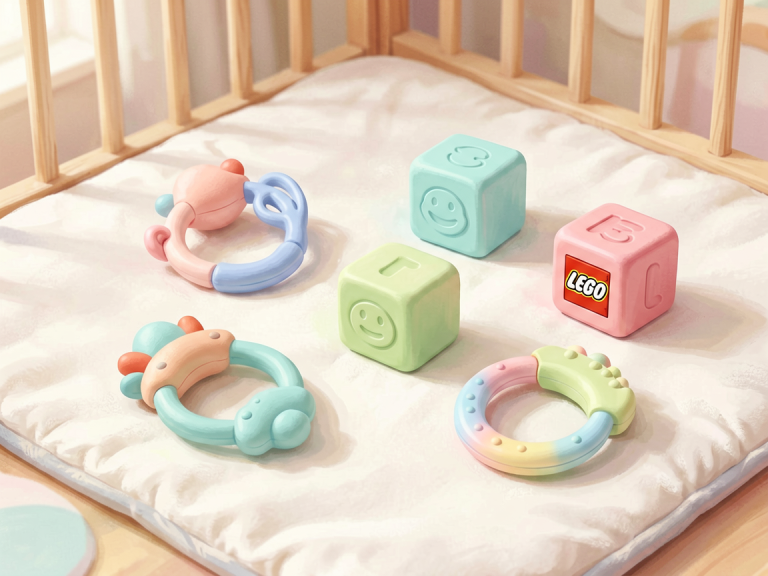
The best toys for screen-free play are open-ended, safe, and simple. Think wooden blocks, silicone teethers, cloth balls, stacking rings, rattles, and fabric books. Avoid toys that light up, make repetitive electronic sounds, or require batteries. These “active” toys actually reduce the baby’s need to problem-solve, because the toy does all the work. Instead, offer toys that require the baby to act on them—push, pull, squeeze, bang, or explore. Even household items like a clean wooden spoon, a cardboard box, or a set of plastic bowls can provide hours of fascinating, screen-free engagement.
2. Setting Up a “Yes” Space
To encourage independent screen-free play, create a safe, contained area where the baby can move freely without constant redirection. This could be a playpen or a sectioned-off area of the living room with a soft mat and a few carefully rotated toys. A “yes” space means that everything within reach is safe and appropriate for the baby to touch, mouth, and explore. This freedom reduces parental stress and allows the baby to fully immerse in play without constant “no’s.” As the baby plays, you can sit nearby, engaged in a quiet activity of your own—reading, knitting, or simply watching. This models calm presence and helps the baby feel secure, which is essential for later quiet time.
3. The Role of Nature and Sensory Play
Incorporate nature into screen-free play: a walk in the garden to feel grass, a bowl of cooked, cold pasta for squishing, or a basket of pinecones and leaves to examine. Sensory play—water, sand, play dough (for older babies), or simple fabric scarves—awakens the senses without overloading them. These experiences are grounding and can naturally lead to a more restful state afterward. For example, after a 15-minute session of splashing in a water table, a baby is often ready for a quiet cuddle or a short nap.
The Transition: From Active Play to Quiet Time
1. Recognizing the Baby’s Cues
The first step in guiding a baby from play to quiet time is learning to read their signals. Signs of fatigue or overstimulation include eye rubbing, yawning, turning away, fussiness, or increased clumsiness. Trying to force quiet time when a baby is still in a high-energy state will often backfire. Instead, plan the transition during a natural lull in play—for example, after a sensory activity that was calming (like watching a sensory bottle) rather than one that was highly physical (like chasing a ball). Watch for that sweet spot where the baby is content but starting to slow down.
2. Creating a Consistent Rhythm
Babies thrive on predictability. Establish a simple daily sequence: active screen-free play → clean-up (even a 6-month-old can help by handing you a toy) → sensory calming activity → quiet time ritual. For example: after 20 minutes of block play, you might put on a soft lullaby, dim the lights slightly, and offer a soft, textured book to look at together while lying on the floor. Then, you might pick the baby up for a slow, gentle rock in a rocking chair. This sequence helps the baby’s nervous system gradually downshift from alert to calm. Consistency is key—over a few weeks, the baby will associate these cues with the coming quiet time and begin to relax in anticipation.
3. Activities That Bridge Play and Quiet
Certain screen-free activities naturally lead to quiet, restful states. Consider these “bridge” activities that float between play and rest:
- Sensory bags: A ziplock bag filled with hair gel and a few small beads (sealed tightly) can be placed on the baby’s lap. The slow, gooey movement is mesmerizing and calming.
- Hydration and a quiet snack: For older babies (9+ months), offering a drink of water or a few apple slices can provide a comforting oral sensation and a pause in activity.
- Soft music or white noise: Turn on a gentle instrumental lullaby or a nature sound (like rain). Combine this with a slow sway or bounce.
- Reading a calm book: Choose a book with soft illustrations and a repetitive, soothing storyline, such as *Goodnight Moon* or *The Very Quiet Cricket*. Read slowly, with a soft voice. You are not teaching letters—you are creating a shared, peaceful moment.
- Gentle massage: After removing the baby’s socks, rub their feet with a little coconut oil while singing a simple, slow song. This triggers the parasympathetic nervous system, encouraging relaxation.
4. The Quiet Time Itself
Quiet time does not have to mean sleep. For babies, quiet time might be 10–20 minutes of calm, low-stimulation activity in a safe space. Place the baby in a playpen with a couple of soft toys, a crinkle paper, or a sensory book. Keep the lighting low and sounds minimal. If the baby begins to fuss, you can gently pat their back or murmur a reassuring phrase, but avoid picking them up immediately. The goal is to allow the baby to learn to self-soothe and settle. With practice, many babies learn to enjoy these quiet breaks, even drifting off to sleep. If the baby becomes overtired and cannot settle, it’s okay to intervene with rocking or feeding—quiet time should be flexible and guided by the baby’s needs, not a rigid schedule.
Overcoming Common Challenges
1. The “Screen as Pacifier” Trap
Many parents turn to screens out of necessity: a crying baby during a phone call, a restless infant in a restaurant, or a tired parent who needs five minutes of peace. The short-term fix feels like a lifesaver, but it can create a long-term habit. To break this cycle, prepare alternative “emergency” tools: a small pouch of teething crackers, a crinkle toy, a mini sensory bottle, or a favorite board book. Keep these in your diaper bag or near your usual spots. When you resist the urge to hand over a screen, you are giving your baby the gift of learning to tolerate small frustrations—the very foundation of patience and resilience.
2. When the Baby Refuses Quiet Time
Some active, high-energy babies resist any form of slowing down. In these cases, do not force a traditional quiet time. Instead, adapt the concept: try “quiet play” in a contained space with a single, calming toy. Lay the baby on their back under a mobile with slow, spinning shapes. Or take them outside in a baby carrier and walk slowly, pointing out trees and clouds. The movement can be soothing, and the lack of direct engagement can mimic quiet time. With time and consistency, even the most spirited babies can learn to enjoy periods of calm.
Conclusion: The Lifelong Gift of Unplugged Moments
Screen-free play is not about perfection or eliminating all technology from a baby’s life—it’s about intentionally prioritizing real, tactile, and relational experiences that support healthy brain development. By creating a rich play environment free from digital distractions, and by gently teaching the transition from active exploration to peaceful quiet, parents empower their babies with two essential skills: the joy of independent discovery and the ability to rest. In a world that constantly demands attention, the ability to unplug, be present, and find calm is perhaps the most precious gift we can give our children—starting from their very first months. So put down the phone, pick up a block, and watch your baby’s world unfold, one screen-free moment at a time.