Best Sorting Toys for Babies: A Comprehensive Guide to Early Cognitive Development
Introduction: Why Sorting Toys Matter for Your Baby’s First Years
From the moment a baby grasps a rattle or pushes a block across the floor, they are engaged in a profound act of learning. Among the myriad of toys available, sorting toys hold a special place in early childhood development. These deceptively simple objects—often featuring shapes, colors, and textures that require matching, classifying, or arranging—are not merely distractions. They are powerful tools that lay the foundation for cognitive skills, fine motor coordination, problem-solving abilities, and even language acquisition. For parents and caregivers seeking the best sorting toys for babies, understanding what makes these toys effective, safe, and developmentally appropriate is essential. This article explores the top-rated sorting toys on the market, the science behind their benefits, and practical tips for integrating them into daily play. Whether you have a curious six-month-old or a busy one-year-old, the right sorting toy can transform ordinary moments into extraordinary learning opportunities.
The Developmental Power of Sorting Toys
Cognitive Benefits: Building Logical Thinking and Categorization
At its core, sorting is a fundamental cognitive skill. When a baby attempts to place a square block into a square hole, they are not just performing a physical action—they are engaging in pattern recognition, spatial reasoning, and cause-and-effect analysis. Research in early childhood education consistently shows that sorting activities stimulate the prefrontal cortex, the part of the brain responsible for executive functions such as planning, decision-making, and impulse control. According to developmental psychologist Dr. Maria Lichtenstein, “Sorting toys provide infants with their first structured experiences of classification, which is the bedrock of mathematical thinking.” By repeatedly matching shapes, colors, or sizes, babies learn to identify attributes, compare objects, and form categories. This process is not unlike the way older children learn to sort animals, fruits, or numbers. The beauty of sorting toys is that they make abstract concepts tangible. A baby may not yet understand the word “circle,” but they can feel its smooth, round edge and discover that it fits perfectly into the corresponding hole. Over time, these sensory experiences build neural pathways that support later learning in geometry, logic, and even reading comprehension.
Physical and Motor Skill Development
Beyond cognition, sorting toys are exceptional for fine motor development. The act of grasping a small block, manipulating it in the hand, and guiding it into a precise opening requires coordination between the eyes, hands, and fingers. For babies aged 6 to 12 months, this is a critical period for developing the pincer grasp—the ability to pick up small objects between thumb and forefinger. Many sorting toys are designed with handles, knobs, or large pieces that are easy for tiny hands to hold, encouraging repeated practice. As babies progress, they begin to use both hands in coordination, one to hold the container and the other to insert the shape. This bilateral integration is essential for later tasks like writing, buttoning clothes, or using scissors. Moreover, the physical effort of turning a shape to fit into a slot builds wrist rotation and finger dexterity. Occupational therapists often recommend sorting toys for babies with developmental delays because the repetitive, goal-oriented movements strengthen hand muscles and improve somatic awareness.
Social and Emotional Learning Through Play
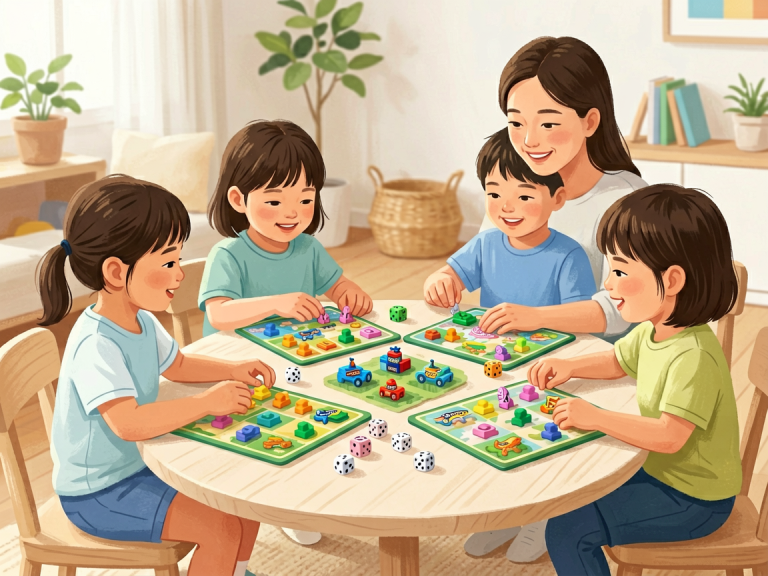
While sorting is often a solitary activity, it can also foster social skills when introduced in a group setting. Babies and toddlers learn by watching others, and a caregiver’s patient demonstration of how to match shapes can model persistence and problem-solving. When a baby successfully places a piece, the resulting “click” or satisfying drop provides instant positive reinforcement, boosting self-esteem and motivation. Conversely, frustration when a piece doesn’t fit teaches emotional regulation. A good sorting toy allows for trial and error without causing excessive distress—for example, a shape sorter with large, forgiving openings encourages multiple attempts. Over time, babies develop a sense of mastery and independence, which is crucial for healthy emotional development. Some sorting toys also incorporate sounds, lights, or textures that reward correct placements, adding an element of surprise that keeps babies engaged.
Criteria for Selecting the Best Sorting Toys for Babies
Not all sorting toys are created equal. Safety, durability, and developmental appropriateness are paramount. Here are the key factors to consider before making a purchase.
Safety First: Materials, Size, and Choking Hazards
Babies explore the world through their mouths, so any toy they can hold must be free of toxins and small parts. Look for sorting toys made from BPA-free plastic, food-grade silicone, or untreated solid wood. Avoid toys with painted finishes that might chip or contain lead. The Consumer Product Safety Commission (CPSC) recommends that any toy smaller than 1.25 inches in diameter or with detachable parts should be kept away from children under three, as they pose a choking hazard. Many high-quality sorting toys feature oversized pieces that are too large to swallow but still manageable for little hands. Additionally, check for smooth edges, non-toxic finishes, and sturdy construction that won’t break into sharp pieces if dropped.
Age Appropriateness: Matching Complexity to Developmental Stage
A sorting toy suitable for a seven-month-old is very different from one designed for an eighteen-month-old. For babies under nine months, the best sorting toys are those with simple, large shapes (like circles, squares, and triangles) that fit into corresponding holes with generous tolerances. At this stage, the goal is not perfect alignment but rather the sensory experience of picking up and releasing objects. Toys with chunky handles or knobs allow even the youngest babies to participate. From nine to twelve months, babies begin to understand that each shape has a unique matching slot. Look for toys with slightly narrower openings that require more precise orientation. By twelve to eighteen months, toddlers can handle more complex sorters with multiple shapes, colors, or even numbers and letters. Some advanced toys incorporate stacking rings, nesting cups, or puzzle boards that require sequencing. Always choose a toy that offers a slight challenge without being frustrating—if your baby loses interest quickly, the toy may be too hard or too easy.
Durability and Ease of Cleaning
Babies are messy. Sorting toys will inevitably end up on the floor, in the mouth, and possibly in the diaper bag. The best sorting toys are made from materials that can be wiped clean with a damp cloth or placed in the top rack of a dishwasher. Plastic toys are generally easier to sanitize than wooden ones, which may absorb moisture and warp. However, high-quality wooden toys sealed with non-toxic varnish can be just as durable if cared for properly. Avoid toys with fabric components, small crevices, or battery compartments that are not sealed, as these can harbor bacteria. Also consider the toy’s weight—heavier wooden sorters are less likely to tip over during play, while lightweight plastic ones may frustrate a baby who accidentally knocks them over.
Top Recommendations: The Best Sorting Toys for Babies
Based on expert reviews, parent testimonials, and developmental research, the following sorting toys consistently rank as the best choices for babies aged 6 to 24 months.
1. The Classic Wooden Shape Sorter: Playskool Form Fitter
A timeless favorite, the Playskool Form Fitter has been a staple in nurseries for decades. It features a hollow cube with cutouts for four basic shapes: circle, square, triangle, and star. The pieces are large, brightly colored, and made of sturdy plastic with rounded edges. The cube has a removable lid with a handle, making it easy for babies to empty and refill, which adds an element of cause-and-effect fun. Why it excels: The simplicity of the design allows babies to focus solely on the matching task without distractions. The star shape is slightly more challenging than the others, providing a natural progression. Parents appreciate that the pieces are easy to clean and the cube is lightweight yet stable. For babies who are ready for a bit more complexity, the toy can be used for color sorting as well.
2. The Montessori-Inspired Wooden Sorting Board: Hape Early Explorer Shape Sorter
Hape’s wooden shape sorter takes a more open-ended approach. Instead of a closed box, it features a flat wooden board with recessed shapes and corresponding cutouts. Babies place each wooden piece into its designated spot, and the pieces can be removed easily for endless repetition. Hape uses sustainably harvested wood and water-based, non-toxic paints. The set includes seven shapes in bright, primary colors. Why it excels: The flat board design encourages two-handed coordination—babies must use one hand to hold the board steady and the other to place the piece. The lack of a lid also makes it less frustrating for younger babies who might struggle with inserting pieces into a narrow slot. Additionally, the pieces can be used for stacking or building, extending the toy’s lifespan. The Hape sorter is particularly recommended for babies aged 9 to 18 months.
3. The Interactive Electronic Shape Sorter: Fisher-Price Laugh & Learn Smart Stages Shape Sorter
For families who prefer a screen-free but interactive experience, the Fisher-Price Smart Stages Shape Sorter integrates music, lights, and phrases that teach shapes, colors, and numbers. The toy has a soft, fabric base and five plastic shapes that, when inserted correctly, trigger fun sounds and songs. The “Smart Stages” technology allows parents to adjust the difficulty level as the baby grows. In the first stage (6–12 months), the toy simply plays sounds when any shape is inserted; in the second stage (12–18 months), it identifies the shape by name; in the third stage (18+ months), it asks questions like “Can you find the triangle?” Why it excels: The auditory and visual feedback reinforces correct sorting and keeps babies engaged for longer periods. The soft base is also gentle on floors and prevents the toy from sliding. Some parents worry about battery life, but the toy uses standard AA batteries and features an auto-off function. It is especially helpful for babies who need extra motivation to persist through frustrating moments.
4. The Stacking and Nesting Sorter: Melissa & Doug Take-Along Shape Sorter
Melissa & Doug is renowned for their durable wooden toys, and the Take-Along Shape Sorter is a portable favorite. It consists of a wooden box with a clear plastic lid that reveals the interior. The lid has shaped cutouts, and the set includes eight brightly colored wooden blocks. The box has a sturdy handle, making it easy for babies to carry around. The blocks are large enough to avoid choking hazards and feature painted designs like animals and vehicles. Why it excels: The transparent lid allows babies to see where their pieces go, aiding spatial understanding. The handle encourages independent play and movement, turning sorting into a mobile activity. It is also a great travel toy—perfect for car rides or doctor’s appointments. The only downside is that wooden blocks may show wear from chewing, but Melissa & Doug offers a warranty against defects.
5. The Soft and Safe Fabric Shape Sorter: Infantino Textured Shape Sorter
For the youngest babies (6 months and up), the Infantino Textured Shape Sorter is a wonderful alternative to hard plastic or wood. It features a soft, plush cube with chunky, fabric-covered shapes. Each shape has a different texture—bumpy, smooth, ridged—to stimulate tactile exploration. The shapes are lightweight and easy to grasp, and they fit into elasticized openings on the cube. Why it excels: There are no hard edges or small parts, making it completely safe for babies who still mouth everything. The fabric cube can be squished and rolled, adding another dimension of play. It is machine washable, which is a huge plus for hygiene. However, the elastic openings may be too easy for older babies, so this toy is best for the 6- to 12-month window.
How to Introduce Sorting Toys to Your Baby: Tips for Parents
Even the best sorting toy won’t be effective if it’s simply handed to the baby with no guidance. Here are practical strategies to maximize learning and enjoyment.
Demonstrate with Patience and Enthusiasm
Babies learn through imitation. Sit on the floor with your baby and slowly show them how to pick up a shape, turn it, and place it into the correct hole. Use exaggerated facial expressions and simple language: “Look, round circle goes in the round hole. And it fits! Yay!” Repeat the process several times, then hand the shape to your baby and let them try. If they struggle, gently guide their hand rather than doing it for them. Praise every attempt, even if unsuccessful—the goal is to build confidence.
Incorporate Language and Singing
Sorting time is an excellent opportunity for vocabulary building. Name each shape, color, and action as you play. Sing simple songs like “The Shapes in the Box” to the tune of “The Wheels on the Bus.” For example: “The circle goes in the round hole, round hole, round hole. The circle goes in the round hole, all day long.” Repetition and rhythm make the concepts stick. You can also ask questions: “Which shape is red? Can you find the triangle?” Even if your baby cannot answer, they are absorbing the language.
Rotate Toys to Prevent Boredom
Babies, like adults, can become bored with the same toy. Keep two or three different sorting toys available and rotate them weekly. This maintains novelty and challenges your baby with different types of sorting—some require fitting into holes, others stacking, others matching on a board. Observing your baby’s play patterns can also tell you when they have mastered a particular skill and are ready for a harder toy.
Let Your Baby Lead the Play
Avoid turning sorting into a drill. Follow your baby’s interests: if they want to empty and dump the shapes repeatedly, let them. That is a valid form of play that teaches cause and effect and object permanence. If they prefer to chew on a shape for ten minutes, that’s fine too—oral exploration is part of sensory development. The best learning happens when the baby is in charge of the activity, with the adult as a supportive guide.
Common Mistakes to Avoid When Choosing Sorting Toys
Overcomplicating the Design
Some toys claim to be sorters but include too many shapes, flashing lights, or complex mechanisms that overwhelm a baby. The best sorting toys are elegantly simple: a few shapes, a few holes, and a clear goal. Avoid toys with small, fiddly pieces that require adult assistance to use effectively.
Ignoring the Baby’s Current Skill Level
If your baby is still learning to grasp, a shape sorter with very tight openings will only frustrate them. Conversely, a toy that is too easy (e.g., all shapes fit into the same hole) will not hold their attention. Observe your baby’s fine motor abilities and choose a toy that matches their current stage. You can always introduce a more challenging version later.
Neglecting Safety When Buying Secondhand
Vintage sorting toys can be charming, but they may contain lead paint or small parts that do not meet modern safety standards. Always check consumer recall lists and avoid toys made before 1978. If you buy used, clean the toy thoroughly with soap and water or a mild bleach solution, and ensure no parts are loose or broken.
Conclusion: The Lasting Value of Sorting Toys
Sorting toys are far more than simple amusements—they are the first tools through which babies learn to organize the world around them. From the classic wooden shape sorter to modern interactive versions, the best sorting toys for babies share common traits: they are safe, age-appropriate, durable, and engaging. They cater to a baby’s natural curiosity while quietly building the neural architecture for logic, language, and physical control. By investing in a well-designed sorting toy and using it with patience and creativity, parents can provide their children with a foundation for lifelong learning. Remember that the true joy of these toys lies not in the perfect placement of a shape, but in the messy, joyful, and sometimes frustrating process of discovery. So the next time your baby drops a block for the hundredth time, smile—they are hard at work, sorting out the universe one piece at a time.