Building Play for Kids: The Art and Science of Creating Meaningful Play Experiences
Introduction
Play is often dismissed as a frivolous pastime, but those who study childhood development know it to be the very engine of growth. In an era of structured schedules, screen saturation, and academic pressure, the concept of "building play" has never been more critical. Building play for kids is not about purchasing the latest toy or installing an elaborate playset; it is a deliberate, mindful process of designing environments, selecting materials, and cultivating attitudes that invite children to explore, create, and connect. This article delves into the multifaceted endeavor of constructing rich play experiences, drawing insights from developmental psychology, education, architecture, and the lived wisdom of parents and educators. By understanding what genuine play looks like and how to foster it, we can reclaim childhood’s most essential birthright.
The Foundational Role of Play in Child Development
Before we discuss how to build play, we must understand its profound significance. Play is not a break from learning—it *is* learning. Neurobiological research shows that during play, the brain forges dense neural connections, particularly in regions governing executive function, language acquisition, and social cognition. When a child builds a tower of blocks, they are grappling with physics and geometry. When they engage in make-believe, they practice empathy and narrative thinking. When they run, jump, and climb, they develop proprioception, balance, and the ability to assess risk. Every form of play—solitary or collaborative, quiet or boisterous—contributes uniquely to a child's holistic development. Building play for kids, therefore, means recognizing that play is not optional; it is the primary vehicle through which children make sense of their world.
Designing Physical Spaces That Inspire Exploration
Outdoor Environments: The Living Playground
One of the most tangible ways to build play is through the design of outdoor spaces. Traditional playgrounds with standardized equipment—slides, swings, and monkey bars—offer limited possibilities. In contrast, modern landscape architects advocate for "natural playgrounds" that incorporate loose parts such as logs, boulders, sand, water, and native plants. These elements allow children to impose their own narratives. A pile of leaves becomes a treasure heap; a puddle becomes an ocean. The best outdoor play spaces provide graduated challenges: gentle slopes for toddlers, higher climbing features for older children, and open fields for chasing games. Safety is paramount, but so is the opportunity for calculated risk. When children navigate a wobbly bridge or balance on a stump, they learn about their own limits and build confidence. Building play outdoors also means considering microclimates: shade for hot days, windbreaks for chilly ones, and accessible paths for all abilities. A truly inclusive playground welcomes every child into the world of play.
Indoor Play Zones: The Room That Breathes Wonder
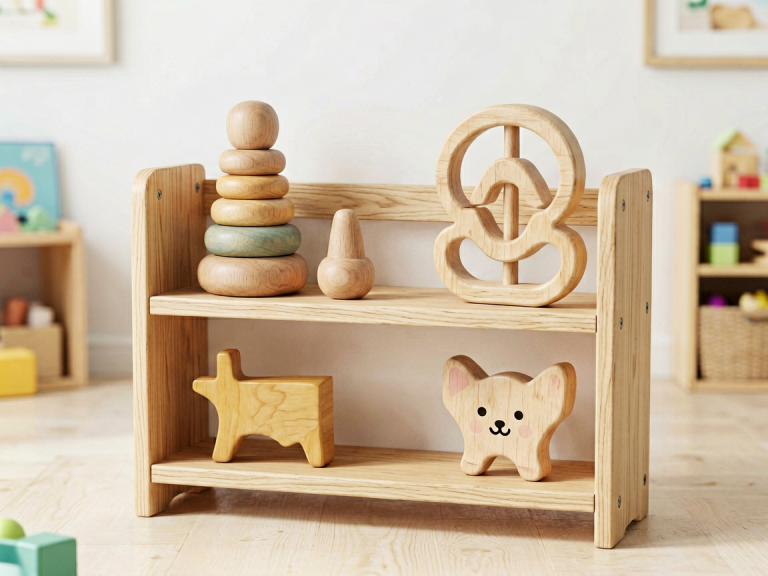
Not all play happens under the sky. Indoor environments can be equally transformative if designed with intention. A well-planned playroom is not a chaotic dumping ground for toys; it is a series of inviting zones. A reading corner with pillows and soft lighting invites quiet contemplation. A building area with a low shelf of blocks, magnetic tiles, and recycled containers encourages construction. A dress-up station with a mirror and a rack of costumes sparks imagination. A messy art table with washable paints, clay, and paper provides sensory release. The key principles are accessibility and flexibility: everything should be within the child’s reach, and containers should be transparent or labeled with pictures. Rotating toys periodically maintains novelty, but the most crucial element is permission. When children know they can rearrange a rug to make a spaceship or drag pillows to build a fort, they are truly playing. Building play indoors also means tolerating disorder. A tidy room is often a played-less room.
Selecting Toys and Materials That Cultivate Creativity
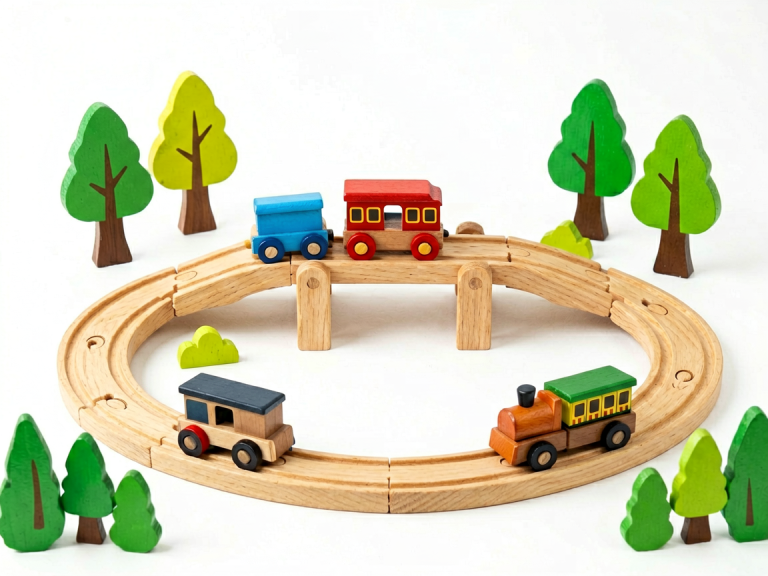
Toys are the tools of play, and their selection is a cornerstone of building play for kids. The most powerful toys are "open-ended": they have no prescribed outcome. Wooden blocks, LEGO bricks, art supplies, dolls, clay, and simple balls all fall into this category. A set of wooden blocks can be a castle one day, a spaceship the next, and a bridge the day after. In contrast, many battery-operated toys—those that talk, sing, or flash lights—dictate a narrow range of interactions. They entertain but do not engage. When building a toy collection, prioritize quality over quantity. A handful of well-chosen, durable items that invite manipulation and imagination are far more valuable than a closet full of plastic gadgets. Additionally, seek out materials that reflect diverse cultures, genders, and abilities. A doll with a wheelchair, a book with multiracial families, or play food from different cuisines sends powerful messages of inclusion. Building play through toys also includes the practice of making one’s own playthings: a cardboard box becomes a car, a blanket becomes a cape. The simplest materials often inspire the deepest play.
The Adult’s Role: Facilitator, Not Director
Many adults struggle with how to enter a child’s play world. The natural instinct is to teach or correct: "That block goes here," or "You’re doing it wrong." But this instinct can undermine the very essence of play, which is self-directed and intrinsically motivated. Building play for kids requires adults to adopt a facilitator’s mindset. This begins with observation. Watch what the child is drawn to. Notice their theories and questions. Then, gently scaffold without taking over. You might ask, "What do you think would happen if you added more water to that sand?" or "I wonder why your tower fell down." You might supply a new material—a piece of string, a cardboard tube—that extends their exploration. But the golden rule is this: the child’s process matters more than the product. A crooked tower built with joy teaches more than a perfect tower built under instruction. Sometimes, the best way to build play is to step back and simply be present—laughing, modeling wonder, and showing that play is valuable. Adults who play alongside children, without dominating, create a powerful bond and a model for lifelong playfulness.
Navigating Technology: Digital Play with Purpose
In the twenty-first century, building play for kids must address screens. Digital devices are here to stay, and they can offer genuine play experiences when used thoughtfully. Educational apps that require problem-solving, creativity, and critical thinking—such as simple coding games, digital drawing tools, or interactive storytelling platforms—can complement physical play. However, passive consumption of videos or mindless tapping games does not constitute meaningful play. The key is intentional curation. Set clear time limits, choose apps that are ad-free and designed by child development experts, and co-play whenever possible. Sitting beside a child as they navigate a puzzle app allows you to ask questions, celebrate discoveries, and connect the digital experience to the real world. For example, after a child builds a virtual garden, you might plant a real seed together. Building play in the digital realm also means modeling healthy screen habits ourselves. When children see adults putting down phones to engage in face-to-face play, they internalize the message that human connection matters more than pixels.
Infusing Play into Everyday Routines
Building play for kids does not require elaborate setups or scheduled "playtime." Rather, play can be woven into the fabric of daily life. Mealtime can become a sensory adventure: arranging carrot sticks into patterns, inventing stories about broccoli trees. Bath time transforms into a water-play laboratory with cups, strainers, and floating toys. Household chores can be gamified: who can sort the socks the fastest? Can we fold towels into animal shapes? Even waiting in line or riding in a car offers opportunities for verbal games like "I Spy," "Twenty Questions," or collaborative storytelling. When adults adopt a playful attitude, they create a culture where imagination thrives. This approach also reduces the pressure on parents to orchestrate elaborate activities. The mundane becomes magical. A trip to the grocery store becomes a scavenger hunt for colors. A walk to the mailbox becomes an expedition to find "treasures" (pretty leaves, interesting rocks). Building play into routines fosters a mindset of curiosity and joy that benefits both children and adults.
Overcoming Modern Barriers to Play
Despite its proven benefits, play is under siege. Overscheduled calendars, unsafe neighborhoods, screen addiction, and an overemphasis on academic metrics have eroded the time and space for free play. Building play for kids requires active advocacy. Families can push back against excessive homework, prioritize unstructured weekends, and arrange playdates that are not micromanaged. Communities can invest in safe public parks, open streets for play, and after-school programs that prioritize creative exploration over test prep. Schools can protect recess and restore the arts. Perhaps the most insidious barrier is fear: fear of injury, fear of stranger danger, fear of a child falling behind. We must educate ourselves about the difference between genuine risk and unnecessary hazard. A scraped knee is not a disaster; it is a lesson in physics and resilience. Building play means building courage—for children and for the adults who love them.
Conclusion: A Call to Action
Play is not a luxury reserved for weekends or vacations. It is the fundamental work of childhood, and it deserves our deliberate, loving attention. Building play for kids is a creative act that combines science and soul: it requires understanding development, designing spaces, choosing wisely, letting go of control, and fighting for cultural change. As parents, educators, designers, and policymakers, we hold the power to shape environments where children can play freely, deeply, and joyfully. In doing so, we are not just building play—we are building brains, hearts, resilience, and a more compassionate world. Every block stacked, every mud pie baked, every imaginary kingdom conjured is a brick laid in the foundation of a life. Let us build it well.