The Energetic Learner: A Parent’s Guide to Supporting Learning at Home for 5-Year-Old Boys
—
Introduction: Why a Tailored Approach Matters
At five years old, boys are often bundles of physical energy, curiosity, and emerging independence. Their brains are developing rapidly, but their attention spans can be short, and their need for movement is high. Unlike structured classroom settings, home learning for a five-year-old boy must feel like play, exploration, and adventure. As a parent, you are not a substitute teacher—you are a guide, a co-explorer, and a cheerleader. This guide offers practical, research-backed strategies to create a rich learning environment at home that respects your son’s developmental stage, fuels his natural interests, and builds foundational skills in literacy, numeracy, social-emotional growth, and creativity.
—
1. Understanding the Five-Year-Old Boy’s Brain and Body
Before diving into activities, it is essential to recognize what makes five-year-old boys unique. At this age, boys often have slightly higher activity levels than girls, and their fine motor skills may lag behind their gross motor abilities. They thrive on routines but also need novelty. Their frontal lobes—the part of the brain responsible for impulse control and planning—are still under construction, so expecting long periods of quiet seatwork is unrealistic. Instead, embed learning in movement: counting while jumping, spelling while building with blocks, and reading while snuggling on the sofa. Embrace the chaos; it is part of the process.
—
2. Setting Up a Learning-Friendly Home Environment
Create a “Yes” Space
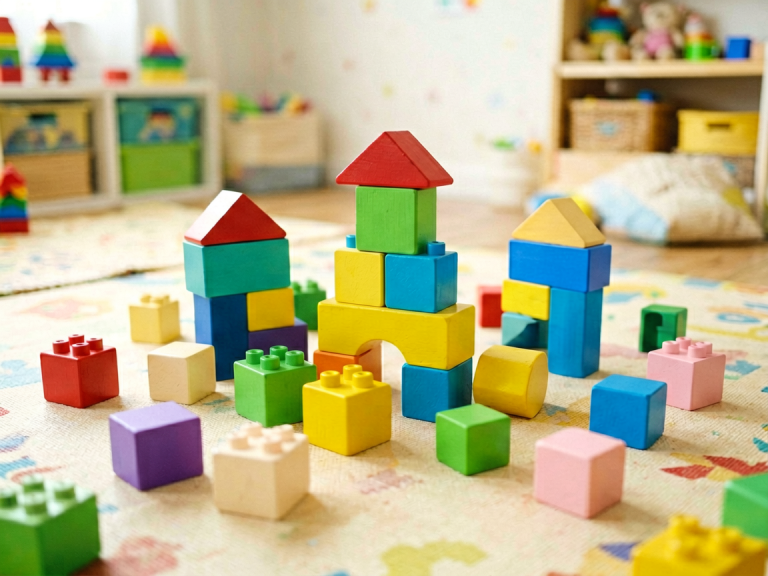
Designate a corner, table, or even a small rug where your son knows he can make messes and explore. Stock it with open-ended materials: wooden blocks, crayons, playdough, magnetic letters, and simple puzzles. Avoid overstimulation—too many choices can overwhelm a five-year-old. Rotate toys and materials weekly to keep novelty alive.
Incorporate Movement Stations
Since boys learn through their bodies, include a “movement break” area. A small trampoline, a balance beam made of masking tape on the floor, or a set of yoga cards can help him release energy before focusing. Research shows that short bursts of physical activity improve attention and cognitive performance in young children.
Limit Screens, but Use Them Wisely
The American Academy of Pediatrics recommends no more than one hour of high-quality screen time per day for five-year-olds. Choose interactive apps that require problem-solving (e.g., *Khan Academy Kids*, *Endless Alphabet*) rather than passive videos. Better yet, watch together and discuss what you see—this turns screen time into a shared learning experience.
—
3. Building Early Literacy Through Play
Read Aloud Every Day—But Make it Interactive
Boys often prefer non-fiction, action-based stories. Let him choose books about dinosaurs, trucks, or superheroes. Ask questions: “What do you think happens next?” “Why did the character do that?” Pause to let him point to letters he recognizes. For reluctant readers, try “audio books” paired with the physical book—he can follow along while listening.
Letter Hunts and Name Games
Write his name in large letters on a piece of paper and hide magnetic letters around the room. Have him find the letters and match them to the name. This turns letter recognition into a scavenger hunt. Another favorite: “Alphabet Obstacle Course”—place a letter card at each station; he must say the letter sound before moving to the next activity.
Writing That Doesn’t Feel Like Writing
Fine motor skills can be a struggle. Instead of worksheets, use a tray of sand or shaving cream for him to draw letters with his finger. Squeezing a glue bottle to make letter shapes, connecting dot-to-dot pictures, or using tweezers to pick up small objects all strengthen hand muscles without the pressure of holding a pencil.
—
4. Making Math Meaningful and Active
Count Everything
Count the stairs as you climb, the spoons as you set the table, the cars in the parking lot. For a five-year-old boy, math is not abstract—it is about the world he can touch. Use a number line on the floor and have him hop from number to number while counting.
Patterns and Shapes in Daily Life
Point out patterns in his clothing (stripes, polka dots) or in nature (leaves, petals). Build shapes with sticks or pipe cleaners. Ask, “Can you make a triangle with your body?” (He can lie on the floor and form a triangle with his arms and legs.) This kinesthetic approach cements concepts better than flashcards.
Simple Board Games for Logic
Games like *Candy Land*, *Chutes and Ladders*, or *Hi Ho! Cherry-O* teach counting, turn-taking, and following rules—all disguised as fun. For a more math-focused option, *Sum Swamp* or *Roll and Play* add simple addition and subtraction.
—
5. Fostering Curiosity in Science and Nature
The Outdoor Classroom
Boys thrive outside. Go on a “texture walk” (rough bark, smooth stones, sticky mud). Collect leaves and sort them by color or size. Dig in the dirt together—worms, bugs, and roots are fascinating biology lessons. Keep a simple journal where he can draw what he found and dictate a sentence for you to write.
Simple Experiments
Five-year-olds love cause and effect. Try a baking soda and vinegar volcano, or freeze a small toy in an ice cube and let him predict how long it will take to melt. Ask open-ended questions: “What do you think will happen if we add more water?” Avoid giving answers immediately; let him hypothesize and test.
Cooking as Science
Measuring ingredients, mixing, and observing changes (liquid to solid, raw to cooked) is chemistry in action. Let him crack an egg (messy but memorable), stir batter, and watch bread rise. The process teaches sequencing, patience, and measurement.
—
6. Developing Social-Emotional Skills Through Play
Emotion Vocabulary
Five-year-old boys may express big feelings through physical actions (hitting, throwing). Teach him words for emotions: “You look frustrated. Frustrated means you want to do it but it’s hard.” Use books like *The Way I Feel* or *When Sophie Gets Angry* to discuss characters’ feelings. Role-play scenarios with stuffed animals: “How do you think Teddy feels when you take his truck?”
Cooperative Games, Not Competitive Ones
At this age, many boys struggle with losing. Choose games where everyone works together toward a common goal, such as *The Sneaky, Snacky Squirrel Game* (cooperative version) or building a block tower together. Praise effort and teamwork, not just winning.
Structured Free Play
Set a timer for “special playtime” where you follow his lead. If he wants to be a superhero, ask questions: “What is your superpower? Who are you saving?” This builds language, imagination, and confidence. Resist the urge to correct or direct—just be present.
—
7. Nurturing Creativity and Fine Motor Skills
Art with Purpose
Boys often enjoy projects that involve building or destroying. Provide tape, cardboard boxes, string, and recycled materials. Let him construct a spaceship or a robot. The process is more important than the finished product. Encourage him to describe his creation—this strengthens storytelling.
Music and Rhythm
Clap patterns and have him repeat them. Sing silly songs with actions. Play “freeze dance” where he must stop when the music stops—this trains impulse control. If you have simple instruments (drums, shakers), let him experiment with loud/soft, fast/slow.
Puzzles and Construction Play
Jigsaw puzzles (start with 12–24 pieces) develop spatial reasoning. Building with LEGO Duplo or magnetic tiles teaches geometry and patience. Instead of giving him a model, let him build freely and then ask him to count how many blocks he used or describe the shape.
—
8. Establishing Routines That Support Learning
The Power of Predictability
Boys feel secure when they know what comes next. Create a visual schedule using pictures (wake up, breakfast, playtime, snack, learning activity, outdoor time, lunch, quiet time, etc.). Stick to it loosely, but allow flexibility when he is deeply engaged in an activity.
Keep Learning Sessions Short
Aim for 10–15 minutes of focused, parent-led activity, followed by a movement break. Two or three short sessions per day are more effective than one long session. Watch for signs of fatigue—if he is wiggly or unfocused, shift to something active.
Celebrate Effort Over Outcome
When he tries to write his name but makes letters backwards, say, “I love how you tried! Look at that ‘S’—it’s almost a circle.” Avoid correcting mistakes too early. The goal is to build a love of learning, not perfection. Use phrases like “You worked so hard on that” instead of “You’re so smart.”
—
9. Partnering with Teachers and Caregivers
Stay Informed About School Expectations
If your son attends preschool or kindergarten, ask his teacher what skills they are working on. Do they focus on letter sounds? Counting to 20? Social skills like sharing? Align your home activities to reinforce those goals without duplicating schoolwork.
Share Your Observations
Tell the teacher what your son loves at home. If he is obsessed with trains, the teacher might incorporate train-themed books or math problems. Collaboration between home and school creates a consistent learning ecosystem.
Respect the “Boy Energy”
Some educators may expect all children to sit still and follow directions quietly. Advocate for your son’s need for movement, and gently explain to teachers that active learning works best for him. A good teacher will appreciate your insights.
—
10. Taking Care of the Parent: You Are Enough
Finally, remember that you do not need to be a curriculum expert. Your presence, patience, and playfulness are the most powerful tools. There will be days when your son refuses to do anything you plan. That is normal. On those days, simply read a book together, go outside, or build a fort. Learning is not a checklist; it is a relationship. Trust that small, consistent moments—counting crackers at snack, singing the alphabet in the bath, laughing over a silly story—are building a foundation for lifelong curiosity. You are exactly the guide he needs.
—
*Word count: approximately 1,250*