Fine Motor Activities for 2-Year-Olds: Building Small Muscles, Big Skills
Introduction
The toddler years are a whirlwind of discovery, and few developmental milestones are as fascinating to watch as the progression of fine motor skills. For a two-year-old, the world is a hands-on classroom where every pinch, poke, and pour is a lesson in coordination. Fine motor activities—those that engage the small muscles of the hands, fingers, and wrists—are not merely playful pastimes; they are the foundation for later skills such as writing, buttoning a shirt, using scissors, and even tying shoelaces. Yet, many parents and caregivers feel uncertain about which activities are age-appropriate and genuinely beneficial for a child who is still mastering the art of unassisted walking and simple language. This article explores the why and how of fine motor play for two-year-olds, offering a structured guide to activities that are engaging, safe, and developmentally sound. With the right materials and a little patience, you can turn everyday moments into powerful opportunities for growth.
Why Fine Motor Skills Matter at Age Two
At two years old, children are moving from the gross motor heavy work of crawling, cruising, and toddling to more refined hand movements. They are learning to isolate their fingers, coordinate both hands together, and apply controlled pressure. These skills are critical because they directly influence a child’s independence. A two-year-old who can pick up a small piece of cereal with a pincer grasp can feed herself; one who can turn the pages of a board book can “read” alongside a parent. Moreover, fine motor development is tightly linked to cognitive growth—each activity demands planning, problem-solving, and concentration. The brain and the hands work in tandem, and by strengthening the latter, we stimulate neural pathways that support future academic learning. Research also suggests that early fine motor experience can boost a child’s confidence. When a toddler successfully stacks three blocks or inserts a puzzle piece, the sense of accomplishment is real and motivating. Therefore, investing time in fine motor activities is not about rushing development, but about providing the structured play that naturally fosters these essential skills.
Essential Fine Motor Activities for Two-Year-Olds
Pincer Grasp Practice: Picking Up Small Objects
The pincer grasp—using the thumb and index finger to pick up small items—is the quintessential fine motor achievement for this age. Simple, everyday objects can become powerful tools. Offer your child dry O-shaped cereal, large raisins (always supervise), or soft, cooked peas. Place them on a plate or a rimmed baking tray and encourage them to pick up one piece at a time and drop it into a small cup or container. This repetitive motion strengthens the finger muscles and improves eye-hand coordination. For a variation, use tweezers or child-safe kitchen tongs to add a challenge, but only if your child has already mastered the basic pincer grasp. Another engaging activity is peeling stickers. Buy a sheet of large, easy-to-peel stickers and let your child remove them and stick them onto a designated piece of paper or even onto their own hand. The act of lifting the sticker requires controlled fingertip pressure, while placing it demands precision. Just be prepared for stickers to end up on the furniture—it’s all part of the learning process.
Hand-Eye Coordination: Stacking, Nesting, and Pouring
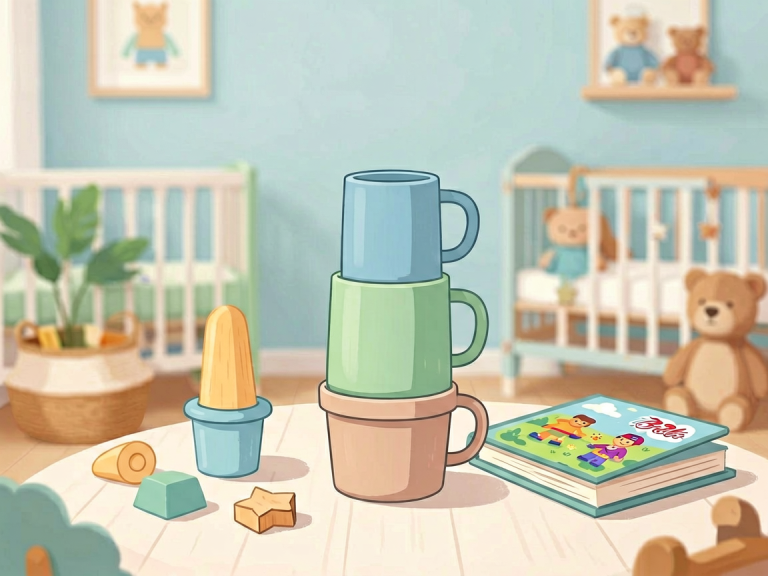
Two-year-olds love to knock things down, but they also enjoy the challenge of building up. Provide a set of lightweight blocks (wooden or soft foam) and show your child how to stack two or three. Don’t expect a tower of ten; success at this age is often just a pair of blocks balanced together. Praise the effort, not the height. Nesting cups or stacking rings are equally valuable. These toys require the child to pay attention to size order and to coordinate the hand movement to place one piece inside or over another. Pouring is another excellent activity that builds hand control and bilateral coordination (using both hands together). Set up a low tray with a small, unbreakable pitcher or cup filled with dry rice, sand, or water (with careful supervision). Give your child an empty cup and let them practice pouring from one to the other. Expect spills—the tray contains the mess, and the sensory feedback of the material is part of the learning. For water play, do it in the bathtub or during a warm-weather outdoor session to make cleanup easy.
Finger Isolation and Strength: Squeezing, Poking, and Rolling
Activities that target individual finger movements help prepare little hands for later tasks such as holding a pencil correctly. Play-Doh or homemade salt dough is a fantastic medium. Show your child how to roll it into a snake, pinch off small pieces, or poke holes with a finger. You can also add small beads, buttons (large and smooth, with close supervision), or pasta to press into the dough. This provides resistance that strengthens the intrinsic hand muscles. Another simple idea is “poking” activities: take an empty egg carton or a foam board, and show your child how to push craft sticks, pipe cleaners, or even dry spaghetti into the holes. The vertical resistance works on wrist stability and finger strength. Squeezing activities are also great—squeeze a sponge at bath time, or give your child a small spray bottle filled with water to squirt at a target (like a towel on the ground). The repetitive squeeze-and-release motion develops hand endurance.
Bilateral Coordination: Both Hands Working Together
Many two-year-olds are just learning to use both hands in a coordinated way. Simple tasks like tearing paper—provide old magazines or colored tissue paper—allow them to grip with both hands and pull in opposite directions. This not only builds strength but also teaches the concept of using one hand as a stabilizer while the other moves. Another classic activity is stringing large beads or pasta tubes onto a shoelace or a piece of yarn with a taped end (like a DIY “needle”). Hold the lace steady while the child pushes the bead onto it. This requires simultaneous use of both hands and visual focus. Art projects that involve both hands, such as painting with a brush in one hand while holding the paper with the other, also promote bilateral integration. Even simple clapping games or finger plays like “Itsy Bitsy Spider” are valuable because they combine movement, rhythm, and coordination.
Sensory Play with Fine Motor Elements
Sensory bins are a treasure trove for fine motor development. Fill a low plastic bin with dry rice, lentils, or oats, and add scoops, small cups, plastic tweezers, and hidden treasures like small toy animals or large pompoms. The child will naturally use their fingers to sift, pick, and dig. The tactile feedback enhances body awareness and encourages sustained focus. For a more challenging version, add a few ice cubes to a bin of warm water—the slipperiness forces the child to use a stronger grip. Alternatively, make a “shaving cream” sensory tray (non-toxic shaving foam) and let your child draw shapes or letters with their fingers. The cream provides resistance, and the act of smoothing and swirling strengthens finger muscles. Always supervise sensory play to prevent ingestion and ensure safety.
Practical Life Activities: Real Skills for Real Hands
Two-year-olds are surprisingly eager to participate in everyday tasks. Capitalize on this by offering child-safe versions of real activities. Let them help set the table by placing spoons in a holder—this requires a controlled pincer grasp. Allow them to wipe a low table with a damp sponge; the squeezing and wiping motion is fantastic for hand strength. Provide a small pitcher for them to pour their own drink (water only, and accept that some will end up on the floor). Assist with dressing by inviting them to push arms through sleeves or pull up a zipper (start with a large, easy-to-grip zipper pull). Even opening and closing containers, like a plastic jar with a screw lid, is a complex fine motor task that builds hand rotation and pressure control. The key is to offer these opportunities without pressure; let the child take the lead and provide assistance only when needed.
Safety Considerations and Tips for Success
While these activities are generally safe, supervision is non-negotiable for any activity involving small objects that could pose a choking hazard. Avoid items smaller than 1.25 inches in diameter, and stay close when using materials like beads, raisins, or coins. Also, be mindful of the child’s frustration level. A two-year-old has a short attention span—five to ten minutes of focused play is a success. If an activity becomes too difficult, simplify it: for example, instead of asking them to stack blocks, just let them hold and explore the blocks. The goal is not to achieve a perfect tower but to enjoy the process of using their hands. Keep activities fun and playful; if you are stressed, your child will mirror that. Finally, remember that every child develops at their own pace. Some two-year-olds will eagerly string beads; others will only want to dump them out. Both are valuable learning moments. Celebrate the small victories—a successful pinch, a steady pour—and know that each repetition is wiring the brain for future success.
Conclusion
Fine motor activities for two-year-olds are much more than quiet-time entertainment. They are the building blocks of independence, creativity, and cognitive growth. By offering simple, purposeful play—from picking up cereal to squeezing a sponge—you give your child the opportunity to strengthen the small muscles that will one day hold a pencil, button a coat, and type a message. The activities outlined here are easy to set up, require minimal materials, and respect the natural curiosity of a toddler. Remember that the process matters far more than the product. A child who joyfully pokes holes in play dough or carefully pours rice from one cup to another is already mastering crucial skills. As you guide your two-year-old through these hands-on experiences, you are not only fostering fine motor development but also showing them that their hands are capable, their efforts are valued, and their world is full of wonderful things to touch, manipulate, and learn from. So gather a few simple supplies, embrace the mess, and watch in wonder as those tiny fingers grow strong, clever, and ready for the next big adventure.