Fine Motor Toys for Kids: Unlocking Development Through Play
In a world increasingly dominated by screens and passive entertainment, the simple act of picking up a small bead, pinching a clump of play dough, or fitting a puzzle piece into its designated slot might seem trivial. Yet for young children, these precise, hand-and-finger movements are far from insignificant. They are building blocks for independence, creativity, and academic readiness. Fine motor toys—specially designed playthings that challenge and refine the small muscles in the hands, fingers, and wrists—are not just entertaining; they are essential tools for early childhood development. This article explores what fine motor skills are, why they matter, the best types of toys to cultivate them, and how parents and educators can make the most of these playful learning opportunities.
What Are Fine Motor Skills and Why Do They Matter?
Fine motor skills refer to the coordinated use of small muscle groups, particularly those in the hands and fingers, to perform precise movements. These skills include grasping, pinching, twisting, cutting, stacking, and manipulating objects. Unlike gross motor skills, which involve larger muscle groups for activities like running or jumping, fine motor abilities are intricate and require significant neural control and practice.
The importance of these skills cannot be overstated. They lay the foundation for everyday tasks: dressing (buttoning, zipping), feeding (using utensils), writing, drawing, using scissors, typing on a keyboard, and even brushing teeth. In an academic context, children with well-developed fine motor skills often transition more smoothly into handwriting and art projects. Moreover, these abilities are linked to cognitive development, as the act of manipulating objects stimulates brain areas associated with problem-solving, concentration, and spatial awareness. Delays in fine motor skill development can frustrate a child and hinder their self-esteem, making early intervention through engaging toys an invaluable strategy.
Classic Fine Motor Toys That Never Go Out of Style
Many fine motor toys have stood the test of time for good reason: they work. Here are some of the most effective categories, each targeting different aspects of dexterity and coordination.
Building Blocks and Interlocking Sets
From simple wooden cubes to LEGO Duplo bricks, building toys require children to pick up, align, and press pieces together. The act of stacking blocks strengthens the palmar grasp and promotes bilateral coordination—using both hands simultaneously for a task. More advanced sets, such as magnetic tiles or connecting rods, demand careful alignment and finger pressure, refining precision. As children progress from random stacking to building specific structures, they also practice planning, spatial reasoning, and perseverance.
Beads, Lacing, and Threading Activities
Threading beads onto a string might look simple, but it is a powerhouse exercise. The child must hold a small bead with one hand while guiding a string or lace through a tiny hole with the other. This task improves pincer grip (the thumb and forefinger grasping), hand-eye coordination, and patience. Variations include lacing cards (cards with pre-punched holes and a lace to weave through) and “sewing” toys using large plastic needles. These activities are excellent precursors to writing and sewing.
Play Dough and Molding Clays
Play dough is a sensory wonder that simultaneously builds hand strength. Squeezing, rolling, pinching, flattening, and cutting the dough works the intrinsic hand muscles. Children can create snakes, balls, or impression prints using tools like plastic knives, rolling pins, and cookie cutters. The resistance of the dough provides subtle weight-bearing exercise for the fingers, which helps later with pencil grip. For older toddlers, modeling clay (which is stiffer) offers a greater challenge and encourages the development of finger isolation.
Puzzles with Knobs, Pegs, and Jigsaw Pieces
Puzzles are brilliant for problem-solving and fine motor growth. Beginners’ puzzles featuring large, knobbed pieces allow tiny fingers to grasp and lift. As children progress to standard jigsaw puzzles, they learn to turn, orient, and press pieces into place. The fine motor demand here involves precise placement and the manipulation of small tabs and curves. Pegboards with colored pegs also fall into this category, requiring the child to insert pegs into holes—a classic test of hand-eye coordination.
Scissors and Cutting Toys
Cutting with child-safe scissors is a milestone in fine motor development. It requires opening and closing the hand in a coordinated motion while simultaneously guiding the paper and scissors together. Starting with play dough snakes or strips of cardstock, then moving to straight lines, curves, and zigzags, children build hand strength, bilateral coordination (holding the paper with one hand and cutting with the other), and visual motor integration. Specialty scissors—spring-loaded or with self-opening action—can help beginners master the motion more easily.
Choosing the Right Toy for the Right Age
Selecting fine motor toys that match a child’s developmental stage is crucial to promote engagement without causing frustration. For infants (6–12 months), look for toys that encourage reaching, grasping, and shaking: soft blocks, rattles, and textured balls. The goal is to stimulate the palmar grasp and basic hand movement.
Toddlers (1–3 years) enjoy toys that involve stacking rings, large pegboards, shape sorters, and chunky crayons. At this stage, they are perfecting the pincer grasp and beginning to imitate adult actions (e.g., stirring or scribbling). Avoid toys with tiny parts that pose a choking hazard.
Preschoolers (3–5 years) are ready for more challenging activities: small linking blocks (like LEGO), bead stringing, safety scissors, play dough with tools, and simple lacing cards. They can also start using tweezers or tongs to transfer pom-poms—a fun game that builds fatigue-resistant hand muscles.
School-age children (5+ years) can handle intricate construction sets (like K’Nex or metal construction kits), origami, embroidery, and more advanced puzzles. They often enjoy tools like hole punches, staplers, and sewing kits under supervision. The focus shifts from basic manipulation to speed, precision, and endurance.
How Parents and Educators Can Enhance the Experience
Having the right toys is only half the equation. The context in which a child plays significantly impacts skill acquisition. First, provide a distraction-free space where the child can concentrate. Short, frequent sessions (10–15 minutes for younger children) are more effective than long, forced practice. Praise effort rather than outcome—celebrate the child’s persistence when a bead falls off the string, and encourage them to try again.
Model the activity yourself initially, then let the child take the lead. For example, show how to thread a bead slowly, then hand the materials over. Avoid taking over to “fix” the work; allowing imperfect results builds resilience. Additionally, integrate fine motor practice into daily routines: let your child help zip their own jacket, pour water from a small pitcher, or peel a banana. Real-world application solidifies the skills learned through play.
Rotation of toys is another effective strategy. Keep out only a few fine motor toys at a time to prevent overwhelm and maintain novelty. Every week or two, swap in new options. Finally, remember that every child develops at their own pace. Some may take longer to master a pincer grip or handle scissors. Patience and a playful attitude will keep the experience positive.
Beyond Dexterity: Cognitive and Social Benefits
Fine motor toys are not merely about hand strength; they nurture a host of interrelated abilities. Concentration and focus are tested as a child works to align a piece or complete a threading pattern—skills that transfer directly to classroom learning. Problem-solving emerges when a block tower keeps falling or a puzzle piece doesn’t fit; the child must analyze, adjust, and try again. This iterative process builds critical thinking.
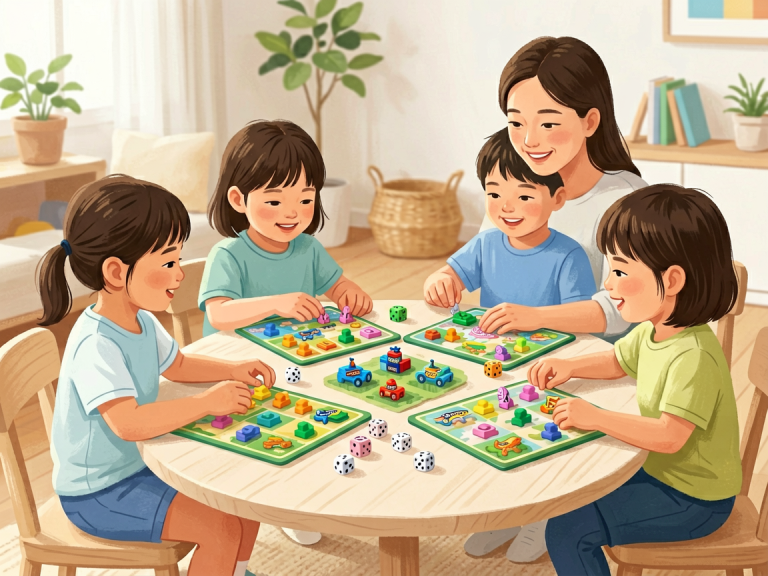
Furthermore, many fine motor toys lend themselves to social play. Sharing beads, taking turns on a pegboard, or collaborating on a large building project teaches communication, negotiation, and empathy. Some children find calm in repetitive fine motor activities (e.g., sorting small objects or rolling play dough), which can serve as a soothing tool for emotional regulation. Thus, these toys contribute to the whole child—physically, cognitively, and emotionally.
Conclusion: Invest in Small Movements, Reap Big Rewards
Fine motor toys for kids may appear unassuming, but they are powerful catalysts for growth. By engaging the hands, these toys stimulate the brain, build confidence, and prepare children for a lifetime of skills—from writing their name to tying their shoes to creating art. Whether it is a classic set of building blocks, a tub of play dough, or a simple lacing card, every moment spent manipulating, pinching, and grasping is a step toward independence and mastery. Parents and educators can embrace these playful tools, choosing age-appropriate options and creating a supportive environment where children can explore at their own pace. In the end, the most profound learning often happens when little hands are busiest. So offer a child a handful of beads, a pair of safe scissors, or a tray of clay, and watch the magic unfold—one tiny movement at a time.