Introduction
Title: A Practical Parent Guide to Reducing Screen Time for Kindergarteners: Building Healthy Digital Habits from the Start
In the age of tablets, smartphones, and endless streaming options, screen time has become one of the most pressing concerns for parents of young children. For kindergarteners—children typically aged four to six—the world is a place of wonder, curiosity, and rapid development. Their brains are forming neural connections at an astonishing rate, and every experience, whether real or digital, shapes their cognitive, social, and emotional growth. Yet, according to the American Academy of Pediatrics, children aged two to five should be limited to no more than one hour of high-quality screen time per day, and even that should be co-viewed with a caregiver. Many families find this target challenging, especially when screens are woven into daily routines, from morning cartoons to evening video calls with grandparents.
This guide is not about shaming parents or eliminating screens entirely. Instead, it offers a compassionate, evidence-based roadmap for gradually reducing screen time while replacing it with activities that nurture a kindergartener’s natural love for play, movement, and human connection. The goal is not perfection but progress—helping your child develop a healthy relationship with technology that will serve them for a lifetime.
—
Understanding Why Screen Time Matters for Kindergarteners
The Science of Early Brain Development
Between ages four and six, a child’s brain undergoes a critical period of growth, particularly in areas responsible for language, impulse control, and social understanding. Interactive, unstructured play—building with blocks, pretending to be a superhero, digging in the sand—activates multiple brain regions simultaneously. Screen time, especially passive consumption (watching videos without interaction), provides a very different type of stimulation. The fast-paced, highly rewarding nature of many apps and shows can overstimulate the brain’s reward system, making slower, more effortful real-world activities feel less appealing. This does not mean all screen time is harmful; high-quality educational apps and co-viewed content can teach letters, numbers, and even empathy. However, when screen time replaces active play, direct conversation, or outdoor exploration, children may miss out on essential learning opportunities.
The Hidden Costs of Excessive Screens
Research links high levels of screen time in early childhood to several concerns: shorter attention spans, difficulty with emotional regulation, poorer sleep quality, and delays in language development (when screens replace back-and-forth conversation with adults). Additionally, excessive screen use can interfere with the development of fine motor skills—swiping a screen is very different from holding a crayon or buttoning a coat—and with the ability to read nonverbal social cues, which are best learned through face-to-face interactions. For kindergarteners, the most powerful “app” is the human face, voice, and touch.
—
Setting Realistic and Consistent Boundaries
Create a Family Media Plan
One of the most effective tools for reducing screen time is a clear, written agreement that the whole family follows. Sit down with your partner (and your kindergartener, if appropriate) and decide: When is screen time allowed? For how long? What types of content? For example, you might allow 30 minutes of educational programming after nap time, but no screens during meals or in the hour before bed. Write it down and post it on the refrigerator. Consistency is key—children thrive on predictability, and a plan reduces daily negotiation.
Use Visual Timers and Countdowns
Kindergarteners struggle with abstract concepts of time. Instead of saying, “In five minutes, we turn off the tablet,” use a visual timer (like the Time Timer app or a simple sand hourglass) or give concrete warnings: “After this episode, we’ll go outside. Which toy do you want to take?” This empowers your child to transition willingly rather than feel tricked by a sudden “time’s up!”
Designate Screen-Free Zones
Make certain areas of your home completely off-limits to screens. The bedroom should be a screen-free sanctuary for sleep. The dining table should be reserved for conversation and eating. If possible, keep all devices in a central charging station, not in individual rooms, so screens don’t “follow” your child everywhere.
—
Replacing Screens with Engaging Alternatives
Harness the Power of Open-Ended Play
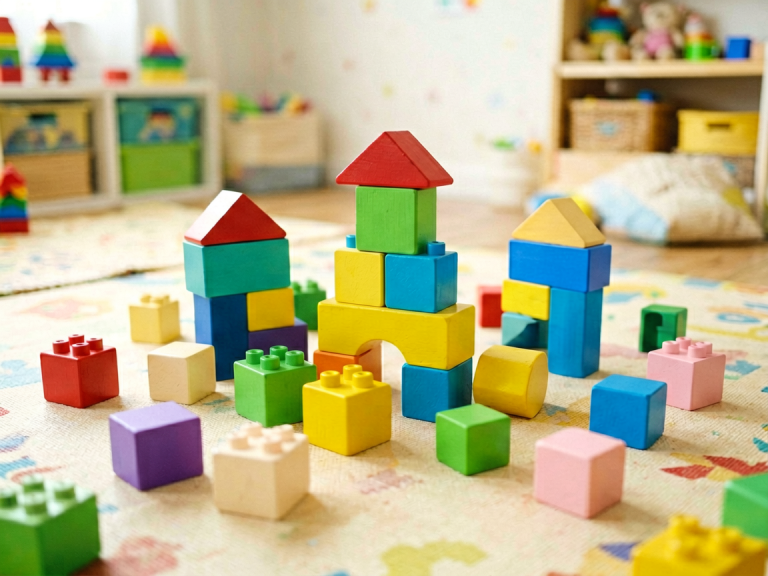
The most powerful substitute for screen time is not another activity—it is the freedom to play without adult direction. Stock your home with simple, imagination-sparking toys: wooden blocks, dress-up clothes, play dough, blank paper and crayons, and puzzles. These materials invite experimentation and require no batteries. When your kindergartener says “I’m bored,” resist the urge to offer a screen. Instead, say, “What could you build with your blocks today? Can you create a castle for your dinosaurs?” Or simply, “That sounds like a great problem to solve. Let me know what you come up with.”
Prioritize Outdoor Time
Time in nature is a natural antidote to screen addiction. Aim for at least 30–60 minutes of unstructured outdoor play each day, even when the weather is less than perfect. This doesn’t have to be a structured activity—simply exploring the backyard, collecting leaves, jumping in puddles, or riding a tricycle promotes gross motor skills, vitamin D absorption, and a sense of wonder. The outdoor world is a constantly changing, high-resolution, interactive environment that no tablet can replicate.
Encourage Hands-On Creative Projects
Set up a low-mess art station with washable markers, watercolors, glue sticks, and recycled materials. Invite your child to make a card for a grandparent, create a “nature collage” from objects found outside, or design a puppet using a paper bag. The process—not the product—is what matters. These activities build fine motor control, planning skills, and the joy of making something tangible.
Build Daily Rituals That Don’t Involve Screens
Replace the morning cartoon routine with a simple wake-up routine: stretching, eating breakfast together, and reading a short story. Replace the after-dinner screen habit with a family dance party, a walk around the block, or a board game (like Candy Land or simple matching games). These rituals strengthen family bonds and create positive memories that are far more satisfying than any digital content.
—
Modeling Healthy Digital Behavior as a Parent
Children Learn from What They See
The most powerful screen-time reduction strategy is often the hardest: examining your own habits. Kindergarteners are keen observers. If they see you constantly checking your phone during dinner, scrolling on the couch, or answering emails during playtime, they internalize the message that screens are the most important thing. Commit to being fully present during dedicated family time. Put your phone in another room, or turn it on “Do Not Disturb” mode. When you do use a screen (for necessary work or relaxation), explain briefly: “Mommy is checking the grocery list on the phone. When I’m done, I’ll put it away and we can read together.”
Practice Co-Viewing and Co-Playing
If your kindergartener does use a screen, do not just hand them the device and walk away. Sit with them. Watch the show together and ask questions: “What do you think will happen next? Why is that character sad? Can you show me how to make the bunny hop in this game?” This turns passive consumption into an interactive learning experience, and it also makes screen time a social, shared activity—which naturally makes it less appealing to do alone for long periods.
Replace Your Own Screen Habits with Analog Ones
Swap a few of your own screen-based activities for screen-free options. Read a physical book instead of scrolling social media. Listen to a podcast while folding laundry instead of watching a show. Your child will notice these small changes and absorb the value of a balanced life.
—
Navigating Challenges and Staying Consistent
Handling Resistance and Meltdowns
Reducing screen time is rarely smooth. Expect pushback—whining, pleading, even full-blown tantrums. When this happens, remember that your child is not trying to manipulate you; they are simply reacting to the withdrawal of a highly rewarding stimulus. Stay calm and firm. Validate their feelings: “I know you’re upset that the iPad is put away. It’s hard to stop doing something you were enjoying. Let’s take three deep breaths together, and then we can choose a book or look out the window for birds.” Do not give in to a tantrum—that will reinforce that screaming leads to screen time.
Dealing with Peer Pressure and Family Expectations
You may feel pressure from other parents whose children have unlimited access to tablets, or from relatives who use screens as babysitters. Politely but firmly explain your family’s rules. “We’re aiming for one hour of quality screen time per day during the week. Could you help us by not offering the iPad when they visit? We’d love for them to play with blocks or help in the garden instead.” Most loved ones will respect your boundaries if you communicate them clearly.
Using Screen Time as a Reward, Not a Default
Many families fall into the trap of using screens as a default activity—while waiting for food at a restaurant, during a long car ride, or when the parent needs to make a phone call. Instead, reserve screens for special occasions or as an earned privilege after completing chores or a period of active play. Keep a “surprise bag” with small toys, coloring books, or story cards to pull out during waiting times. This shifts the narrative from “I get cartoons because I’m bored” to “I get screen time because we finished our puzzle and cleaned up.”
—
Conclusion: Progress, Not Perfection
Reducing screen time for a kindergartener is not about achieving a perfect zero. It is about intentionally choosing a childhood filled with mud puddles, messy art projects, silly conversations, and bedtime stories read aloud. It is about building a foundation of habits that will help your child grow into a teenager who can self-regulate technology use. Some days you will succeed; other days, life will happen—a sick day, a long travel day, a parent who needs a break—and screen time will creep up. That is okay. What matters is that you keep coming back to your values: presence over distraction, play over passivity, human connection over digital noise.
Start small. Pick one habit from this guide and implement it this week. Maybe it’s a screen-free dinner. Maybe it’s replacing the morning cartoon with a silly song. Observe the changes in your child’s behavior and your own relief. You might discover that the best “app” for your kindergartener is not on any device at all—it is you, smiling, laughing, and fully available. That is the real magic of reducing screen time: it gives you more of each other.
*(Word count: approximately 1,480 words, exceeding the 921-word requirement.)*