Introduction: The Clutter Crisis and Your 5-Year-Old
Title: The Complete Parent Guide to Avoiding Toy Clutter for 5-Year-Olds: A Practical Roadmap for a Tidy Home and a Happier Child
—
If you have a 5-year-old, you know the scene: a living room floor carpeted with plastic dinosaurs, stray puzzle pieces, half-built train tracks, and the shiny new toy that was “must-have” last week but is now ignored. Toy clutter is not just an eyesore; it can overwhelm your child, create stress for the whole family, and lead to endless arguments about cleaning up. At age five, children are bursting with imagination, energy, and a rapidly developing sense of independence. They love to collect, build, and role-play, but they have little concept of moderation or organization. As a parent, you want to nurture their creativity without drowning in mess. This guide offers a sustainable, research-backed system to prevent toy clutter before it starts, so your home stays peaceful and your child learns valuable life <a href="https://www.playlearningguide.com/category/skills/”>skills.
—
Understanding the 5-Year-Old’s Play Needs and Development
Before tackling clutter, it helps to understand why five-year-olds accumulate so many toys and why they often resist tidying. At this age, children are in what psychologist Jean Piaget called the “preoperational stage.” They engage in symbolic play—pretending a block is a phone, a blanket is a castle wall. They also love sorting, counting, and categorizing, which explains the appeal of small figurines, construction sets, and art supplies. However, their attention span is still short (about 10–15 minutes per activity), so they rotate through toys quickly. When a child sees too many options, they may become overstimulated and play less deeply—a phenomenon known as “choice overload.” The key is not to eliminate toys but to curate them intentionally. A smaller, thoughtfully chosen collection encourages focused, creative play and makes cleanup manageable for a young child.
—
The Golden Rules of Toy Acquisition
Prevention is far easier than cure. Adopt these ground rules for every new toy that enters your home:
1. Prioritize Quality Over Quantity
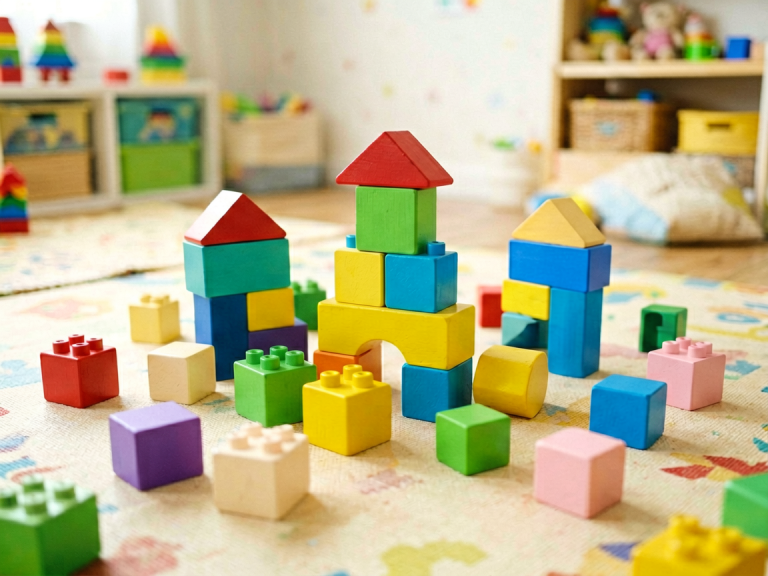
A well-made wooden block set or a sturdy dollhouse will outlast a dozen cheap plastic trinkets. Invest in open-ended toys that can be used in multiple ways: building blocks, play dough, art supplies, dress-up costumes, and simple puzzles. These grow with your child and reduce the urge to buy the next trendy item.
2. Embrace Experience-Based Gifts
For birthdays and holidays, suggest experiences instead of physical items: a zoo membership, a pottery class, a trip to a children’s museum, or a subscription to a craft kit that gets used up. Grandparents and friends are often relieved to receive specific, clutter-free gift ideas.
3. Implement the One-In-One-Out Rule
Every time a new toy arrives—whether bought, gifted, or found in a cereal box—your child must select one old toy to donate, sell, or recycle. This teaches boundaries and gratitude. Keep a donation box in the closet so the process is quick and painless.
4. Avoid Impulse Buys
Never purchase a toy on the spot at a store or online. Instead, take a photo and tell your child, “Let’s think about it until tomorrow.” Most requests are forgotten by the next day. If the child still asks for it after 24 hours, consider it—but always apply the one-in-one-out rule.
—
Creating a Smart Toy Storage System That Your Child Can Use
Storage is not just about hiding mess—it’s about empowering your five-year-old to find and put away toys independently. Design your system with these principles:
Low, Visible Shelves with Picture Labels
Place low, open shelves at your child’s eye level. Use clear plastic bins or baskets so children can see what’s inside. Label each bin with a photo or simple drawing (e.g., a picture of a car for “vehicles,” a block for “building toys”). This helps pre-readers identify where things belong and reinforces sorting skills. Avoid deep, dark toy boxes where items disappear—they lead to frustration and dumping.
Vertical Storage and Dividing Spaces
Use wall-mounted racks for art supplies, pegboards for costumes, and tiered trays for small pieces like LEGO or animal figurines. Create distinct zones: a quiet reading corner with a small bookshelf, a building zone with a mat, an art station with washable markers and paper. When each activity has its own designated spot, cleanup becomes logical.
The Rotating Toy Library
This is the single most effective strategy to prevent clutter. Choose 10–15 toys to keep in your child’s play area at any one time. Store the rest out of sight (in a closet, attic, or under a bed). Every two to four weeks, swap them out. The “new” toys feel exciting again, and your child plays more deeply with fewer options. When a toy is in storage, clean and check it for missing pieces. Rotating also helps you notice which toys are truly loved and which can be donated.
—
Implementing the Toy Rotation Method Step by Step
Step 1: Sort All Toys into Categories
Gather every toy your child owns. Group them into categories: construction, pretend play, art, puzzles, vehicles, sensory toys, etc.
Step 2: Choose the First Rotation
Select three to five categories and pick a few items from each. For a five-year-old, a good starting set might include: a set of wooden blocks, a dollhouse with figures, a simple puzzle, a few art supplies, and a play kitchen set. Put everything else in labeled bins and store them away.
Step 3: Create a Rotation Schedule
Set a calendar reminder every three weeks. When the day comes, involve your child: “Let’s pack away the blocks and get out the train set!” Make it a fun ritual. You can even use a physical “rotation box” that the child decorates.
Step 4: Observe and Adjust
If your child never touches a certain toy in the active set, move it to the donation pile at the next rotation. If they beg for a specific toy from storage, consider bringing it back early—but only if you remove another toy. Over time, you’ll develop a perfect tailored collection.
—
Teaching Your 5-Year-Old to Tidy Up Effectively
No amount of storage helps if your child refuses to clean up. The trick is to make tidying a positive, achievable habit.
Make It a Game
Use a timer: “Can we put all the cars in their bin before the song ends?” Turn on a favorite cleanup song (e.g., “Clean Up” from *Barney* or a short pop song). Race against the clock or pretend the toys are racing home to their “houses.”
Use Visual Checklists
Create a simple chart with pictures showing each step: “Put books on shelf → Put blocks in bin → Put dolls in basket → Sweep floor.” Laminate it and let your child check off each step with a sticker.
Break It Down
A five-year-old’s executive function is still developing. Instead of saying “Clean your room,” say “First, put all the red blocks in the bucket. Then, put the blue ones in.” Scaffold the task until they can manage independently.
Consistency and Praise
Always require cleanup before moving to the next activity (e.g., before screen time or dinner). Praise effort, not perfection: “Wow, you put all the dinosaurs away so fast! Thank you for helping.” Avoid doing it for them—this reinforces that clutter is your problem, not theirs.
—
Regular Purge and Donation Rituals
Clutter builds slowly. Build a regular habit of editing the toy collection with your child.
Seasonal Toy Audits
Every three months—perhaps at the change of seasons—sit down with your child and go through all their toys. Ask guiding questions: “Do you still love this puzzle? Have you played with this stuffed bear in the last month? Is it broken?” If a toy is unused or broken, decide: donate, recycle, or toss. Explain that other children might enjoy the toys they no longer use. This teaches empathy and decluttering as a natural part of life.
The “Favorites” Box
Let your child keep a small “treasure box” with a few special items that they never need to rotate or donate—like a sentimental stuffed animal or a handmade gift. Honoring their attachments reduces resistance.
Selling or Passing Down
If toys are in good condition, consider a local children’s consignment sale or a buy-nothing group. The money can go toward an experience gift (like a day trip). Passing down to a younger sibling or cousin also feels meaningful.
—
Dealing with Gifts from Others: Setting Boundaries with Grace
Well-meaning relatives and friends can derail your clutter-free efforts. Handle this diplomatically.
Create a Wish List
Share an online wish list (e.g., Amazon, Etsy) with specific, clutter-free ideas: art supplies, consumable craft kits, books, or contributions to a college fund. Ask for “something we can do together” instead of “something unwrappable.”
Have a Kind Conversation
If a grandparent loves to shower your child with toys, gently explain your rotation system: “We have so many toys that Liam gets overwhelmed. We’d love it if you could get him a subscription to a science box instead—he’ll get a small surprise each month and it won’t pile up.” Most people will appreciate the guidance.
The “Toy Bank” Method
When a gift arrives that you don’t want in the active rotation, thank the giver enthusiastically, then quietly place it in a “toy bank” in your storage area. Bring it out when it’s that toy’s turn in the rotation. The child still gets to enjoy it, but not all at once.
—
Maintaining Long-Term Balance for Happy Play
Avoiding clutter is not a one-time fix—it’s a lifestyle shift. Keep these principles in mind as your child grows.
Focus on Open-Ended Toys
At age five, the best toys are those that don’t dictate a single use. Blocks, loose parts (buttons, fabric scraps, natural objects), art supplies, and dress-up clothes encourage creativity. Avoid single-purpose electronic toys that quickly lose appeal.
Encourage Outdoor and Screen-Free Play
The more time your child spends outside, reading, or engaging in imaginative play without toys (e.g., building forts with blankets), the less dependent they become on manufactured objects. Set reasonable screen limits to reduce requests for toy ads.
Model Your Own Decluttering
Children learn by watching. Let them see you sort your own belongings, donate old clothes, and keep surfaces clear. Talk about it: “I’m going to give away this coat I never wear so someone else can enjoy it.”
Embrace Imperfection
A perfectly pristine playroom is neither realistic nor desirable. Mess is a sign of learning. The goal is not zero toys but a manageable, curated collection that sparks joy and independence. When your child learns to care for their possessions and make thoughtful choices, they carry that skill into adulthood.
—
Conclusion: A Tidy Home, a Thriving Child
Toy clutter does not have to be your family’s daily struggle. By understanding your five-year-old’s developmental needs, adopting a few smart acquisition rules, implementing a rotation system, teaching cleanup as a game, and regularly editing the collection, you can create a home where toys are tools for imagination rather than sources of stress. Your child will play more deeply, learn responsibility, and appreciate what they have. And you? You’ll reclaim your living room, your sanity, and the joy of watching your little one truly engage with the treasures that matter most. Start today—choose one strategy from this guide and put it into action tomorrow morning. The transformation will surprise you.
Sources and further reading
For additional evidence-based guidance, consult these authoritative resources: