The Ultimate Parent Guide to Avoid Toy Clutter for 6-Year-Olds
Introduction
Every parent knows the scene: you walk into your child’s room and feel a wave of overwhelm as toys spill out of baskets, pile under the bed, and scatter across the floor. The six-year-old is at a unique developmental stage — curious, imaginative, and increasingly independent — but also prone to accumulating more toys than they can reasonably manage. The result? Toy clutter that frustrates parents, overwhelms children, and turns playtime into chaos.
This guide is designed to help you, the parent, take a proactive, compassionate, and practical approach to keeping toy clutter under control — without turning into a drill sergeant or denying your child the joy of play. For six-year-olds, the key lies not in strict bans, but in smart systems, clear expectations, and a mindset shift from “more is better” to “meaningful is best.” By the end of this article, you will have a toolkit of strategies that respect your child’s need for exploration while maintaining a tidy, functional home.
Understanding the Six-Year-Old Mind
To tackle clutter effectively, we must first understand why six-year-olds create it. At this age, children experience rapid cognitive and social growth. They love pretend play, building, crafting, and collecting. Their attention spans are longer than a toddler’s, but still short enough that they flit between activities. A toy that was fascinating in the morning might be abandoned by noon.
Moreover, six-year-olds are highly influenced by peers, media, and school. They see a friend’s new action figure or a commercial for a glittery craft set, and they *must* have it. Parents often give in, either out of love, guilt, or sheer exhaustion. The result: a pile of toys that never get played with, because there are simply too many choices.
Psychologists call this “choice overload.” When a child faces a mountain of toys, they cannot decide what to play with. Instead of engaging deeply, they flit from one item to another, leaving trails of mess. The clutter, in turn, creates stress for parents, which leads to nagging, which leads to power struggles. Breaking this cycle requires a shift in strategy — not just organizing the toys, but managing the flow of toys into the home.
Core Principles of Toy Management
Before diving into specific tactics, let’s establish three guiding principles. These will underpin every decision you make about toys.
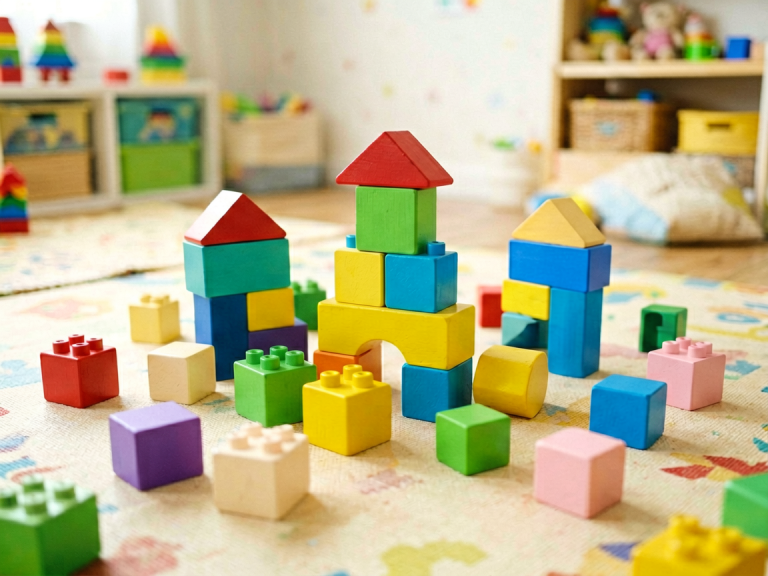
1. Quality over quantity. A handful of well-made, open-ended toys (blocks, art supplies, dress-up clothes) spark more creativity than dozens of cheap, single-purpose plastic gadgets. For a six-year-old, toys that grow with them — like LEGO, magnetic tiles, or board games with varying difficulty — offer long-term value.
2. The power of boundaries. Children actually thrive with limits. When a six-year-old knows that only three small toys can be out at a time, or that the playroom gets “reset” every evening, they develop a sense of order. Boundaries reduce anxiety both for you and for them.
3. Involve the child as a collaborator. At six, children can understand simple reasoning. Instead of sneaking toys out of their room while they’re at school, invite them to be part of the solution. When children feel ownership over the process, they are far more likely to maintain the system.
Practical Strategies to Prevent Toy Clutter
Decluttering Together with Your Child
The most important step is also the hardest: getting rid of toys that are no longer loved. But don’t do it alone. Set aside an hour on a weekend when both you and your child are calm. Use a gentle, positive framing: “Let’s make room for your favorite toys to shine!”
Give your child three boxes labeled: Keep, Donate, and Maybe. The Maybe box is crucial — it acknowledges their hesitation. For each toy, ask: “When was the last time you played with this? Does it still work? Does it make you happy?” For six-year-olds, concrete questions work better than abstract ones.
After decluttering, immediately remove the Donate box from the house. The Maybe box can be stored out of sight for two weeks. If your child doesn’t ask for anything in it, donate it guilt-free. Repeat this process every three months to keep the collection from growing again.
The One-In-One-Out Rule
This simple rule is a game-changer: for every new toy that comes into the house, one must leave. Before a birthday party or holiday, explain it to your child: “We can’t keep adding without making space. So when you get that new dinosaur, we’ll find a toy that you’ve outgrown to give to another child.”
This teaches valuable lessons about value and generosity. It also prevents the accumulation that leads to clutter. Enforce the rule consistently — not just for toys you buy, but for gifts from friends and relatives. If a grandparent sends a huge parcel, your child must choose which existing toys to re-home.
Creating a Toy Rotation System
Rotation is one of the most effective strategies for six-year-olds. Instead of having all toys available all the time, divide them into three or four “sets” stored in opaque bins. Only one set is “active” at a time. Rotate the sets every two to three weeks.
The magic of rotation is threefold:
- Reduced clutter: only a manageable number of toys are out.
- Renewed interest: a toy that seemed boring becomes exciting again after a few weeks away.
- Easier cleanup: your child only has to tidy up the current set.
To implement, sort toys into bins by theme (e.g., construction, pretend play, arts & crafts). Store them in a closet, garage, or under the bed. Let your child help choose which bin to open next — this gives them a sense of control.
Designating Storage Zones
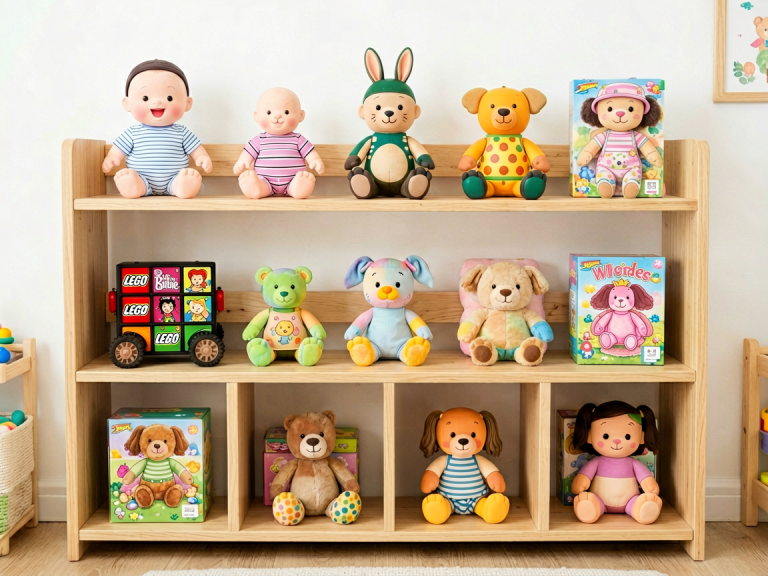
Even with rotation, you need clear, child-friendly storage. At six, children can put toys away if the system is simple and accessible. Avoid giant toy boxes where everything gets dumped. Instead, use open cubbies, low shelves, and labeled bins with pictures or words.
Create zones in the play area: a reading corner with a small bookshelf, a building zone with LEGO on a mat, an arts table with supplies in caddies. When every toy has a “home,” putting away becomes a visual matching game. Teach your child to always return a toy to its home before taking out another.
Encouraging Gifts of Experience
A major source of toy clutter is the flood of gifts from relatives and friends. Birthday parties can double your child’s collection in an afternoon. Politely but proactively communicate with family: “We’re trying to reduce toy clutter this year. If you’d like to give a gift, consider a contribution to a savings account for a special experience, like a visit to the aquarium or a music class.”
For six-year-olds, experiences are often more memorable than objects. A trip to a trampoline park or a cooking class creates lasting joy without adding a single plastic piece to the living room. If relatives insist on a physical gift, suggest consumables: art supplies, craft kits, or tickets to a show.
Maintaining the System Long-Term
No system works if it’s not maintained. The biggest mistake parents make is to organize everything perfectly once, then let it slide. For a six-year-old, routines are everything.
Daily reset: Spend 5 minutes each evening doing a “clean sweep” with your child. Put away any stray toys, return books to shelves, and ensure the active toy bin is tidy. Make it a game — set a timer, put on a song, or offer a small reward after a week of consistent resets.
Weekly check-in: Every Saturday, spend 10 minutes reviewing the play area. Ask your child: “Is anything broken? Is there something you never play with?” This keeps the decluttering mindset alive without a major overhaul.
Seasonal deep clean: Four times a year (aligned with seasons or school breaks), do a full declutter and rotation swap. This is a good time to assess which toys your child has outgrown and which can be passed on.
Celebrate progress. When you and your child successfully maintain a clutter-free space for a month, celebrate with a special outing or a new (mindfully chosen) toy. Positive reinforcement is far more motivating than punishment.
Conclusion
Toy clutter for six-year-olds is not a sign of bad parenting or a spoiled child. It is a natural byproduct of a culture that equates love with stuff, and a developmental stage where children are learning to organize their world. The good news is that with thoughtful systems, clear boundaries, and your child’s partnership, you can transform the playroom from a source of stress into a space of joy and creativity.
Remember: your goal is not to make the room magazine-perfect every second of the day. Children need to make messes, build forts, and spill glitter. The goal is to create a sustainable rhythm where mess is followed by tidying, where toys are loved rather than ignored, and where both you and your six-year-old feel calm and capable. Start small — choose one strategy from this guide, implement it for two weeks, and build from there. Over time, you will not only avoid toy clutter; you will cultivate in your child a lifelong skill of mindful living.
Sources and further reading
For additional evidence-based guidance, consult these authoritative resources: