The Magic of Make-Believe: Pretend Play Activities for 5-Year-Olds
Introduction: Why Pretend Play Matters at Age Five
At five years old, children stand at a remarkable crossroads of development. Their language skills have blossomed, their social awareness is expanding rapidly, and their imaginations are more vivid than ever. Pretend play—also known as dramatic play, imaginative play, or make-believe—is not merely a delightful pastime for this age group; it is a fundamental building block of cognitive, emotional, and social growth. For a five-year-old, pretending to be a doctor, a superhero, or a shopkeeper is far more than simple entertainment. It is how they make sense of the world, practice real-life skills, and experiment with different roles and emotions. In this article, we will explore a rich variety of pretend play activities specifically designed for five-year-olds, each of which nurtures creativity, problem-solving, cooperation, and language development. Whether you are a parent, a teacher, or a caregiver, these ideas will help you harness the power of make-believe to support your child’s holistic development.
The Developmental Benefits of Pretend Play for Five-Year-Olds
Before diving into specific activities, it is essential to understand why pretend play is so critical at this age. At five, children are beginning to understand that others have thoughts and feelings different from their own—a concept called theory of mind. Pretend play naturally fosters this by requiring children to adopt different perspectives and negotiate roles. Additionally, five-year-olds are refining their executive function skills, such as impulse control, working memory, and cognitive flexibility. A pretend scenario that involves planning a tea party, taking turns as the host, and remembering who wants which snack strengthens all these abilities. Furthermore, language development accelerates as children narrate their play, create dialogues, and explain complex scenarios to their playmates. Emotionally, pretend play provides a safe laboratory for exploring fear, joy, anger, and empathy. A child who dresses up as a firefighter, for instance, can confront the scary idea of a fire while feeling powerful and in control. Socially, cooperative pretend play teaches negotiation, compromise, and conflict resolution—skills that will serve children well in school and beyond.
Pretend Play Activities Centered on Real-Life Roles
1. Doctor's Office or Hospital
Five-year-olds are often fascinated by medical tools and the experience of being examined. Setting up a pretend doctor’s office is one of the most beloved activities. Gather a toy medical kit (or craft your own with bandages, empty medicine bottles, a toy stethoscope, and a notepad). Designate a corner of the room as the waiting area with chairs and a few books. The child can take turns being the doctor, the nurse, the patient, or even the receptionist. Encourage them to ask questions like “Where does it hurt?” or “How long have you had this cough?” They can write prescriptions on a piece of paper and “administer” pretend medicine. This activity not only demystifies medical visits—which can be anxiety-provoking for children—but also builds empathy as they practice comforting a stuffed animal or a parent playing the patient. For added complexity, introduce a schedule or a list of patients waiting, which subtly introduces concepts of time and sequencing.
2. Grocery Store or Farmers' Market
Another classic real-life role play is the grocery store. Use empty food containers, plastic fruits and vegetables, a cash register (real or pretend), play money, and a basket or cart. The child can be the cashier, the shopper, or the store manager. Prices can be simple (e.g., $1 for an apple) to reinforce basic math and counting. You can also make coupons or shopping lists to add a literacy component. Take turns being the customer who asks for specific items, or the clerk who must bag the groceries. This activity teaches children about transactions, food categories, and polite social exchanges (saying “please” and “thank you”). It also offers a natural opportunity to talk about healthy food choices. For a farmers' market twist, spread a blanket on the floor, label each “produce stand,” and let the child sell fruits grown in a backyard garden. The sensory experience of handling different textures and shapes adds to the engagement.
3. Restaurant and Kitchen
Cooking and serving food is a universal pretend play theme that never loses its appeal. Set up a play kitchen with pots, pans, plastic plates, and play food. The child can be the chef, the waiter, or the customer. Create a simple menu with pictures and prices. The chef can “cook” a meal, the waiter can take orders on a notepad, and the customers can complain about the soup being too hot or compliment the delicious cake. To extend the activity, have the child set a table with napkins and utensils, practice taking turns, and even write a pretend receipt. This play builds language skills (describing dishes, giving instructions), fine motor skills (stirring, stacking), and social skills (politeness, patience). It also allows exploration of different cuisines; perhaps one day the restaurant is Italian, the next day it’s a taco stand. Parents can join in by being a fussy eater or a generous tipper, adding humor and unpredictability.
Fantasy and Adventure Pretend Play
4. Superhero Training Camp
Five-year-olds love superheroes, and pretending to have superpowers is a wonderful way to channel their energy and build confidence. Create a “training camp” in the living room or backyard. Use pillows and blankets to build an obstacle course that requires crawling, jumping, and balancing. The child can choose a superhero name, a special power (e.g., invisibility, super strength, flying), and a costume made from a cape (a towel) and a mask (a paper plate with holes). Design missions like “rescue a stuffed animal from the fortress of pillows” or “run fast to stop the evil villain from stealing the treasure.” This activity promotes gross motor development, problem-solving (how to cross the “lava” floor), and emotional regulation (controlling impulses to complete the mission). It also encourages creative storytelling as the child invents scenarios and villains. To deepen the play, have the child create a “superhero ID card” with their name, power, and motto.
5. Space Explorer or Astronaut
The vastness of space captures the imagination of many five-year-olds. Turn a cardboard box into a rocket ship by covering it with aluminum foil and adding a paper plate control panel with drawn buttons. The child can put on a helmet (a plastic bowl or a space-themed hat) and “blast off” to the moon or Mars. They can explore a crater made of pillows, collect “moon rocks” (small stones or marbles), and communicate with mission control (a parent or sibling on the “radio”). Introduce simple science concepts like gravity (“we float because there’s no gravity!”) or asking what astronauts eat. The child can pack a space lunch—pretend freeze-dried ice cream—and practice using “robotic arms” (spoons) to pick up objects. This activity ignites curiosity about science and exploration while honing narrative skills as the child describes the alien landscape they discover.
6. Pirate Treasure Hunt
Ahoy, matey! A pirate adventure combines storytelling, physical activity, and problem-solving. Create a treasure map on a piece of paper, marking an X where the treasure (a box of play jewelry or chocolate coins) is hidden. Use furniture as islands and couch cushions as the pirate ship. The child can wear a bandana, hold a cardboard telescope, and say “arrr!” as they navigate shark-infested waters (the floor) and dig for treasure. Along the way, they can encounter challenges like a “message in a bottle” with a riddle to solve or a “sea monster” (a parent making silly noises) that they must outsmart. This activity encourages directional vocabulary (left, right, forward), counting steps, and teamwork if multiple children join. It also provides a safe outlet for controlled aggression (pretend sword fights with pool noodles) and a sense of accomplishment when the treasure is found.
Pretend Play with Animals and Nature
7. Animal Hospital or Vet Clinic
For children who love animals, a vet clinic offers endless possibilities. Gather stuffed animals, toy medical tools, bandages, and a clipboard for a checklist. The child can be the veterinarian who examines each patient, gives shots (using a pen without the tip), and prescribes rest. They can also be a pet owner who brings in a sick bunny. This play develops empathy as the child cares for the “animals,” and it can be a gentle way to talk about health and wellness. To extend the activity, create a waiting list with animal names and symptoms (e.g., “Fluffy has a sore paw”). The child can learn simple animal anatomy (ears, tail, nose) and practice gentle handling. For a more elaborate scenario, pretend that an animal is lost, and the child must make posters describing the pet (reinforcing descriptive writing and drawing skills).
8. Zoo or Safari
Transform a room into a jungle or zoo by placing stuffed animals around the room, each with a sign describing the species. The child can be a zookeeper who feeds the animals (using plastic food), cleans their cages (with a dustpan), or a safari guide leading tourists (family members) on a jeep ride. Use chairs arranged in a row as the jeep, and the guide can point out the “lions” (a stuffed lion) and explain what they eat. This activity builds knowledge about animals, habitats, and conservation. It also encourages public speaking and narrative skills as the child gives a tour. For extra fun, the child can make binoculars from toilet paper rolls and a string, adding to the immersive experience.
Pretend Play for Social and Emotional Learning
9. Family and Home Life
Perhaps the most foundational pretend play is simply “playing house.” A five-year-old can take on roles such as a parent, a baby, a pet, or a grandparent. They can cook pretend meals, put dolls to bed, go to work (using a briefcase with paper), or take care of a crying baby. This play allows children to process their own experiences—for example, mimicking how their parents handle conflict or discipline. It also teaches responsibility and nurturing. To enrich the activity, introduce a “phone” so the child can make calls to other family members, or a calendar to plan a “family trip.” This kind of play is particularly valuable for building emotional intelligence, as children act out scenarios like being angry, sad, or happy and learn how to respond.
10. School and Teacher
Many five-year-olds are either in pre-K or kindergarten, and playing school is a natural extension of this experience. Set up a small desk area with a chalkboard or whiteboard, markers, books, and paper. The child can be the teacher, calling the “class” (stuffed animals, dolls, or siblings) to attention, leading a story time, or giving a spelling test. They can assign homework, grade papers with stickers, and ring a bell for recess. This activity reinforces what they are learning in actual school and allows them to feel a sense of authority and competence. It also helps them work through any school-related anxieties by being the one in control. Encourage the child to teach a simple lesson—like colors or numbers—which boosts their own understanding of the material.
How to Facilitate Pretend Play Without Overdirecting
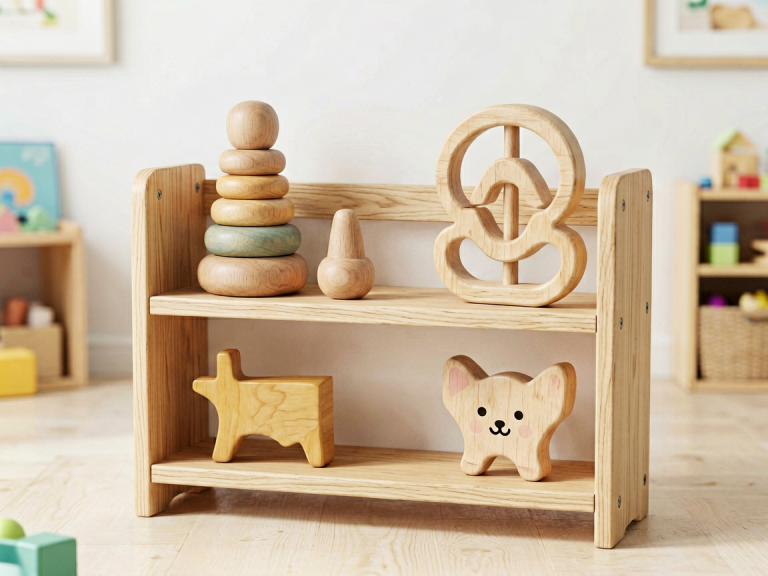
While the activities above provide structure, the heart of pretend play is child-led exploration. As an adult, your role is to be a set-up artist, a supporting actor, and a safe observer. Avoid dominating the play with your own ideas; instead, ask open-ended questions like “What happens next?” or “What does the dragon want?” Provide props that are open-ended—cardboard boxes, scarves, paper tubes, and fabric scraps—so the child can transform them into anything. Create a dedicated play space with low shelves where dress-up clothes, puppets, and toy kitchen items are accessible. Most importantly, allow plenty of uninterrupted time. Deep, sustained pretend play cannot be rushed. When you join in, match your child’s energy and enthusiasm. If they want you to be a patient in the doctor’s office, complain comically about your nonexistent ailment. If they are a superhero, act suitably impressed by their powers. Your involvement validates their world and strengthens your bond.
Conclusion: The Lasting Gift of Make-Believe
Pretend play activities for five-year-olds are far from frivolous. They are the workshops where children build the skills they will carry into formal education and adult life—creativity, collaboration, empathy, negotiation, and self-regulation. A child who spends time pretending to be a shopkeeper, a space explorer, or a caring vet is learning to navigate a complex world with confidence and imagination. As parents, educators, and caregivers, we can provide the spark: a few simple props, a safe environment, and the freedom to imagine. The rest is magic. So clear some space, rummage through the closet for old hats and fabric, and let the adventure begin. The games your five-year-old invents today may well shape the thinker, the dreamer, and the problem-solver they become tomorrow.