Navigating the Digital World: A Parent’s Practical Guide to Reducing Screen Time for 18-Month-Olds
—
Introduction: Why This Guide Matters
At 18 months, a child’s brain is undergoing an extraordinary period of growth—synapses are forming at a rate of over one million per second. Every interaction, every touch, every spoken word lays the foundation for language, social skills, emotional regulation, and cognitive development. Yet in today’s hyper-connected world, screens have become an almost unavoidable presence in the home. From video calls with grandparents to the ever‑tempting “educational” apps, many parents find themselves wondering: *How much screen time is too much? And more importantly, how do I reduce it without a meltdown?*
The American Academy of Pediatrics (AAP) recommends avoiding screen media for children under 18 months (other than video chatting) and, for toddlers 18–24 months, limiting high‑quality programming to no more than one hour per day, with a caregiver present to help them understand what they are seeing. But guidelines are easier written than followed. This guide provides practical, evidence‑based strategies to help you reduce your 18‑month‑old’s screen time while nurturing their development and your own sanity.
—
1. Understanding the “Why”: The Impact of Early Screen Exposure
Before diving into tactics, it is crucial to grasp why reducing screen time matters so much for this specific age.
1.1 Brain Development and Language Acquisition
Babies learn language not by passively watching colourful animations, but through serve‑and‑return interactions—those back‑and‑forth exchanges of coos, babbles, smiles, and words. When a parent responds to a child’s gesture, the child’s brain strengthens neural connections for communication. Screens disrupt this dance: they offer pre‑packaged sounds and images that cannot adjust to the child’s cues. Studies have shown that for every 30 minutes of daily screen time before age two, a child’s risk of expressive language delay increases by nearly 50%.
1.2 Sleep Disruption
The blue light emitted by screens suppresses melatonin, the sleep hormone. An 18‑month‑old who watches even a short video before nap or bedtime may take longer to fall asleep, wake more often, or have shorter total sleep. Sleep is non‑negotiable for toddlers—it consolidates memory, supports growth, and regulates mood.
1.3 Attention and Self‑Regulation
Rapid scene changes, flashing colours, and hyper‑stimulating content can over‑excite an immature nervous system. Over time, heavy screen exposure is linked to shorter attention spans and difficulty with delayed gratification. An 18‑month‑old is naturally curious and impulsive—but screens can train the brain to expect constant novel rewards, making quiet play feel “boring.”
—
2. Setting Realistic Goals: What “Reduction” Looks Like
You do not need to go cold turkey overnight, especially if screens have already become a habit. Aim for progress, not perfection.
2.1 The Zero‑to‑Low Baseline
For 18‑month‑olds, the ideal screen time is zero (except video calls). If that seems impossible, set a firm maximum of 30 minutes per day of high‑quality, slow‑paced content (e.g., “Mr. Rogers’ Neighborhood” or a nature documentary with your commentary). Always watch with your child and narrate what is happening: *“Look, the bird is flying! That’s a big tree.”*
2.2 Track Before You Cut
Spend three days logging exactly when and why screens are used. Common triggers include: morning chaos during breakfast prep, witching hour before dinner, or a desperate moment when the parent needs five minutes to shower. Identifying patterns allows you to replace screens with a specific alternative (see Section 3).
—
3. Practical Strategies to Replace Screens with Connection
The key to reducing screen time is not to *remove* something, but to *offer* something better. Below are concrete, age‑appropriate activities and routines.
3.1 Create a “Yes” Environment
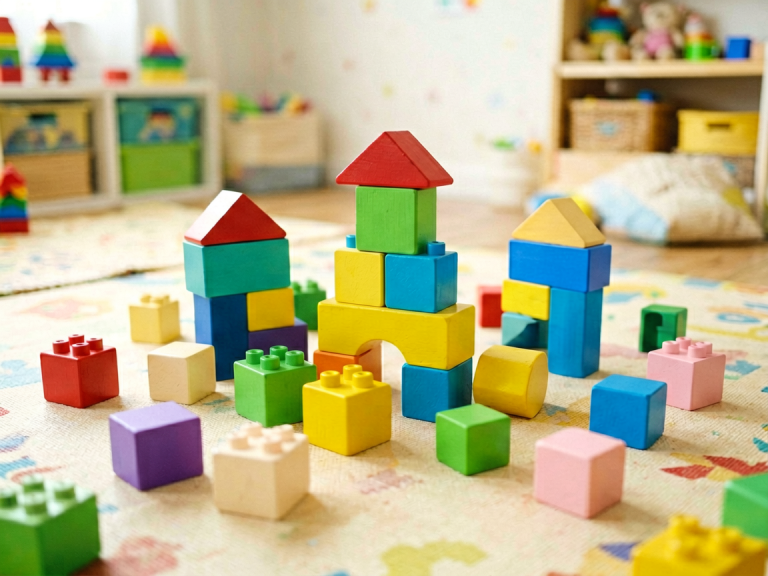
Instead of constantly saying “no” to the tablet, make the home a place where independent, safe exploration is easy. Place a few low shelves with board books, stacking cups, a wooden train, or simple puzzles. Rotate toys weekly to maintain novelty. An 18‑month‑old’s attention span is short—by design—so giving them access to 4–5 interesting objects at a time reduces their desire for digital stimulation.
3.2 Embrace Messy, Sensory Play
Toddlers learn through their senses. Offer:
- A shallow tray of dry rice or oats with scoops and small cups.
- Crayons and large paper (scribbling is a pre‑writing skill).
- A bowl of water with a sponge or floating toys (supervised, of course).
- Play dough (store‑bought or homemade) that they can poke and squeeze.
These activities require adult presence initially, but once a child is engaged, you can gradually sit back and observe. They build fine‑motor skills, cause‑and‑effect understanding, and pure joy—far more rewarding than a tap‑screen game.
3.3 Build Predictable Routines That Don’t Include Screens
Toddlers thrive on predictability. Design a daily rhythm that naturally crowds out screen time:
- Morning: Wake‑up, diaper change, breakfast together (no TV on in the background). Then 15–20 minutes of floor play while you sip coffee nearby.
- Mid‑morning: Go outside. Even 10 minutes in a garden, a balcony, or a walk to the mailbox provides fresh air, different sounds, and visual variety. If weather is bad, a “car trip” in a cardboard box or a living‑room obstacle course works.
- After nap: Offer a sensory activity (see above) or read three board books together. Let your child turn pages—even if they chew the corner.
- Before dinner: This is the toughest window. Try “kitchen helper” mode: give your child a wooden spoon and a plastic bowl to bang while you cook, or a few pieces of safe fruit to “wash” in a colander.
- Bath and bedtime: A warm bath with stacking cups, a gentle massage, and two quiet stories. No screens for at least one hour before sleep.
3.4 Use Screens Intentionally (When You Must)
When you *do* use a screen—for a video call with a grandparent, or a short clip to calm a sick child—make it intentional:
- Narrate what’s happening on the call: “Grandma is waving! Can you wave back?”
- Limit duration: Set a visible timer (e.g., an hourglass timer) and say, “When the sand runs out, the call is done.”
- No background TV. The AAP strongly warns against having a television on in the background, even if the child isn’t watching. Background noise reduces the quality of parent‑child interactions and distracting toddlers from play.
—
4. Handling Resistance: What to Do When Your Toddler Cries for the Tablet
An 18‑month‑old does not have the cognitive ability to reason or negotiate. When you take away a screen, you may witness a meltdown. This is normal, not a sign of failure.
4.1 Validate, Then Redirect
Kneel to your child’s eye level and acknowledge their feeling: “You really wanted to watch the video. It’s hard when we stop.” Then immediately offer an alternative that is physically active or hands‑on. For example, pick them up and spin around, or blow bubbles. The change of sensory input often resets their emotional state within a minute or two.
4.2 Model Screen‑Free Behavior
Children are master imitators. If you are scrolling on your phone while they play, they will naturally desire that device. Designate “phone‑free” times during the day—for instance, the first hour after waking, and the hour before bedtime. Put your phone in another room or in a drawer. Let your child see you reading a paper book, cooking, or tidying up. Your presence—focused, calm, engaged—is the most powerful “app” they need.
4.3 Manage Your Own Anxiety Around “Boredom”
Many parents feel pressure to constantly entertain their toddler. But boredom is a gift. When an 18‑month‑old is briefly bored, they are motivated to invent—a block becomes a phone, a spoon becomes a drumstick. Let unstructured time exist. Sit nearby, but don’t jump in to fill every silence. Watch what they discover. This builds the foundation for creativity and independent play.
—
5. Long‑Term Habits: Setting the Stage for Healthier Digital Use
Reducing screen time at 18 months is not just about today—it’s about building family habits that will serve your child through the preschool years and beyond.
5.1 Create Device‑Free Zones
Designate certain areas of the home as screen‑free: the dining table, the bedroom, and the playroom. Keep chargers and devices out of sight. When screens are not visible, the craving diminishes.
5.2 Involve Extended Family and Caregivers
If grandparents or a nanny care for your child, share your screen‑time goals. Explain that you are not being anti‑technology but are following developmental best practice. Offer alternative ideas—e.g., a walk, a peek‑a‑boo game, or a simple puzzle—so they feel equipped to help.
5.3 Practice Self‑Compassion
There will be days when you need five minutes of quiet and the tablet seems like the only option. That is okay. The goal is not to be perfect, but to be intentional. If you use screens more than you’d like one day, simply start fresh the next morning. Your child does not need a perfect parent; they need a present one.
—
Conclusion: The Gift of Undivided Attention
Reducing screen time for an 18‑month‑old is not about deprivation—it is about offering the richest possible environment for their developing brain. Each time you choose a wooden block over a flashing app, each time you sit on the floor for a game of peek‑a‑boo rather than turning on a video, you are building a neural pathway for connection, language, and emotional safety. The screens will still be there in a year or two. But now? Now is the time for mud pies, for board books with chewed corners, for the sound of your voice singing a silly song. That is the only “programming” a toddler truly needs.