A Parent’s Guide to Avoiding Toy Clutter for Babies: Less Mess, More Play
As any new parent quickly discovers, the arrival of a baby often comes hand‑in‑hand with an avalanche of toys. Relatives and friends can’t resist buying cute stuffed animals, rattles, activity mats, and musical gadgets. Before you know it, the living room floor looks like a small toy store exploded. While it’s wonderful that so many people want to shower your little one with love, the physical and mental clutter that results can be overwhelming. Toy clutter isn’t just an eyesore—it can actually hinder a baby’s development, add stress to your daily routine, and waste money. This guide will show you practical, research‑backed strategies to keep your baby’s play space organized, calm, and genuinely beneficial for their growth.
Why Toy Clutter Matters More Than You Think
Many parents believe that more toys equal more learning opportunities, but the opposite is often true. Studies in child development have repeatedly shown that an abundance of toys can reduce the quality of a baby’s play. When a child is surrounded by too many options, they tend to flit from one item to the next without deeply engaging with any single toy. This shallow play undermines concentration, problem‑solving, and creativity. For babies especially, whose attention spans are naturally short, a clutter‑free environment helps them focus and explore with intention.
Beyond cognitive effects, toy clutter also impacts parental mental health. A messy home can increase cortisol levels and make you feel constantly disorganized. When you’re exhausted from tidying up the same blocks and plush toys three times a day, you have less energy for the meaningful interactions your baby needs most. Moreover, physical clutter poses safety hazards: small parts can be choking risks, tripping hazards multiply, and dust accumulates on rarely‑used toys, potentially aggravating allergies.
Principle 1: Adopt a “Less Is More” Mindset from Day One
The most effective way to prevent toy clutter is to stop it before it starts. This doesn’t mean depriving your baby of fun—it means being intentional about what enters your home.
✅ Quality Over Quantity
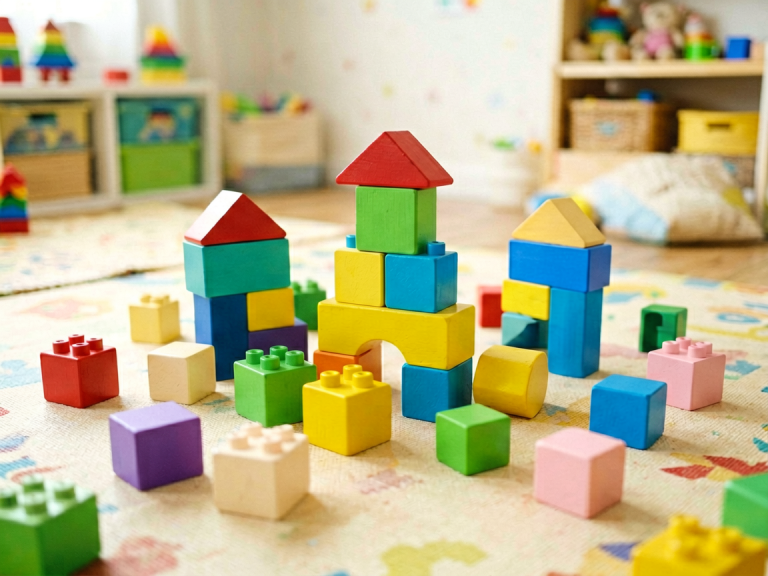
Aim for toys that offer open‑ended play. For example, a simple set of wooden blocks can be used for stacking, sorting, making patterns, and later for pretend play. A single activity center with multiple functions often outperforms ten single‑purpose toys. Look for toys that grow with your baby: rattles that become teethers, stacking cups that work in the bath, or a soft ball that encourages crawling.
✅ Resist the “Just in Case” Buying Trap
It’s tempting to buy a toy because it’s on sale or because you think your baby *might* like it in a few months. Instead, wait until your baby actually shows interest in a skill—for example, when they start reaching for objects, you can introduce a simple grasping toy. This approach saves money and prevents you from storing toys that never get used.
✅ Create a Wish List for Gift‑Givers
Family and friends will buy gifts anyway, so guide them. Politely suggest that they contribute to a college fund, buy consumables like baby wipes or diapers, or choose from a curated list of toys you’ve researched. Many grandparents love the idea of buying a high‑quality wooden puzzle instead of four plastic noisemakers.
Principle 2: Implement a Toy Rotation System
One of the most powerful strategies used by Montessori educators and minimalist parents is toy rotation. The idea is simple: instead of having all toys available all the time, you divide them into groups and swap them every week or two.
🎯 How to Set It Up
- Select a small number of toys (typically 6–10 for a baby under 12 months) and place them in a basket or on a low shelf that your baby can access independently.
- Store the remaining toys out of sight—in a closet, under the bed, or in a labeled bin. Out of sight really does mean out of mind for both you and the baby.
- Rotate every 7–10 days based on your baby’s interest. If you notice they’ve lost interest in the current set, swap out two or three items earlier.
🌟 Why It Works
Babies are naturally curious about novelty. When you present a “new” set of toys after a rotation, they engage with fresh enthusiasm. This keeps toys interesting without needing to buy more. Rotation also helps you observe which toys truly captivate your child. Those that consistently get ignored can be donated or saved for a later stage. And because only a few toys are out at any time, cleanup takes just a few minutes—a life‑saver for tired parents.
Principle 3: Create Smart Storage That Matches Your Baby’s Age
Even with fewer toys, storage is essential to maintain order. The key is to design a system that empowers your baby (as they grow) and simplifies your life.
🧺 For Babies Under 6 Months
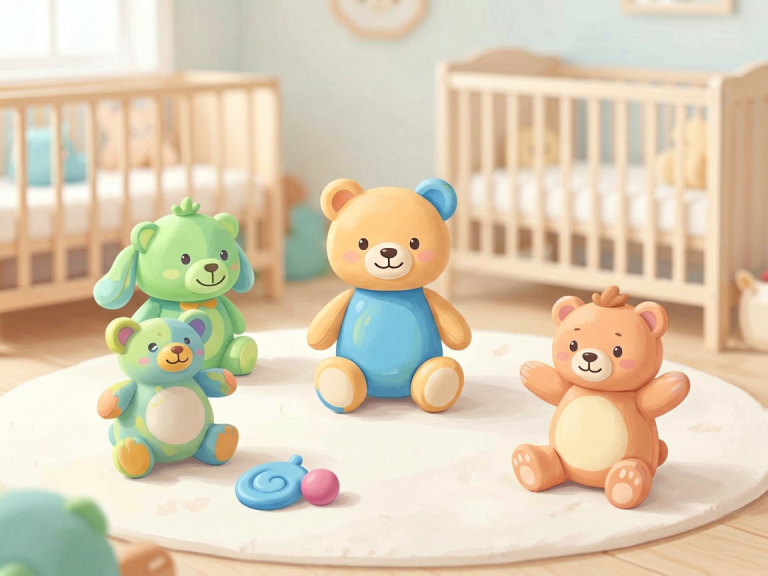
At this stage, your baby can’t move much, so storage is mainly for the parent. Use open baskets or shallow bins on the floor or a low shelf. Avoid deep toy boxes where tiny items get lost. Group toys by type: rattles in one basket, soft books in another. This makes it easy to grab a category and put it away.
🧸 For Crawlers and New Walkers (6–18 Months)
Now your baby can reach things. Low, open shelving is ideal. Place a few toys on each shelf, spaced far enough apart that your baby can see and choose one without knocking others down. Avoid over‑crowding shelves—less visual noise helps babies concentrate. Use clear, identical containers for small items like stacking rings or shape sorters. Labeling bins with pictures (for pre‑readers) can even become a learning activity later.
🚫 What to Avoid
- Difficult‑to‑open storage (lidded bins that require adult help) discourage independent play and tidy‑up later.
- Large toy chests where toys get crushed, lost, and become a hazard if the lid falls.
- Open bins with too many small pieces—stick to sets that stay together.
Principle 4: Make “One In, One Out” a Family Rule
This classic decluttering mantra works brilliantly for baby toys. Whenever a new toy enters the house, one old toy must leave. This doesn’t mean you have to throw away every gift, but it forces you to evaluate what you already own.
👪 How to Implement with Gifts
If a friend gives your baby a new rattle and you already have five, thank them warmly, then later decide which rattle your baby has outgrown or lost interest in. Donate it to a shelter or pass it to a friend with a younger baby. This keeps your collection dynamic and manageable.
🗓️ Schedule Seasonal Purges
Every three months (align with developmental milestones), go through all toys. Sort them into four piles:
- Keep (currently loved and used)
- Store (for a future stage, like a mobile for a newborn that your 9‑month‑old ignores)
- Donate (in good condition, but your baby has moved on)
- Trash (broken, missing pieces, or unsafe)
Be honest: if your baby hasn’t touched a certain toy in a month, it’s clutter.
Principle 5: Incorporate Everyday Objects into Play
One of the simplest ways to reduce toy clutter is to realize that your baby doesn’t need specialized toys for every experience. Common household items often make the best playthings.
🥄 Ideas for DIY Baby Play
- A set of plastic measuring cups and spoons (great for stacking, banging, and later pouring water)
- A wooden spoon and a metal bowl (makes satisfying noise)
- An empty tissue box filled with fabric scraps (pulling them out builds fine motor skills)
- A cardboard box large enough to crawl into (endless imagination)
- Safe, unbreakable kitchen utensils (whisks, silicone spatulas)
These items cost nothing, are easily replaceable, and often fascinate babies more than expensive plastic gadgets. Plus, they never add to permanent clutter—when your baby outgrows the fascination, you simply return them to the kitchen.
Principle 6: Set Boundaries for Family and Friends
Well‑meaning relatives can be the biggest source of toy clutter. Without being rude, you can set gentle boundaries that protect your home and your baby’s development.
💬 Sample Scripts
- *“Thank you so much! We’re trying to keep toys minimal so baby can focus better. Could you consider giving an experience gift instead—like a trip to the zoo or a children’s museum membership?”*
- *“We’re rotating toys right now. If you’d like to give a gift, please check with me first so we can avoid duplicates.”*
- *“We’d love a donation to baby’s college fund in lieu of a toy. Every little bit helps!”*
🎁 Create a “Gift Wish List” Online
Platforms like Amazon, Target, or Etsy allow you to create a public list. Send the link before birthdays and holidays. Include only items you genuinely need—this saves everyone time and prevents unwanted clutter.
Principle 7: Teach Baby to Tidy (Yes, Even a Baby!)
You might think a 12‑month‑old can’t help clean up, but you’d be surprised. Babies learn by imitation. If you model putting toys away with a cheerful song, your baby will naturally begin to copy you.
🧹 Simple Steps
- Make cleanup part of the play routine. Sing the same short song (e.g., “Clean up, clean up, everybody everywhere”) each time.
- Use a clear visual cue: “Let’s put the blocks back in the basket. Can you hand me the red one?”
- Keep the process short and positive—never force a reluctant baby. Just two or three items returned is a success.
- As your baby grows into a toddler, gradually increase expectations. By 18 months, many children can help sort toys into their designated bins.
This early habit not only reduces clutter but also fosters responsibility and a sense of order—a skill that will benefit them for years.
Conclusion: Clutter Is a Choice, Not a Fate
Avoiding toy clutter for your baby doesn’t mean living in a barren, joyless home. It means being intentional about the environment you create for your child’s brain and your own peace of mind. By embracing fewer, higher‑quality toys, rotating them regularly, creating smart storage, and setting boundaries with gift‑givers, you can maintain a calm, safe, and nurturing space. Your baby will benefit from deeper play, better concentration, and a home that feels like a sanctuary rather than a storage unit. And you—you will reclaim precious time and energy for what truly matters: snuggling, laughing, and watching your little one discover the world, one simple toy at a time.