The Playful Path: A Guide to Learning Through Play to Reduce Screen Time
Introduction
In an age where digital devices dominate every corner of our lives, parents, educators, and caregivers face an urgent challenge: how to limit the excessive screen time that is now linked to attention deficits, sleep disruption, and reduced physical activity in children. Yet simply banning screens often backfires, leading to frustration and secretive use. The solution lies not in deprivation but in substitution—replacing passive screen consumption with active, engaging experiences. This guide explores the transformative power of learning through play, a research-backed approach that naturally reduces screen dependence while fostering creativity, problem-solving, and emotional resilience. By redesigning our environments, schedules, and mindsets, we can help children (and adults) rediscover the joy of hands-on, screen-free learning.
—
The Problem: Screen Overload and Its Hidden Costs
Children today spend an average of 5 to 7 hours per day on screens—more time than they spend in school or sleeping. This overexposure has been linked to declining attention spans, poorer language development, and increased rates of anxiety and depression. But the issue isn’t just health; it’s opportunity cost. Every hour spent swiping, scrolling, or streaming is an hour not spent building a fort, negotiating a game of pretend, or mastering a physical skill. The American Academy of Pediatrics recommends no more than one hour of high-quality screen time for children aged 2 to 5, and consistent limits for older kids. Yet enforcement is difficult when screens are embedded in homework, entertainment, and social interaction.
Learning through play offers a powerful counterweight. Play is not a luxury; it is the primary engine of cognitive, social, and emotional development. When children play—whether with blocks, mud, or other children—they experiment with cause and effect, practice empathy, and develop executive functions like self-regulation and planning. These outcomes are precisely what screens undermine. By intentionally weaving play into daily life, we can reduce screen reliance without battles or guilt.
—
Understanding Learning Through Play: Why It Works
Psychologists and neuroscientists have long documented the mechanisms behind play-based learning. Self-directed play activates the prefrontal cortex, strengthening neural pathways for decision-making and impulse control. Imaginative play builds theory of mind, the ability to understand others’ perspectives. Physical play enhances motor coordination and releases endorphins that improve mood and reduce stress.
Crucially, play is intrinsically motivating. A child who chooses to build a marble run does so out of curiosity and delight, not external reward. This internal drive sustains attention far longer than a passive video ever could. When we replace screen time with play, we aren’t “taking something away”—we are offering richer engagement. The key is to provide the right materials, time, and permission for play to unfold.
—
Practical Strategies: Reducing Screen Time with Playful Learning
1. Redesigning the Home Environment for Play
The physical space sends powerful signals about what is valued. To encourage screen-free play, start by making play materials visible and accessible. Replace remote controls with a low shelf of wooden blocks, art supplies, and puzzles. Create zones: a pillow-fort corner, a water-play tray near the kitchen, a “tinker” bin with cardboard tubes, tape, and recycled containers. When toys are within reach and inviting, children naturally gravitate toward them.
Equally important is reducing the pull of screens. Designate “charging stations” for devices in a central but out-of-sight location (e.g., a basket in the hall). Establish screen-free zones like bedrooms and the dining table. If a tablet or game console is always in plain view, its allure becomes constant. By making screens less immediate and play more immediate, you shift the default choice.
2. Incorporating Unstructured Play into Daily Routines
Scheduled activities like piano lessons or soccer practice are valuable, but they are not the same as free play. Unstructured play—where children decide the rules, characters, and goals—is essential for creativity and autonomy. Aim for at least one hour of uninterrupted unstructured play each day.
Embed play into routines. While cooking dinner, give your child a bowl of measuring cups and dried beans to pour, scoop, and sort. During morning rush, turn toothbrushing into a “monster cleaning” game. After school, delay homework by 30 minutes for outdoor free play; sunlight and movement reset attention for later tasks. By weaving playful moments into transitions, you reduce the window when screens are used as pacifiers.
3. Using Educational Games and Activities Offline
Not all play is created equal. The most effective screen-reducing play is open-ended—materials that can be used in multiple ways. Consider these low-tech alternatives to screen-based entertainment:
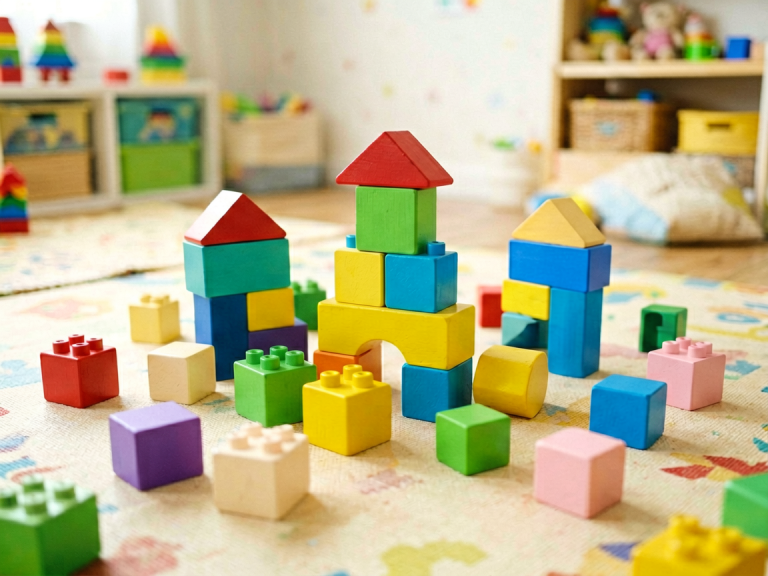
- Building and engineering: LEGOs, magnetic tiles, wooden blocks, K’Nex. These teach geometry, balance, and persistence.
- Pretend play: Costumes, puppets, play kitchens, and simple props like cardboard “spaceships.” Develops narrative skills and social cooperation.
- Nature play: Magnifying glasses, shovels, seed planting, scavenger hunts. Connects children to biology and environmental stewardship.
- Board games and card games: Classics like chess, checkers, Uno, and newer cooperative games (e.g., *Outfoxed*) teach strategy, turn-taking, and emotional regulation.
- Arts and crafts: Paint, clay, yarn, collage materials. Fine motor skills and self-expression flourish without digital filters.
Rotate toys weekly to maintain novelty. Resist the urge to “teach” during play; instead, observe and ask open-ended questions (“What happens if you put that block here?”). This preserves the child’s sense of agency.
4. The Role of Parents: Modeling and Engaging
Children imitate what they see. If a parent is constantly on a phone, the message is clear: screens are the default adult activity. To reduce screen time for children, adults must first model healthy habits. Set your own screen limits—no phones at meals, no social media during family time. When you do use a device, verbalize your purpose: “I’m using the phone to check the weather, then I will put it away.”
Better yet, join your child in play. Sitting on the floor to build a tower or playing a catch game doubles as connection and teaches that play is valued by the whole family. Research shows that when parents actively participate in pretend or physical play, children show improved language development and fewer behavioral problems. Ten minutes of focused play with a parent can reset a child’s mood and reduce the urge to retreat into a screen.
—
Overcoming Common Challenges
“But my child says play is boring.”
Boredom is often a precursor to creativity. Instead of immediately suggesting an activity, let the child sit in minor discomfort. Offer a limited choice: “You can start with the marble run or the art box—your decision.” Often, the moment of hesitation passes once a material is touched.
“We don’t have space for large toys.”
Think vertically. Use wall-mounted magnet boards, hanging pocket charts for nature treasures, or a foldable play mat that stores under the couch. Even a lap tray can become a stage for finger puppets. The quantity of toys matters less than the variety of prompt.
“Screen time is the only way I get a break.”
This is a legitimate struggle, especially for parents of young children. The goal is not to eliminate screens entirely but to shift their role. Use screens intentionally for short, high-quality content (e.g., a 20-minute documentary) while you cook dinner, and fill the rest of the day with play that builds independence. Over time, children become more self-sufficient at independent play, giving you genuine—not guilt-ridden—breaks.
—
Conclusion: A Balanced Digital Diet
Reducing screen time does not mean eliminating technology from childhood. Screens are tools for learning, creativity, and connection when used mindfully. The guide of learning through play is not about deprivation; it is about abundance—abundant movement, imagination, and authentic human interaction. By steadily replacing passive consumption with active play, we help children develop the patience, resilience, and curiosity that a screen alone cannot teach.
Start small. Choose one strategy from this guide: perhaps design a reading-nook fort this weekend, or institute a “no screen until after breakfast” rule. Watch how the shift unfolds. You may be surprised to see your child building stories with blocks, negotiating a shared game with a sibling, or asking to go outside. These are the moments that build the foundation for a lifetime of learning—and they begin when we put down the screens and pick up play.
*(Word count: approximately 1,150)*