The Screen-Free Start: A Parent’s Guide to Reducing Screen Time for Babies
In today’s hyperconnected world, screens are everywhere—from smartphones and tablets to televisions and smart speakers. For new parents, the temptation to use a glowing device as a quick pacifier or a moment of respite is understandable. Yet mounting research from pediatric organizations worldwide, including the American Academy of Pediatrics (AAP), strongly advises against any screen exposure for babies under 18 months (with the sole exception of live video chatting). Why? Because a baby’s brain is developing at an astonishing rate during these first two years, and real-world interactions—face-to-face conversations, tactile play, and unstructured exploration—are what truly build neural pathways. This guide is designed to help parents navigate the tricky terrain of reducing screen time for their babies, offering practical, evidence-based strategies that respect both the child’s developmental needs and the parent’s sanity. No judgment, no guilt—just actionable steps to create a screen-light environment that nurtures connection, curiosity, and calm.
Why It Matters: The Science Behind Screen Time Limits
Before diving into tactics, it is crucial to understand *why* this issue deserves your attention. A baby’s brain triples in weight during the first two years, forming more than one million new neural connections every second. These connections are shaped by sensory input: the sound of a parent’s voice, the feel of a textured blanket, the sight of a moving mobile, the taste of a mashed banana. Screens, however, provide a passive, two-dimensional experience that fails to engage the multisensory, responsive interactions babies need. Studies have linked excessive early screen time to language delays, reduced attention spans, poorer executive function, and even lower school readiness. Moreover, screen use disrupts sleep patterns—the blue light emitted by devices suppresses melatonin production, making it harder for babies to fall asleep and stay asleep. And there is the emotional dimension: when a parent hands a baby a phone instead of making eye contact or responding to a coo, the baby learns that a glowing rectangle is more important than human connection. Understanding these risks isn’t meant to scare you, but to empower you. Every minute you choose a book, a song, or a simple walk over a screen is an investment in your baby’s long-term cognitive, social, and emotional health.
Practical Steps to Create a Screen-Free Home
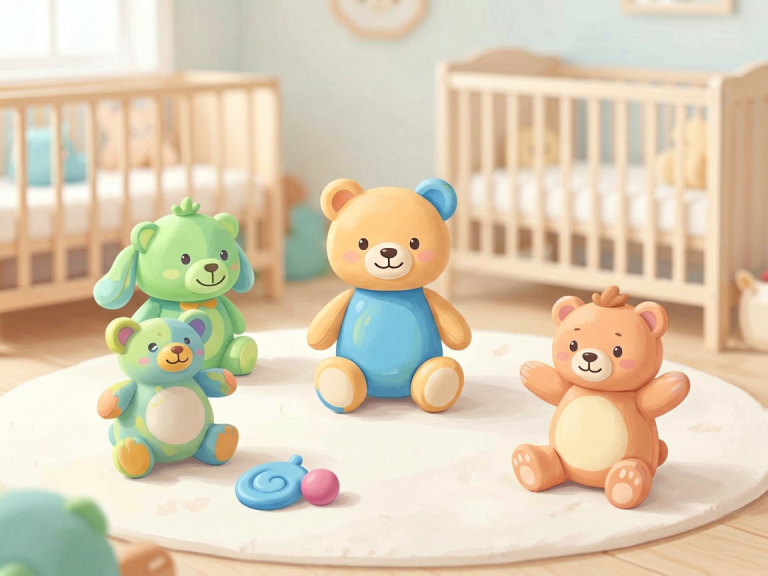
Reducing screen time for a baby often begins with the environment. Babies are curious, and what they see frequently becomes what they want. If the television is constantly on in the background, or if your smartphone is perpetually in your hand, your baby will naturally gravitate toward those sources of light and sound. Start by designating screen-free zones in your home. The nursery, the feeding area, and the play mat should be absolutely device-free. Consider moving the television out of the main living space or at least keeping it off during waking hours. Next, adopt a “phone away” rule during caregiving moments: when you are feeding, diapering, bathing, or playing with your baby, put your phone in another room or in a drawer. Not only does this prevent accidental screen exposure (your baby might snatch the device), but it also signals to your baby that your full attention is on them. Many parents find success with a physical basket or a “charging station” in a hallway where all family phones live during certain hours. Finally, be mindful of your own media consumption. If you are scrolling through social media while rocking your baby, your face is turned away, and your voice is silent. Instead, narrate what you are doing, sing a lullaby, or simply enjoy the quiet closeness. These small environmental shifts lay the foundation for a screen-light home without requiring you to become a digital recluse.
Engaging Alternatives That Foster Development
One of the biggest fears parents express is, “What will I do with my baby if I can’t use a screen?” The answer is simpler than you might think—and far more rewarding. Babies do not need elaborate toys or apps; they need your voice, your face, and opportunities to explore the physical world. Here are developmentally appropriate alternatives:
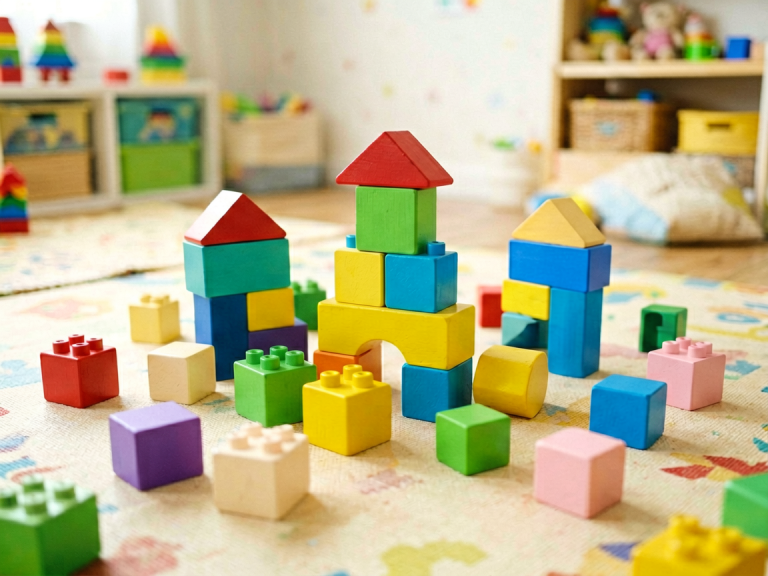
Sensory play is a powerhouse. Fill a shallow container with dry rice, oatmeal, or water and let your baby scoop, pour, and squish (supervised, of course). This builds fine motor skills and cause-and-effect understanding. Tummy time can be made more engaging with a mirror propped nearby—babies love looking at their own reflections. Reading is non-negotiable: board books with high-contrast patterns for newborns, textured touch-and-feel books for older babies, and simple stories with repetitive phrases. Even if your baby tries to chew the book, the interaction—hearing your voice, turning pages together—is priceless. Music offers another screen-free joy: sing nursery rhymes, play a shaker egg, or clap hands to a beat. Outdoor time is perhaps the most underutilized tool. A blanket on the grass, a gentle breeze, watching leaves move—these experiences stimulate babies’ senses in ways no video can replicate. For older babies (around 9–12 months), try simple puzzles, stacking cups, or a basket of safe household items like wooden spoons and silicone spatulas. And do not underestimate the power of household chores with your baby: wear your baby in a carrier while you fold laundry, talk about the colors, let them touch a soft towel. Every mundane moment can become a learning opportunity. The key is to shift your mindset from “entertaining” your baby to “engaging” with your baby. You are not a performer; you are a companion in discovery.
Building a Supportive Routine
Babies thrive on predictability, and a consistent daily rhythm naturally curbs the impulse to reach for a screen. When you know that after breakfast comes a walk, then tummy time, then a nap, you are less likely to think, “I’ll just put on a cartoon for ten minutes while I clean up.” Design a rough schedule that prioritizes connection and movement. For example: wake-up (nurse/bottle, diaper change), morning play (tummy time, reading, singing), mid-morning nap, outdoor time or sensory activity, lunch, afternoon nap, then a calm activity like listening to soft music or exploring a toy. The “witching hour” late afternoon is often when parents feel most tempted to use screens because babies are fussy and tired. Instead, try a warm bath, a baby massage, or a “dance party” where you hold your baby and sway to slow songs. These rituals not only reduce screen reliance but also strengthen the parent-child bond. Additionally, build in “transition warnings” for older babies: before moving from play to diaper change, give a verbal cue like, “In one minute, we’ll go change your diaper.” This helps babies feel in control and reduces resistance, which in turn lowers the temptation to use a screen as a distraction. Remember, a routine doesn’t have to be rigid—flexibility is fine—but having a mental roadmap makes you less likely to default to screens when you feel overwhelmed.
When Screens Are Unavoidable: Strategies for Mindful Use
Despite your best intentions, there will be moments when a screen seems necessary—a long car ride, a pediatrician’s waiting room, or a sick day when you are running on empty. The goal is not perfection but intention. First, adhere to the AAP’s recommendation: for babies under 18 months, avoid all screen media except live video chats (with grandparents, for instance). If you absolutely must use a screen for a few minutes (say, during a medical emergency or while you are the sole caregiver and need to prepare a meal), choose high-quality, slow-paced content like a nature documentary or a video of real people doing simple activities. Avoid fast-paced, flashy cartoons that overstimulate babies and reinforce short attention spans. Always watch *with* your baby: narrate what you see, point to objects, ask questions (“Look at that elephant! What does the elephant say?”). This turns passive viewing into an interactive experience. Second, be honest with yourself about necessity. Is the screen helping *your baby* or is it helping *you* escape a difficult moment? If it is the latter, try to find a three-minute alternative: put your baby in a safe highchair with a silicone spoon to bang, or set a timer and take a deep breath. And finally, no guilt. If you used a screen yesterday, you can choose differently today. Parenting is a marathon, not a sprint, and the aggregate of your choices—not a single slip—determines your baby’s exposure. Be gentle with yourself, reset, and keep moving forward.
Handling Social Pressure and Family Dynamics
One of the most challenging aspects of reducing screen time for a baby is managing the expectations of other people—grandparents, babysitters, friends, or even your partner. You might hear comments like, “Oh, just let them watch, it’s fine,” or “I used to sit my kids in front of the TV and they turned out okay.” It is important to stand firm but kind. Educate your extended family about the developmental reasons behind your choices. Share a simple fact: “The pediatrician said that screens before 18 months can delay language development, so we’re trying to avoid them.” You can also offer alternatives: instead of handing your baby a tablet, ask grandma to read a book, go for a walk, or play peek-a-boo. If you are a co-parent, have a private conversation with your partner to ensure you are on the same page. Make a shared plan for those moments when one of you is exhausted and the other is not home: perhaps a “screen time emergency” list of five non-screen activities (e.g., look at a mirror, shake a rattle, sing a song). Consistency is key, and a united front helps prevent confusion for the baby and resentment between adults. Remember that grandparents often default to screens because they want to bond but don’t know what else to do—gently guide them, and they will likely embrace the new approach once they see how your baby responds to real interaction.
Conclusion: Investing in the Long Game
Reducing screen time for your baby is not about deprivation or fear-mongering; it is about choosing richness over noise. Every moment you spend singing a nonsensical song, blowing raspberries on your baby’s belly, or simply gazing into their eyes is building a foundation for language, emotional security, and curiosity. The screen will always be there—your baby will have plenty of time to become a digital native later. But these early months and years are a once-in-a-lifetime window where real-world, responsive interactions are the only curriculum your baby needs. Some days you will succeed brilliantly; other days you will collapse on the couch with a streaming show while your baby plays at your feet. That is okay. What matters is the overall trajectory, not the occasional detour. You are not just “reducing screen time”; you are intentionally crafting a childhood filled with touch, sound, movement, and love. And that is the greatest guide a parent can follow.